Isohelix Sample Collection: Research highlights from 2023

2023 was a busy year for Isohelix and our customers. In this blog, we present examples of how studies reported in peer-reviewed publications used Isohelix products to solve their sampling challenges.

We’ve highlighted four studies where Isohelix technologies were used to make groundbreaking discoveries in the world of biomedical research. In each of these studies, Isohelix sample collection products were used to collect DNA samples which were then analyzed using highly sensitive genetic analyses such as single nucleotide polymorphism (SNP) genotyping, genome wide association studies (GWAS), and next generation sequencing (NGS) analyses.

  1. GeneFix Saliva Collection Devices are used to collect samples for a large population-based study in Australia
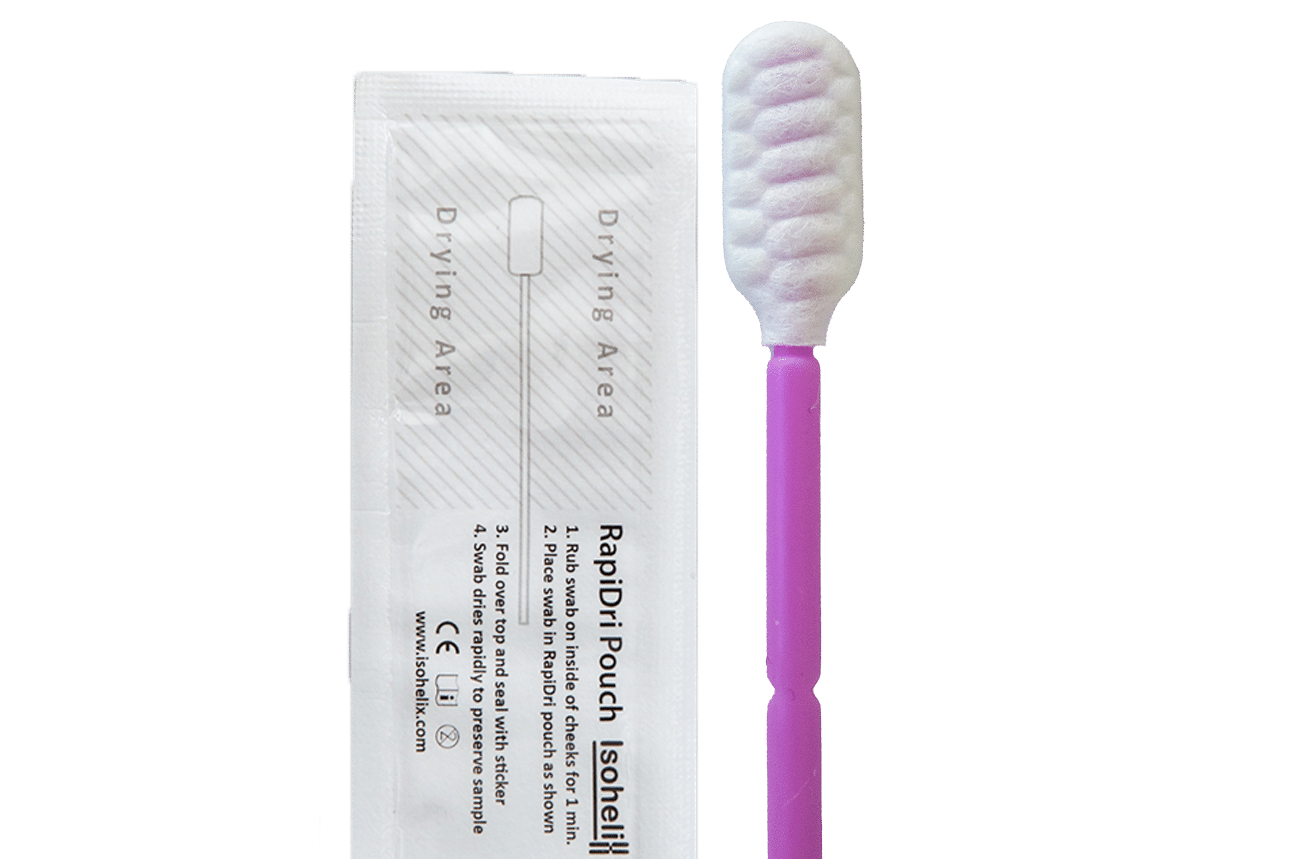
  2. The Hong Kong Genome Project uses GeneFix Saliva Collection Devices to collect saliva samples and the  RapiDri Pouch kit for buccal swabs.
  3. Isohelix saliva collection kits are used to collect saliva from a large cohort of children in the USA
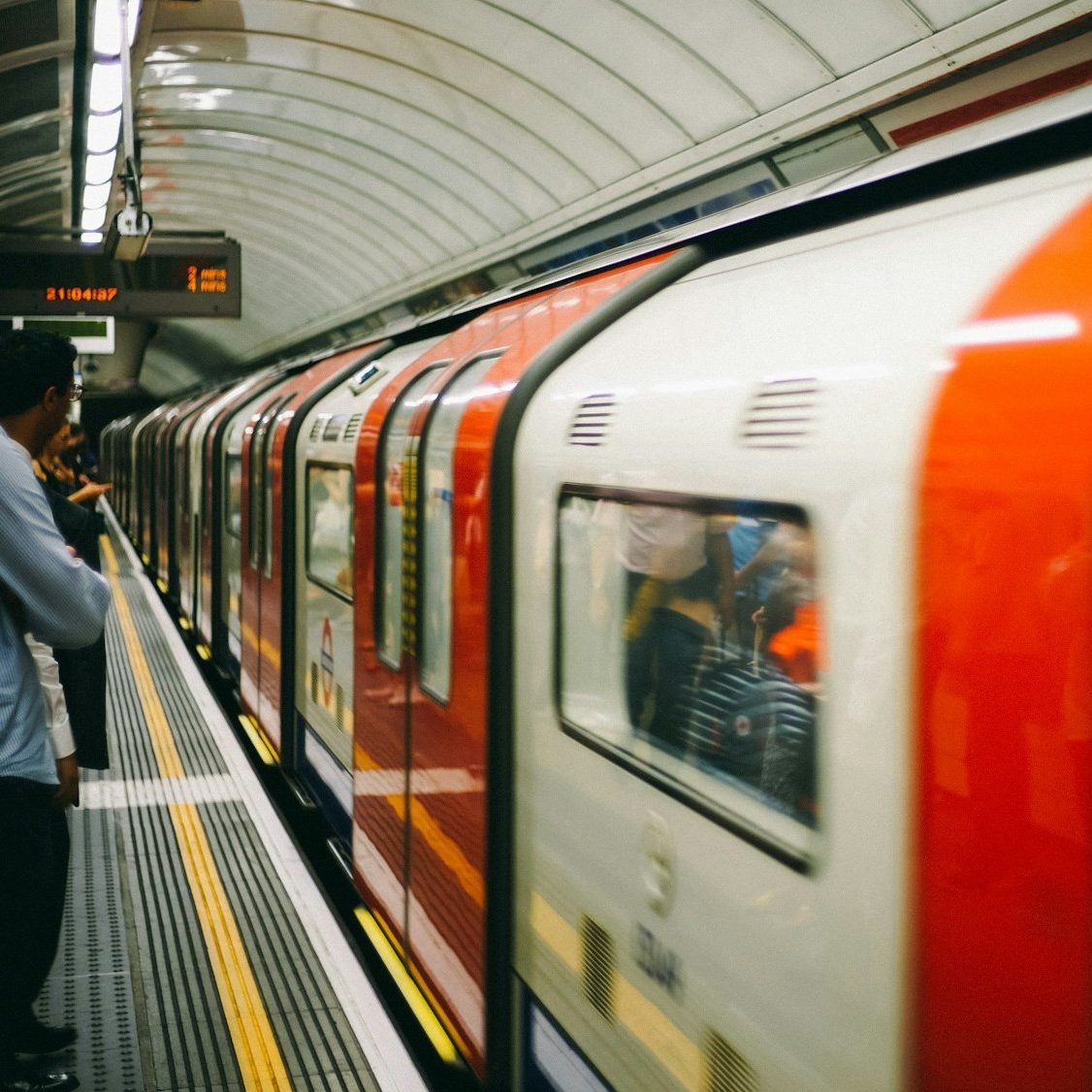
  4. Isohelix Buccal Swabs are used to swab surfaces to collect DNA from bacterial communities in subway facilities

STUDY 1 : Preliminary results from the Australian Genetics of Bipolar Disorder Study: A nation-wide cohort[i]

The Australian Genetics of Bipolar Disorder (BD) Study investigates a nation-wide cohort of adults living with bipolar disorder. The study aims to identify genetic risk factors influencing BD, medication treatment response, and adverse drug reactions (ADRs). Key goals are to characterize the patterns and costs of healthcare usage in BD and to examine the relationship between genetic risk and symptom severity. This article describes the study design and sample characteristics and summarises data collected on BD symptoms, psychiatric comorbidities, and medication use. 

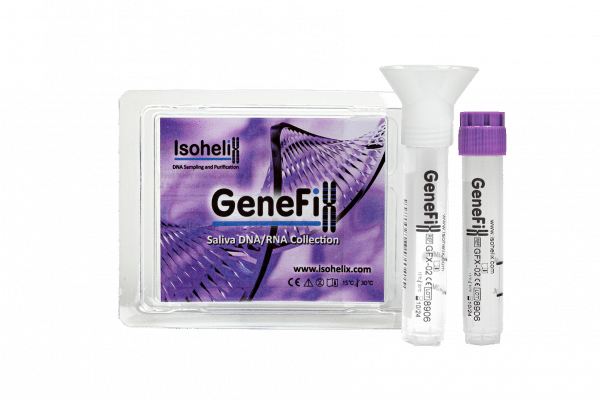
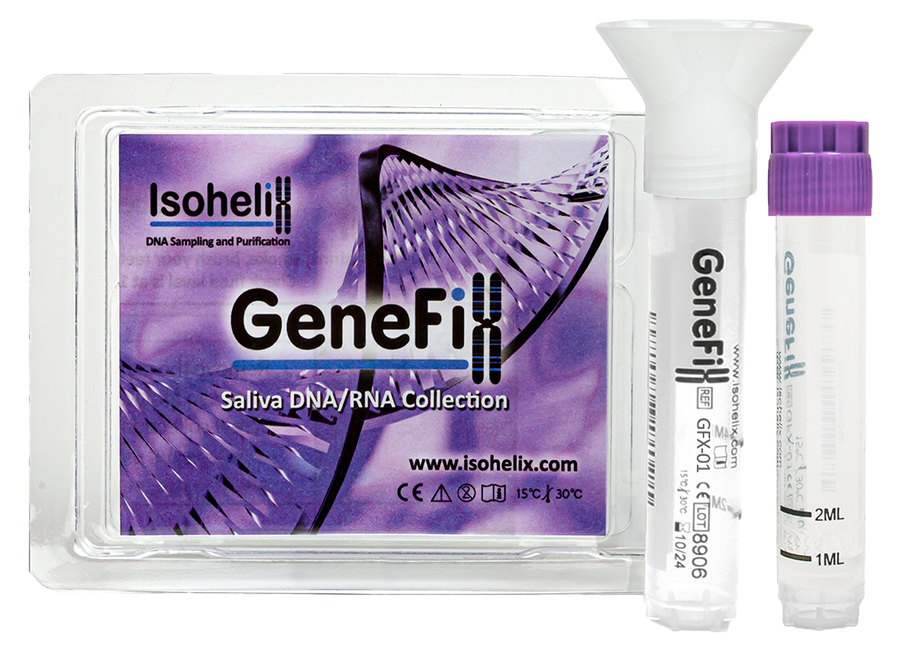
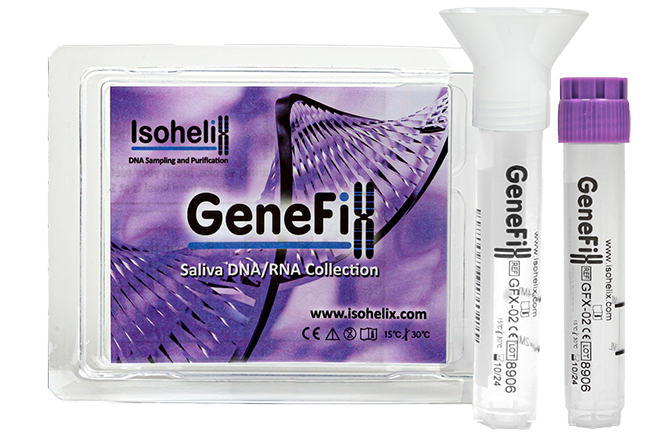
A significant strength of the study is its sample size; it’s the largest population-based study of adults living with BD in Australia. Study participants are based throughout Australia, with many living in rural or remote communities. Saliva samples are collected using Isohelix GeneFixGFX-02 2 mL Saliva Collection Devices which stabilize DNA and RNA at room temperature for up to 60 months,  then mailed to QIMR Berghofer via prepaid Australia Post. Following DNA extraction, genotyping is conducted using the Illumina Global Screening Array V.2.0.

GFX-02

The study demonstrates that Australians with BD are motivated to participate in genetically focused research studies if given the opportunity and provided with simple and effective sample donation protocols. GeneFix Saliva Collectors are ideal for this type of project as their reagents are non-toxic, and the collectors are easy to use as they have a unique funnel design that prevents buffer spillages or flow-back.

The results highlight the high rate of comorbidities and adverse drug reactions among adults living with bipolar disorder in the general Australian population and pave the way for future genomic analyses to identify genetic variants influencing pharmacotherapy treatment response and side effects.

STUDY 2 : The Hong Kong genome project: building genome sequencing capacity and capability for advancing genomic science in Hong Kong[ii]

The Hong Kong Genome Project (HKGP) is the first large-scale genome sequencing (GS) project in the Hong Kong Special Administrative Region. The project aims to sequence 45,000-50,000 genomes in five years, providing participants with diagnoses and personalized treatments and driving the application and integration of genomic medicine into routine clinical care.

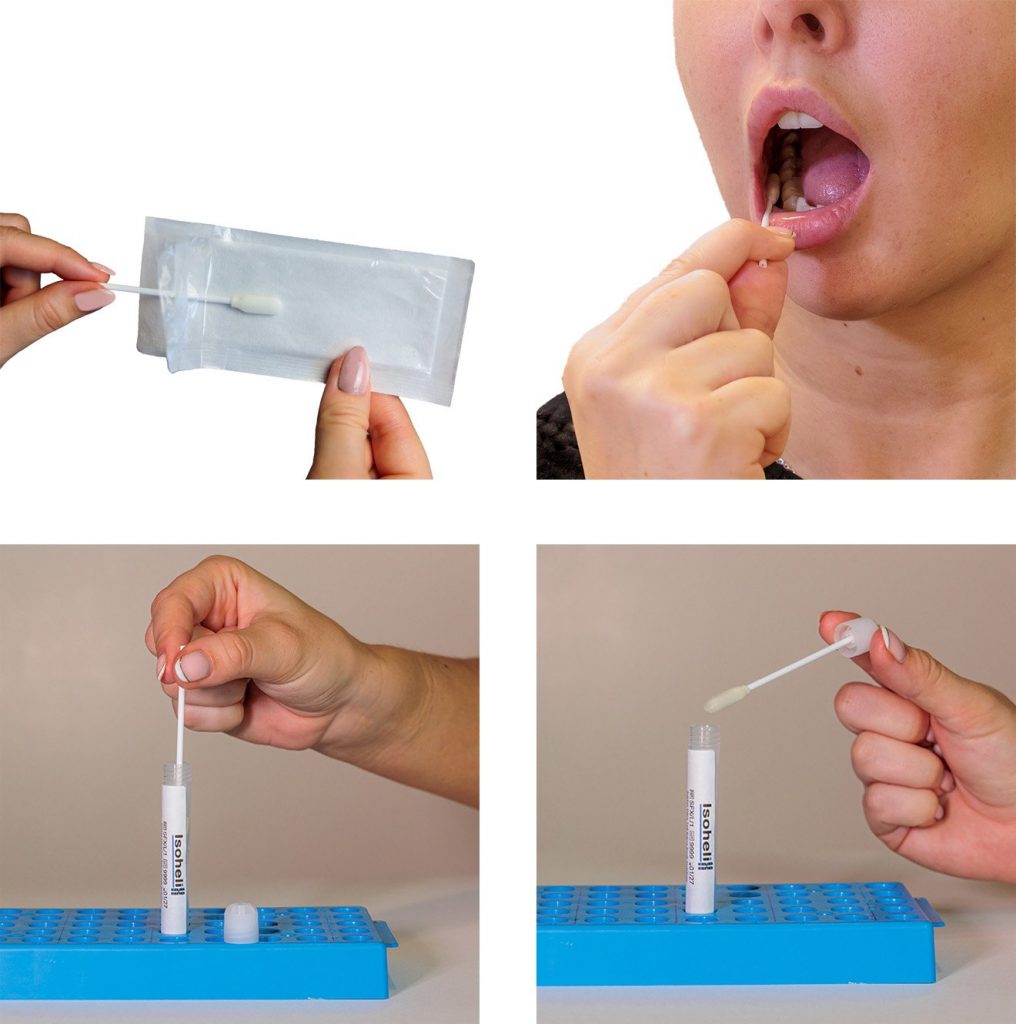
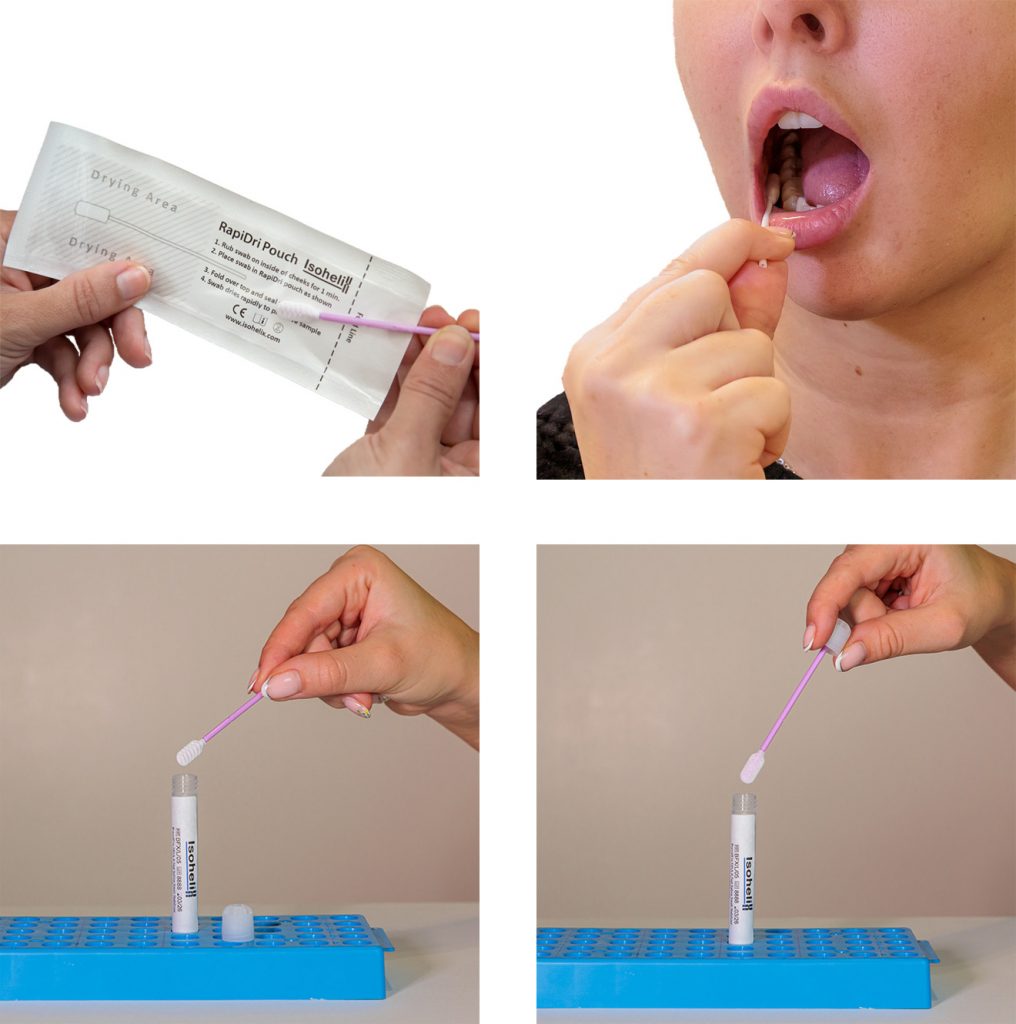
For each participant, 6 mL of blood is obtained and stored in two 3-mL EDTA-containing anticoagulation tubes. For buccal swabs, the RapiDri Pouch kit is used to collect cells from inside the cheek, and saliva samples are collected using the GeneFix Saliva DNA Collection and Stabilization Kit. DNA from saliva samples has been shown to be comparable to DNA from blood in many downstream applications[iii] and DNA from saliva samples collected using GeneFix kits is stable at room temperature for over five years, avoiding the high cost and logistical challenges of cold chain transport.

RapiDri Swab

This paper describes the establishment of a robust genome sequencing workflow for the project. The laboratory analyses approximately 350-500 samples per week. During the first 24 months of the project, 12,937 participants and their family members were recruited, and the laboratory has been adapted to facilitate the latest technologies, e.g., long read sequencing and multi-omics.

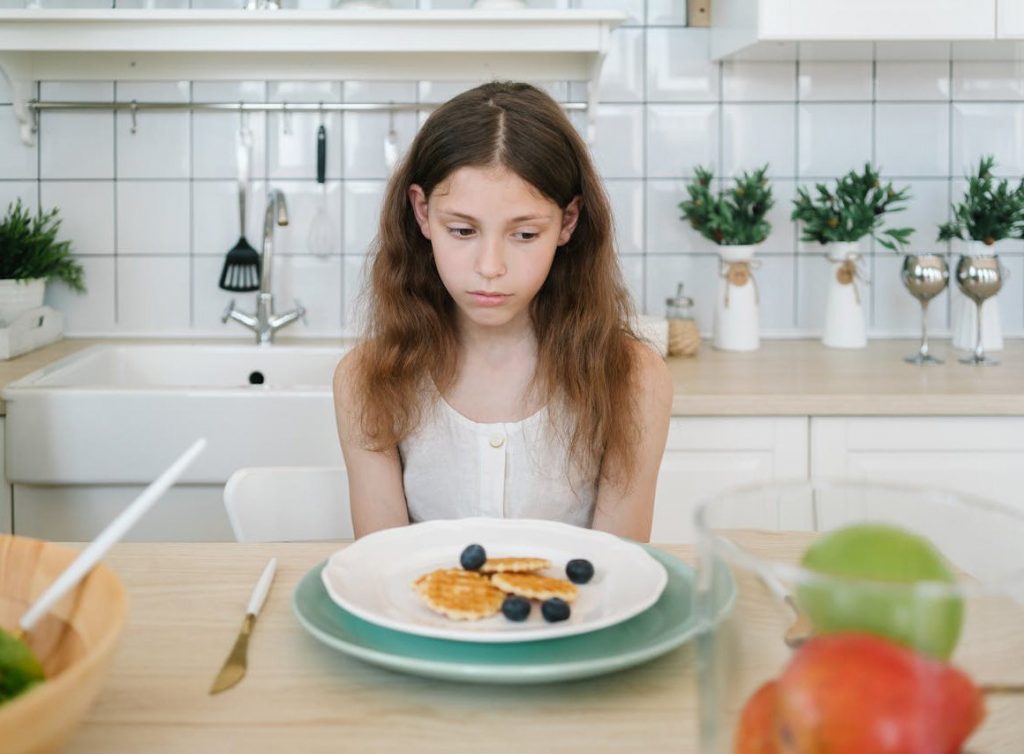
STUDY 3 : Avoidant Restrictive Food Intake Disorder Genes and Environment (ARFID-GEN): study protocol[iv]

This paper describes the Avoidant Restrictive Food Intake Disorder – Genes and Environment study (ARFID-GEN), which is designed to expand the discovery of genetic and environmental contributions to ARFID risk. The goal of the study is to deliver actionable findings that can be transformed into clinically meaningful insights. This will be achieved by advancing the understanding of the genetic architecture of ARFID relative to other eating disorders and other psychiatric, neurodevelopmental, and metabolic disorders and traits.

3,000 children and adults with ARFID from the United States are included in the study. Efficient online phenotyping of children and adults with ARFID including environmental exposures is combined with at-home saliva sampling, and samples are genotyped to analyze single nucleotide polymorphism (SNP) – based heritability, genome wide association studies, genetic correlations (rgs), and copy number variations (CNVs).

SK-2S

Eligible children are asked to complete a questionnaire on their symptoms and provide a saliva sample using Isohelix saliva collection kits, which are non-toxic and easy for children to use at home as they have a unique funnel design that prevents buffer spillages or flow-back. The kits are provided with return packaging for mailing to the lab for analysis.

The aim is to identify genome-wide significant loci for ARFID, informative rgs, implicated CNVs, and environmental precipitants. Ultimately, the work will hopefully yield information on critical biological pathways that may point toward drug discovery or repurposing that could aid in reversing the tenacity and lethality of these illnesses.

STUDY 4 : Investigation of Surface Bacterial Diversities and Compositions in the Global Subway Facilities[v]

This study explored surface bacterial communities in four global subway facilities using 16S rRNA gene amplicon sequencing of DNA extracted from swabs.

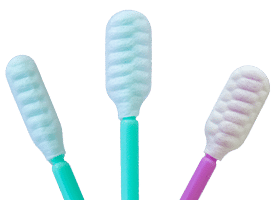
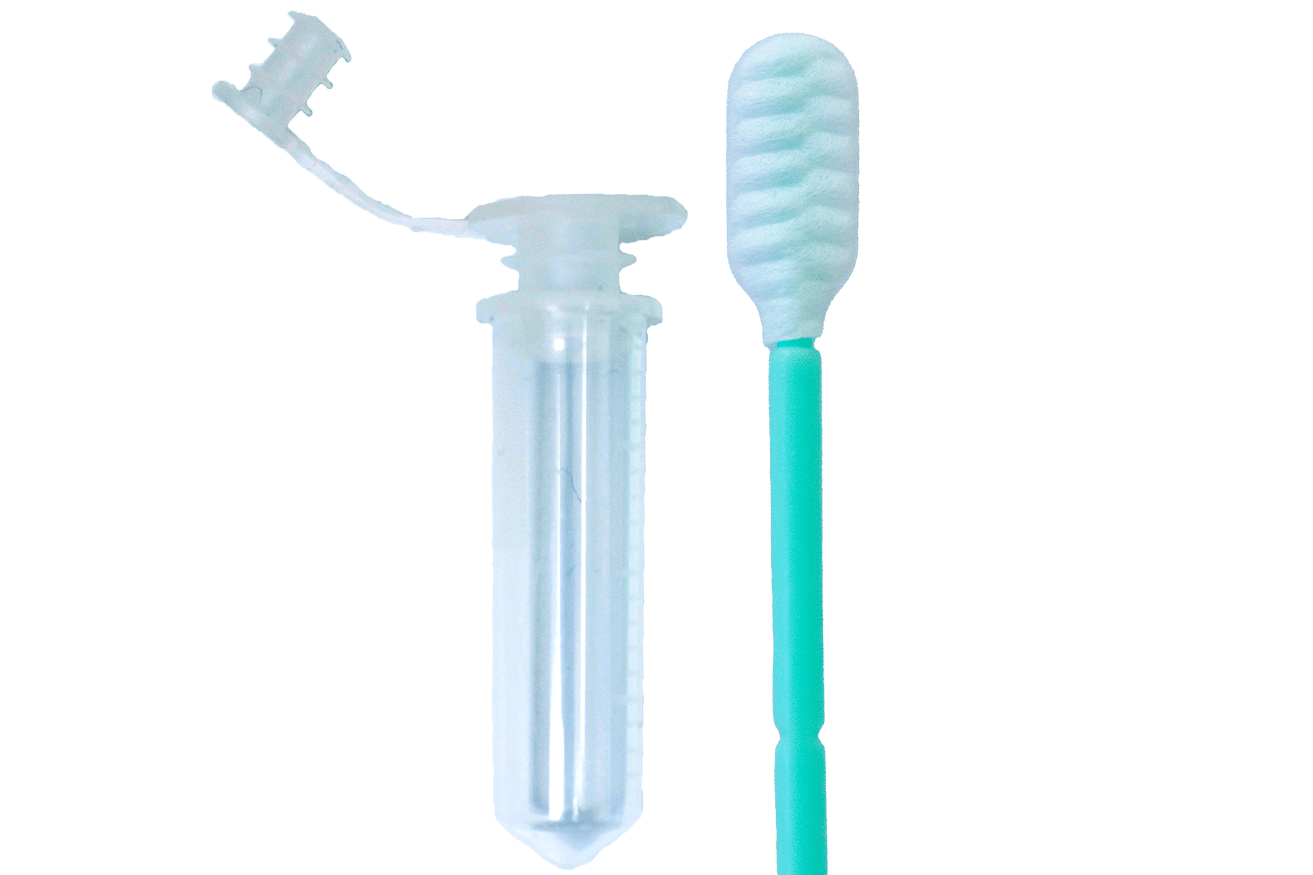
Isohelix Buccal swabs can be used to collect surface DNA from environmental sources as well as from buccal samples. Indoor surface samples for Busan City were collected twice per site using Isohelix DNA/RNA buccal swabs (SK-2S, Isohelix) moistened with sterile 1 mL of phosphate-buffered saline. Samples were collected for 3 min from each site in a 100 cm2 area as recommended in a previous study[vi]. The microbiome was analysed based on the 16S rRNA gene.

SK-2S

Samples collected in Korea were analysed alongside comparable samples obtained from previous studies in Boston[vii], Moscow[viii], and Mexico City[ix].

The study showed that the surface bacterial diversities and taxonomic profiling of the studied subway station surface environments were similar. Most of the predominant phylotypes were Gram-positive microorganisms that probably originated from human and outdoor sources.

Summary

The above studies are just a few of the projects that have used Isohelix sample collection and stabilization products to collect samples from research study participants or the environment, for genomic analysis.


CLICK HERE TO READ MORE PUBLICATIONS FEATURING ISOHELIX PRODUCTS

Tell us about how Isohelix products helped your study by emailing us at info@isohelix.com!

References

[i] Lind, Penelope A., et al. “Preliminary results from the Australian Genetics of Bipolar Disorder Study: A nation-wide cohort.” Australian & New Zealand Journal of Psychiatry 57.11 (2023): 1428-1442. https://journals.sagepub.com/doi/epub/10.1177/00048674231195571

[ii] Chu, Annie TW, et al. “The Hong Kong genome project: building genome sequencing capacity and capability for advancing genomic science in Hong Kong.”  J Transl Genet Genom 2023;7:196-212 https://www.oaepublish.com/articles/jtgg.2023.22

[iii] “New Saliva-Prep2 Isolates High Purity Genomic DNA using GeneFixTM Collectors”, Isoghelix Application Note GSPN: January 2019

[iv] Bulik, Cynthia M., et al. “ARFID Genes and Environment (ARFID-GEN): study protocol.” BMC psychiatry 23.1 (2023): 863. https://bmcpsychiatry.biomedcentral.com/articles/10.1186/s12888-023-05266-x

[v] Kim J, Bae S, Park S, Shukla SK, Yoo K. Investigation of Surface Bacterial Diversities and Compositions in the Global Subway Facilities. Atmosphere. 2023; 14(1):140. https://doi.org/10.3390/atmos14010140

[vi] Jansson, L.; Akel, Y.; Eriksson, R.; Lavander, M.; Hedman, J. Impact of swab material on microbial surface sampling. J. Microbiol. Methods 2020

[vii] Hsu, T.; Joice, R.; Vallarino, J.; Abu-Ali, G.; Hartmann, E.M.; Shafquat, A.; DuLong, C.; Baranowski, C.; Gevers, D.; Green, J.L. Urban transit system microbial communities differ by surface type and interaction with humans and the environment. Msystems 2016, 1, e00018-16

[viii] Klimenko, N.S.; Tyakht, A.V.; Toshchakov, S.V.; Shevchenko, M.A.; Korzhenkov, A.A.; Afshinnekoo, E.; Mason, C.E.; Alexeev, D.G. Co-occurrence patterns of bacteria within microbiome of Moscow subway. Comput. Struct. Biotechnol. J. 2020, 18, 314–322

[ix] Hernández, A.M.; Vargas-Robles, D.; Alcaraz, L.D.; Peimbert, M. Station and train surface microbiomes of Mexico City’s metro (subway/underground). Sci. Rep. 2020, 10, 8798

Isohelix launches the SaliFix™ Saliva Swab DNA Collection Kit

Increasing numbers of saliva samples are being collected remotely from study participants for use in genetic testing, so the need for safe, simple and easy to use sample collection, stabilization and transportation is growing rapidly.

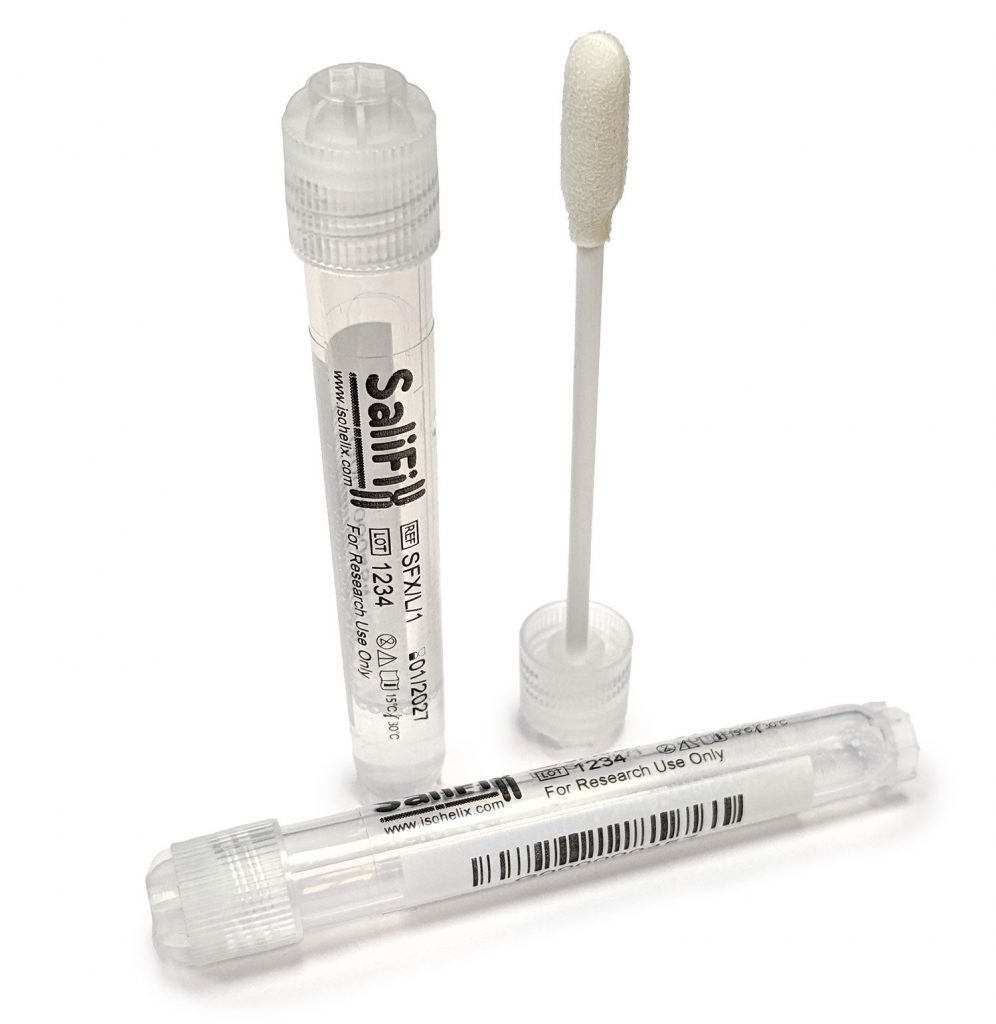
Studies have shown that DNA samples from swabs can degrade rapidly without the correct stabilization. SaliFix™ Collectors contain 1ml of preservation reagent that is designed to maintains DNA integrity and yields whilst preventing bacterial growth long term, yet provides easy and easy device for Saliva DNA collection, stabilization, and transport.

SaliFix™ Collectors are specifically designed for collecting Saliva samples in various environment including at home, in clinic or remotely. The foam swabs effectively maximizes saliva collection, even from donors who may find it difficult to produce saliva.

The SaliFix™ kit also includes the SwabCatcher format for improved Sample Handling

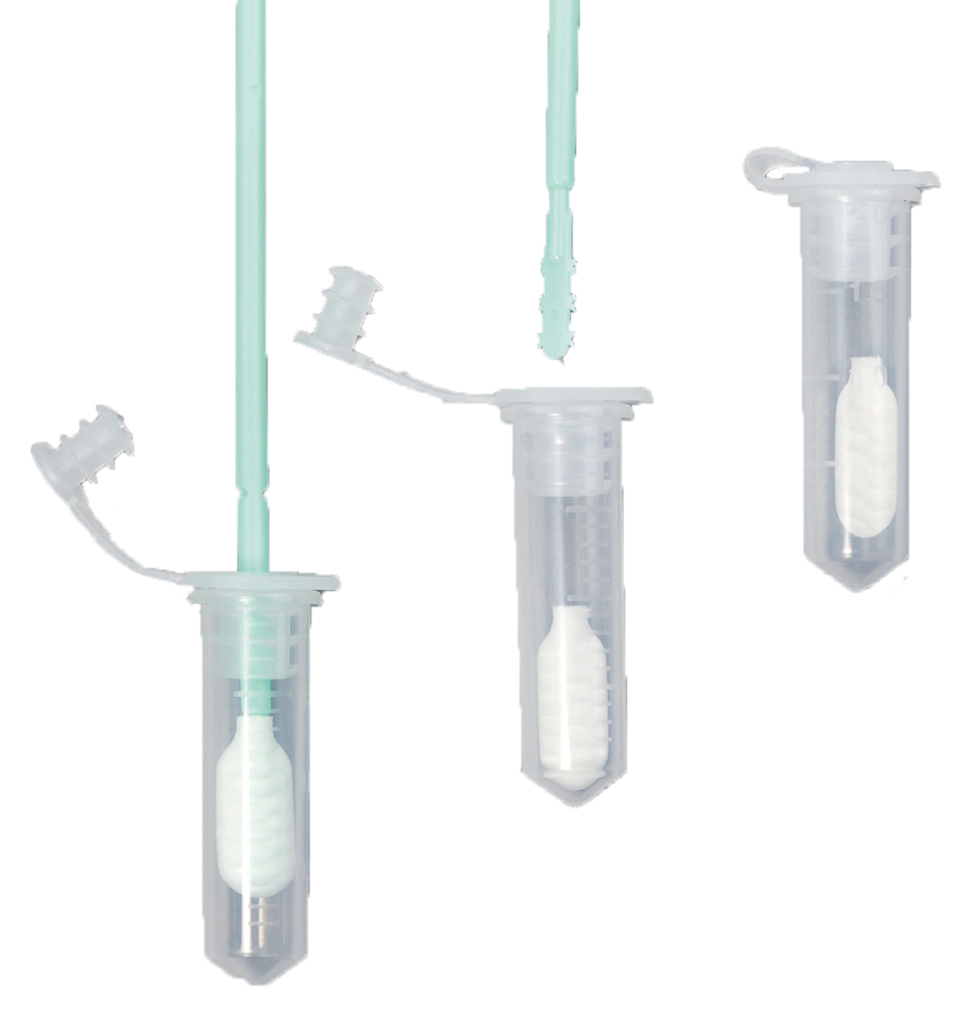
The NEW SwabCatcher tube simplifies sample processing and cuts down on cross-contamination as the cap holds the swab tightly after screwing the cap onto the tube. This removed the tedious process choice of having to cut the swab tip and or manually using tweezers to remove the swab prior to processing. This makes the tube ideal for high-throughput processing using automated instruments, and further the tubes are barcoded for easy sample tracking.

SwabCatcher tubes are leakproof and fully transport tested to 95kPa to allow mailing and storage, and the reagents are non-hazardous.

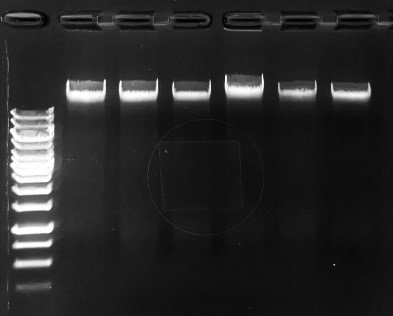
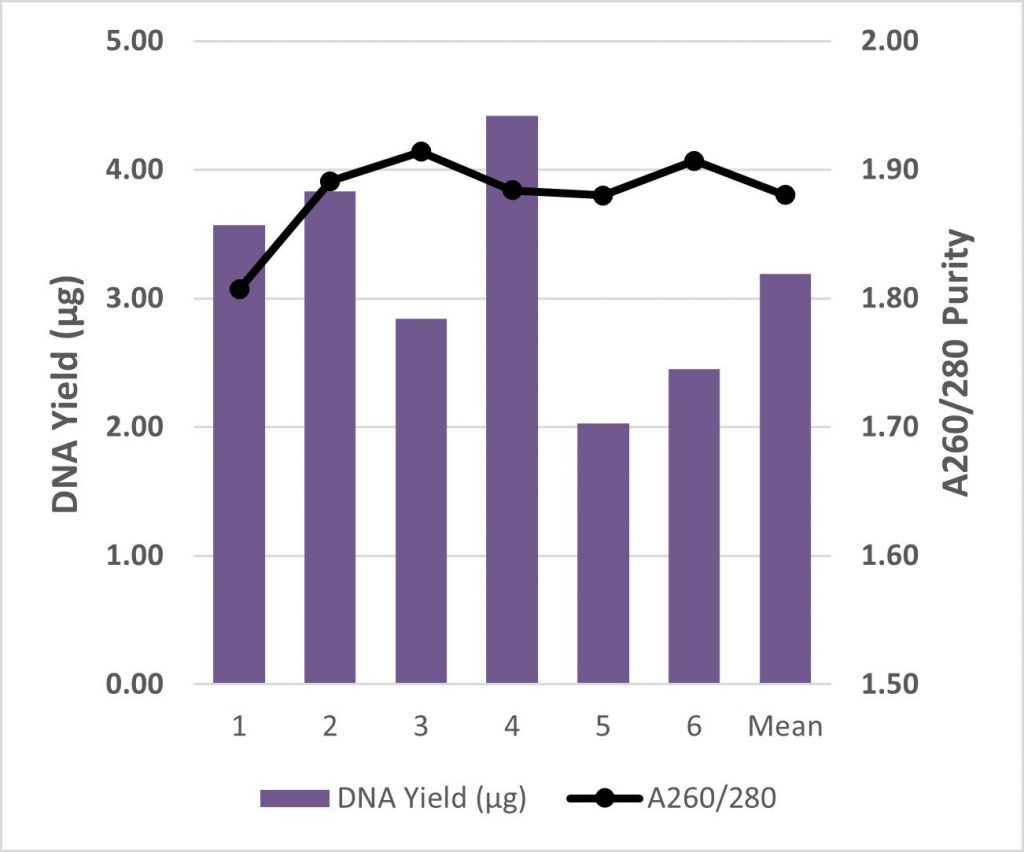
Agarose gel analyzed by electrophoresis. Saliva DNA isolated from SaliFixTM collection devices using the Isohelix Saliva-Prep-2 kit (GSPN-50), shows high quality DNA with no degradation.

DNA collected using SaliFix™ collectors is of high yield and purity, and suitable for all downstream analyses.

Saliva Swab DNA Collection Kit

  • All-in-one saliva DNA collection, stabilization, and transport device.
  • Uses the NEW Swab-Catcher for easy handling and automated-processing.
  • Simple collection at home, in clinic. a viable alternative to blood collection.
  • Instant stabilization maximises DNA yields allowing RT shipping and storage in a non-hazardous format.
  • Optimized for extraction using Isohelix DNA extraction and other kits.

Product Information

SFX/LS/1/50   SaliFix™ saliva collection tubes prefilled with 1ml SaliFix™ buffer and individually wrapped, foam saliva swabs.

Pack of 50 devices

Isohelix launches the ‘SwabCatcher’ Swab DNA/RNA Collection Kit

NEW SwabCatcher tubes are used alongside RapiDri DNA and RNA Swab Kits designed to simplify the swabs transition through sample processing. The Tubes are also available pre-filled with BuccaLyse DNA and RNA stabilization buffer for room temperature shipping.

  • No more Swab retrieval issues
  • Automation, HT and Manual compatible
  • Barcoded for traceability
  • CE-IVD Certified
  • Fully transport tested to 95kPa

Product Information

SwabCapture             L/00/50                        50 x SwabCatcher 5ml collection tubes and caps(empty)

RapiDri                        RD-01                                200 x RapiDri swabs SwabCatcher with drying pouch

BuccaLyse                  BEK/L/05/50                50 x BuccaLyse SwabCatcher collection tubes pre-filled with 0.5ml buffer

BuccalFix                    BFX/L/05/50                50 x BuccalFix SwabCatcher collection tubes pre-filled with 0.5ml buffer

At Isohelix we use our extensive knowledge in product design, regulatory, safety & commercial markets to design products that make it easy for our customers to collect high quality nucleic acid samples from saliva, buccal cells, and stool samples.

Microbiome and it’s Role in Sake Brewing

A recent preprint study (A dark matter in sake brewing: Origin of microbes producing a Kimoto-style fermentation starter,Kohei Ito et alusing Isohelix SK-3S Buccal Swabs and Isohelix BuccalFix Stabilization Buffer has investigated how microbes present in the environment influenced and contributed to the brewing process of the Japanese alcoholic drink, sake.

Microbe Managing

Sake brewing is an inherently microbial-driven process, and requires careful management in order to encourage the proliferation of microbes that contribute to the process while minimising the influence of microbes that may cause spoilage.

On the Surface

Using Isohelix SK-3S Buccal Swabs and BuccalFix DNA Stabilization Buffer, the study collected surface samples from various locations within the brewery, such as floors, brewing materials, and brewing equipment. DNA from the samples were extracted and underwent microbiome analysis using 16S gene sequencing.

Full of Flavour

The study found that microbes present in raw materials and brewing equipment both contributed to the microbial profile of the brewing starter culture used for fermentation. Beneficial microbes from the environment, such as lactic acid bacteria, help to control the brewing process, preventing the growth of undesirable microbes while in turn contributing to the flavour profile of the final product. This study also demonstrates the suitability and efficacy of Isohelix’s swab and stabilization products for use in environmental microbiome investigations.

Want to find out more?

Read the full article here:

Featured Products

Isohelix SK-3S Buccal Swab

SK-3S Is An Easy To Use Buccal Swab That Feature Our Unique Swab Matrix

Isohelix BuccalFix Stabilization Tubes

BuccalFix Fully Stabilizes the Structure & Integrity of DNA for Further Downstream Applications

Isohelix Files US FDA 510k Pre-Submission for GeneFix Saliva Collectors

Isohelix is pleased to announce that it has commenced engagement with the U.S. Food and Drug Administration (FDA) to progress the full regulatory approval of the GeneFix® Saliva DNA Collectors into the USA for their use in molecular and genetic diagnostics.

Featured Products

GeneFix Saliva Collectors

The GFX DNA/RNA Saliva Collectors are easy to use, high quality devices for the collection and stabilization of saliva samples.

Wine Tasting & Microbial Diversity

A study using Isohelix SK-2S Buccal Swabs has discovered that wine tasting has a washing effect on the tongue which causes lower microbiome diversity in professional wine tasters. This also affects how people taste, explaining why people can drink the same bottle of wine and perceive different flavours!

Washing Effect

Using the Isohelix SK-2S Buccal Swabs, the study collected DNA samples from the tongues of both professional wine tasters & non-professionals to compare the microbiome profiles between the two groups. They found that samples collected after wine tasting sessions had a lower microbial diversity than those taken prior to the tasting event. Therefore the study concluded that wine tasting sessions have a washing effect on the tongue, directly affecting microbiome diversity.

Sparkling Wine

As well as discovering the washing effect that wine has on the microbial diversity on the tongue, the study also discovered that this effect is increased when tasting sparkling wines! The comparison of bacterial diversity between samples collected before and after wine tasting, along with the presence of new bacterial taxa, indicated the direct effect of wine on the microbiome of frequent wine tasters, particularly in those tasting sparkling wines.

Putting Taste to the Test

In addition, results from an accompanying questionnaire found that having a long career in wine tasting effected taste perception compared to non-wine tasters, particularly in bitter or acidic food & drink. Results from these data suggest that changes in the microbial profile of the tongue have an effect on how we taste, giving some explanation as to why people can drink the same bottle of wine and perceive different flavours!

Want to find out more?

Read the full article here:

Click here

Featured Products

Isohelix SK-2S Buccal Swab

SK-2S Is An Easy To Use Buccal Swab That Includes a Special 2ml Tube For Swab Head Storage