Real-World Applications: How Scientists Are Using Isohelix Products to understand Mental Health

Conditions such as depression, anxiety, post-traumatic stress disorder (PTSD), and attention-deficit/hyperactivity disorder (ADHD) affect millions worldwide.

In recent years, genomic analysis has emerged as a powerful tool for understanding mental health. By examining genetic variations, epigenetic changes, and gene–environment interactions, researchers are uncovering how biology contributes to vulnerability, resilience, and treatment response.

The key to good genomics research is good sample collection. Non-invasive DNA collection methods, such as saliva and buccal swabs, make it possible to collect samples from a wide range of subjects, and integrate large-scale genomic data with psychological and clinical measures.

Isohelix sample collection, stabilization and extraction products have been adopted worldwide because of their ease of use, high-quality DNA yield, and suitability for large-scale studies. In this blog, we showcase how Isohelix technology is supporting breakthrough findings across four recent studies in psychiatry, genetics, and child development.

Read on to see how these interesting studies used Isohelix products to collect and process DNA samples that were used for a range of different analyses including microarray genotyping, next generation sequencing, methylation analysis, and PCR.

1. “The role of environmental sensitivity in the mental health of Syrian refugee children: a multi-level analysis.”

May, Andrew K., et al. “ Molecular Psychiatry (2024): 1-10. 

For this study, saliva samples were collected using Isohelix GeneFix kits from over 1,500 Syrian refugee children, and DNA was extracted and genotyped using the Illumina Infinium Global Screening Array. After stringent QC and imputation, researchers generated polygenic scores (PGS) for neuroticism, environmental sensitivity, and related traits.

The key findings were that self-reported sensitivity predicted higher risks of depression, anxiety, PTSD, and externalizing behaviors. However, genetic and hormonal markers, did not consistently predict outcomes. The study concluded saliva-based genetic analysis is feasible and robust, but that the clinical utility for predicting sensitivity in high-risk children remains limited.

2. “Impact of CYP2C19 metaboliser status on SSRI response: a retrospective study of 9500 participants of the Australian Genetics of Depression Study.”

Campos, Adrian I., et al.  The Pharmacogenomics Journal 22.2 (2022): 130-135

As part of the Australian Genetics of Depression Study (AGDS), more than 9,500 participants were mailed an Isohelix GeneFix GFX-02 saliva kit to collect DNA at home. Samples were genotyped on the Illumina Global Screening Array (v2.0). Researchers focused on CYP2C19 polymorphisms, which influence metabolism of SSRIs such as citalopram, escitalopram, and sertraline.

The study found that poor metabolizers reported higher efficacy but more side effects. Rapid metabolizers had fewer side effects but somewhat lower efficacy.

The results suggested that pharmacogenomic studies should focus on increasing sample sizes and implementing interventional or longitudinal studies sufficiently powered to assess whether metaboliser status is not only statistically but also clinically relevant to treatment with SSRIs.

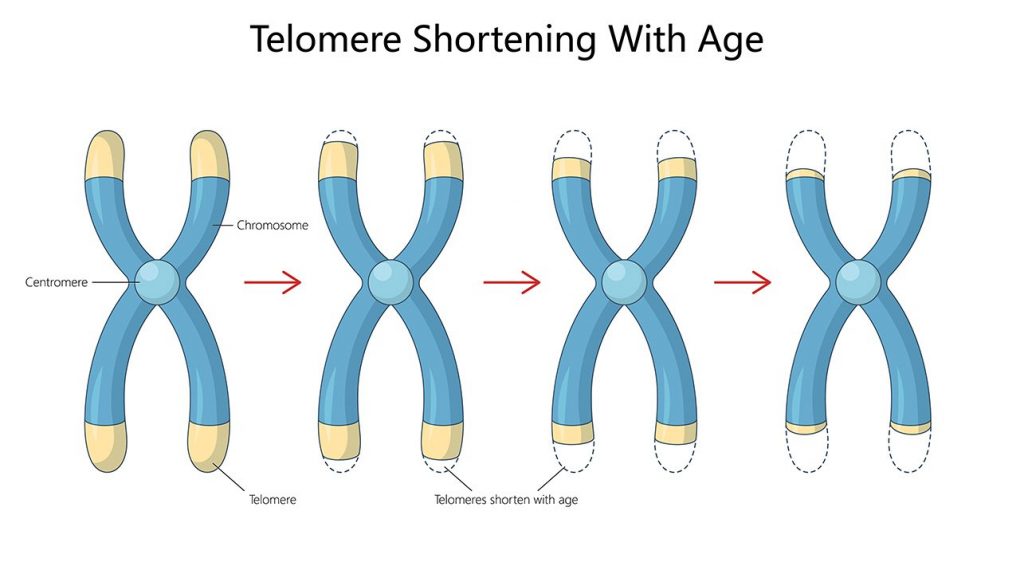
3. “Posttraumatic stress disorder, adverse childhood events, and buccal cell telomere length in elderly swiss former indentured child laborers.”

Küffer, Andreas Lorenz, et al. Frontiers in Psychiatry 7 (2016). 

In this study, the role of childhood trauma was assessed as a potential additional risk factor for shorter telomere length.

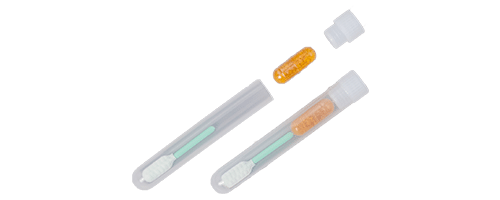
Buccal cell samples collected from elderly Swiss participants using Isohelix Buccal Swabs. Collected cells were stored with DNA stabilizer until further preparation. The insertion of a Dri-Capsule (Cell Projects, Kent, UK) allowed the sample to be stored at room temperature without DNA degeneration and then DNA was extracted and analysed to measure telomere length by quantitative PCR (qPCR), which is a marker of cellular aging

Contrary to expectations, PTSD and childhood trauma were not associated with shorter telomeres in late life. Surprisingly, individuals with PTSD showed a trend toward longer telomere length. This highlights the complexity of linking early-life trauma, psychiatric disorders, and biological aging, and the value of buccal swabs for large-scale, low-burden sampling in older populations.

4. “Methylation Dynamics on 5′-UTR of DAT1 Gene as a Bio-Marker to Recognize Therapy Success in ADHD Children.

Carpentieri, V. et al., Children 2023, 10, 584.)

The aim of this work was to search for clinical biomarkers to indicate whether  treatments led to benefits or not for children with ADHD.

For this project, buccal swab samples were collected from sixty children with ADHD using the Isohelix Buccal-Prep Plus kit. Extracted DNA analyzed for CpG methylation in the 5′-UTR of the dopamine transporter gene, DAT1. Methylation profiles were compared before and after therapy (either methylphenidate or cognitive behavioral therapy).

Interestingly, children who improved after therapy showed distinct methylation patterns at specific CpG sites compared to those who remained severe. These epigenetic signatures may serve as objective biomarkers of treatment success, supporting personalized medicine in ADHD care. The study highlighted the importance of non-invasive buccal DNA collection for monitoring molecular changes in pediatric patients.

Conclusion

Isohelix DNA collection and stabilization kits provided the foundation for reliable, non-invasive, and scalable genetic and epigenetic analysis across these diverse studies. From polygenic risk scoring to pharmacogenomics and biomarker discovery, Isohelix products enabled researchers to unlock insights that bring us closer to precision psychiatry and personalized medicine.

To find out how Isohelix can help with DNA sample collection and isolation for your study, visit www.isohelix.com.

Dogs through the lens of age

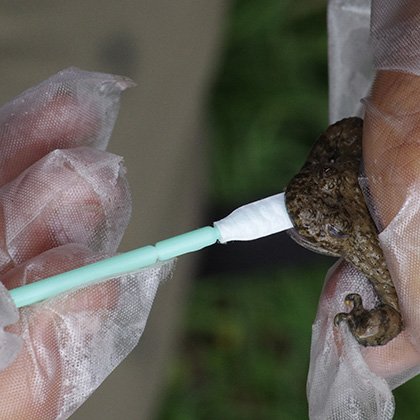
Isohelix Swabs can be used for human or animal donors

Isohelix Buccal Swabs make DNA sampling easy, whether the donor is human or an animal! In this recent study by Dutra et al (2024), the donors were canine, and the study was to evaluate the potential of using dogs’ apparent age, judged from photographs, as a non-invasive tool for assessing their welfare.

Relative Telomore Length

Relative telomere length (RTL) is biomarker of biological aging, and can be measured using quantitative PCR. To collect DNA to measure RTL, DNA samples were collected by placing an Isohelix Buccal swab against the inside surface of the dog’s cheek, and saliva and tissue were collected by rolling the swab against the cheek. An Isohelix  Dri-Capsule was included in each swab tube, preventing degradation and enabling the sample to be stored at room temperature. DNA was extracted using a Buccalyse DNA Release Kit.

Can apparent age be used as an indicator of welfare?

Traditional welfare assessment methods often rely on behavioral and physiological indicators, which can be resource-intensive and invasive. This research explored whether apparent age, a measure used in humans to predict health and longevity, can also serve as an indicator of welfare in dogs by investigating its association with RTL.

Contact us to find out more about how Isohelix products can help with your sample collection, preservation and isolation.

Read the full paper here: https://www.mdpi.com/2813-9372/1/3/26

From Ancestry to Disease Risk: What is Extracted DNA used for?

As DNA testing becomes more accessible and cost-effective, its applications in research, healthcare, and direct-to-consumer services, such as microbiome and ancestry testing, continue to expand. At Isohelix, we’re proud to support this growth by providing high-quality DNA collection and stabilization solutions. Whether you’re studying rare inherited disorders, using genomics to tailor drug treatments for patients, or helping consumers explore their ancestral roots, the success of your genetic analysis starts with reliable sample collection.

In this article, we examine key application areas where DNA collection plays a pivotal role, ranging from lifestyle genomics to cancer diagnostics. Read on to learn more about:

  • Unlocking Complex Traits with GWAS
  • Calculating Genetic Health Risks
  • Pharmacogenetics and Pharmacogenomics
  • Carrier Screening for Inherited Disorders
  • Lifestyle genomics
  • Microbiomics

Unlocking Complex Traits with GWAS

What is GWAS used for?

Genome-wide association studies (GWAS) compare genetic differences between samples from donors with and without a disease or trait, to find links. The primary genetic variations researchers look for are single nucleotide polymorphisms (SNPs), which represent a difference in a single nucleotide and are the most common type of genetic variation. SNPs commonly occur between genes, where they can be used as biological markers to help scientists locate genes associated with a disease or trait, within a gene, or in a regulatory region near a gene where they may affect the gene function and play a direct role in the trait or disease.

Multi-center GWAS projects often collect DNA from large numbers of individuals, utilizing high-throughput genotyping platforms, such as SNP arrays, to identify associations between SNPs and traits. These studies extract DNA from large cohorts, often over a wide geographical area, that must be collected and preserved to ensure consistent quality across the study.

Historically, DNA was collected from blood for GWAS studies, but as DNA collection and stabilization technology have improved for saliva and buccal swabs, these sample types are now commonly used.  Saliva collection is a safe and non-invasive process, and saliva collection kits can be mailed to donors for self-collection at home. Read more about how Isohelix saliva collection kits are replacing blood sampling at https://isohelix.com/saliva-instead-of-blood/.

Calculating Genetic Health Risks

Predictive genetic testing enables individuals to understand their risk of developing a specific condition or disease. Identifying genetic risk factors can encourage earlier lifestyle interventions or further clinical screening. A polygenic risk score is used to estimate the genetic risk for a trait or disease by combining the effects of multiple SNPs. Polygenic Risk Scores (PRS) are often generated using genome-wide association study (GWAS) data, which can come from SNP array data generated from DNA samples.

For example, Polygenic Risk Scores (PRS) have been widely used in breast cancer research to stratify risk and inform screening and prevention strategies. Integrating PRS into clinical practice enables healthcare providers to deliver more accurate risk assessments, personalized prevention strategies, and optimized screening programs.

Pharmacogenetics and Pharmacogenomics

What’s the difference between pharmacogenetics and pharmacogenomics? Although the terms are often used interchangeably, pharmacogenetics is a subset of pharmacogenomics, which focuses on understanding how genetic variations influence an individual’s drug response. By contrast, pharmacogenomics refers to the investigation of the collective influence of the entire genome on a drug response.

Pharmacogenetic/genomic testing is revolutionizing precision medicine by helping clinicians prescribe drugs that are more likely to be effective for patients and less likely to cause side effects based on the patient’s genetic makeup.

Knowing a patient’s genotype at a specific locus can help doctors select the correct medication and dosage. For example, variants in the CYP2C19 gene affect how a patient metabolizes clopidogrel, a commonly prescribed blood thinner[i].

Pharmacogenetic/genomic testing is revolutionizing precision medicine by helping clinicians prescribe drugs that are more likely to be effective for patients. and less likely to cause side effects based on the patient’s genetic makeup.

The broader approach of Pharmacogenomics evaluates all genetic interactions, allowing healthcare professionals to design treatment plans that require multiple medications. With the drug Trastuzumab, variations in the HER2 gene[ii], along with other genes that affect drug metabolism and immune function, can impact a patient’s response.

Real-time PCR (qPCR) is often used in pharmacogenetics, where a fast turnaround time is necessary, and a single or small number of genes are being investigated. For pharmacogenomics, whole genome SNP arrays provide genotype information on hundreds of thousands of loci. Blood and/or saliva samples can be used to generate genotyping data with both technologies.

Carrier Screening for Inherited Disorders

Carrier screening identifies individuals who may pass on harmful genetic conditions such as cystic fibrosis, spinal muscular atrophy, or Tay-Sachs disease. Historically, carrier screening was limited to a select number of tests, primarily offered to individuals or populations at higher risk. However, the use of carrier screening and its role in reproductive health is changing rapidly as genetic analysis tools, such as high-density microarrays, next-generation sequencing (NGS), and powerful bioinformatics, become more sophisticated. A single DNA sample can now be used to screen hundreds of disorders.

Lifestyle genomics

From ancestry testing to athletic performance and appearance traits, lifestyle genomic testing has exploded in popularity. Consumers are using at-home DNA collection of saliva or buccal swabs to uncover where their ancestors came from, how their bodies process nutrients, or whether they’re genetically predisposed to faster recovery from exercise. An ancestry company may use SNP genotyping to map thousands of genetic markers, comparing them to global population databases to infer ancestral origins.

Microbiomics

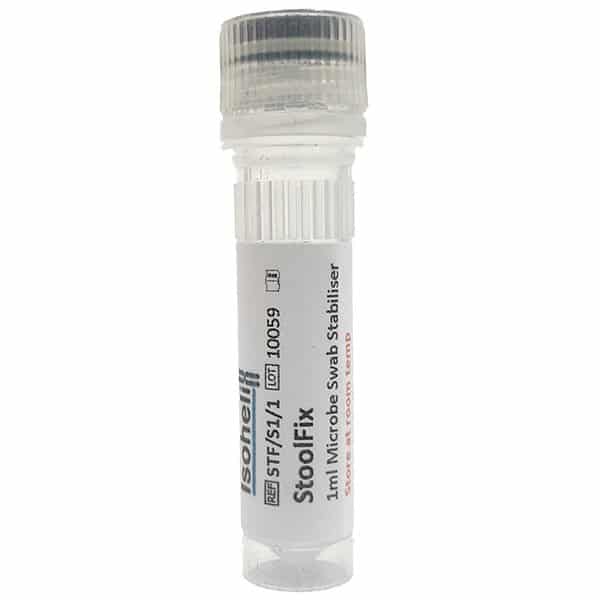
Consumer microbiome testing has rapidly gained popularity in recent years, offering individuals a window into the complex communities of bacteria, fungi, and other microorganisms living in their gut. Using at-home stool collection kits, consumers can submit samples for sequencing and analysis, revealing how their microbiome may influence digestion, immunity, skin health, mood, and even weight management.

Many testing providers pair results with personalized diet or supplement recommendations based on the individual’s microbial profile. The accuracy of microbiome insights relies on high-quality, well-preserved samples, making robust DNA collection and stabilization methods essential to ensure reliable sequencing data.

Isohelix DNA Collection and Stabilization

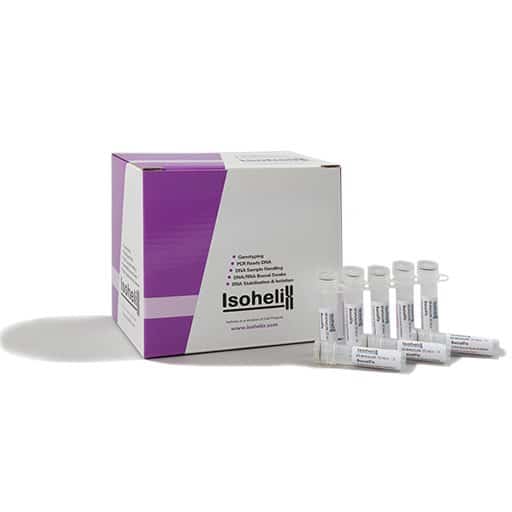
 At Isohelix, we understand the importance of high quality DNA collection, extraction and preservation.  Our GeneFixTM collection features high-yielding sample collectors that seamlessly integrate with our expanding range of Isohelix DNA collection, extraction and stabilization kits. These genetic sampling kits are specifically designed to provide exceptional DNA purity and yield, whether for life science research, molecular diagnostics, or forensic applications.

Visit our website to find out more: https://isohelix.com/

[i] Brown SA, Pereira N. Pharmacogenomic Impact of CYP2C19 Variation on Clopidogrel Therapy in Precision Cardiovascular Medicine. J Pers Med. 2018 Jan 30;8(1):8. doi: 10.3390/jpm8010008. PMID: 29385765; PMCID: PMC5872082.

[ii] Zakaria NH, Hashad D, Saied MH, Hegazy N, Elkayal A, Tayae E. Genetic mutations in HER2-positive breast cancer: possible association with response to trastuzumab therapy. Hum Genomics. 2023 May 18;17(1):43. doi: 10.1186/s40246-023-00493-5. PMID: 37202799; PMCID: PMC10193616.

Further Reading

  • Genome Wide Association Studies (GWAS)

Milona, M., et al. Association of Three Genetic Loci with Molar Incisor Hypomineralization in Polish Children. J. Clin. Med. 2024, 13, 857. https://doi.org/10.3390/jcm13030857

  • Genetic health risks

Mitchell, Brittany L., et al. “Polygenic risk scores derived from varying definitions of depression and risk of depression.” JAMA psychiatry 78.10 (2021): 1152-1160. https://doi.org/10.1001/jamapsychiatry.2021.1988

  • Pharmacogenetics

Lind, Penelope A., et al. “Clozapine efficacy and adverse drug reactions among a nationwide study of 1021 Australians prescribed clozapine: The ClozaGene Study.” Schizophrenia Bulletin (2024): sbae065. https://doi.org/10.1093/schbul/sbae065

  • Carrier screening

Rajan-Babu, Indhu-Shree, et al. “Defining the performance parameters of a rapid screening tool for FMR1 CGG-repeat expansions based on direct triplet-primed PCR and melt curve analysis.” The Journal of Molecular Diagnostics 18.5 (2016): 719-730. https://doi.org/10.1016/j.jmoldx.2016.05.002

  • Lifestyle Genomics

Kazan, H.H., Bulgay, C., Zorba, E. et al. Exploring the relationship between caffeine metabolism-related CYP1A2 rs762551 polymorphism and team sport athlete status and training adaptations. Mol Biol Rep 51, 841 (2024). https://doi.org/10.1007/s11033-024-09800-2

  • Microbiomics

Saifon, W., Sensorn, I., Trachu, N. et al. Gastrointestinal microbiota profile and clinical correlations in advanced EGFR-WT and EGFR-mutant non-small cell lung cancer. BMC Cancer 22, 963 (2022). https://doi.org/10.1186/s12885-022-10050-3

Self-Control and DNA Methylation: How Your Choices Influence Biological Aging

A study in Clinical Epigenetics by Willems et al (2024), examined whether self-control is associated with buccal and saliva DNA-methylation (DNAm) measures of biological aging, and whether biological aging measured in buccal DNAm is associated with self-reported health status.

The study found that in older participants (57–72 years), lower self-control was associated with more advanced biological aging, but this was not the case in young adults, adolescents or children. These associations were present even after correcting for possible confounders such as socioeconomic contexts, BMI, or genetic correlates of low self-control. The results also indicated that both advanced biological age and a faster pace of aging as measured by buccal DNAm, were associated with more self-reported disease.

The findings are consistent with the hypothesis that self-control is associated with health via pathways that accelerate biological aging in midlife and older age. 

We were excited to see that Isohelix SK-1S buccal swabs and Dri-Capsules were used to collect buccal and saliva samples for methylation profiling.

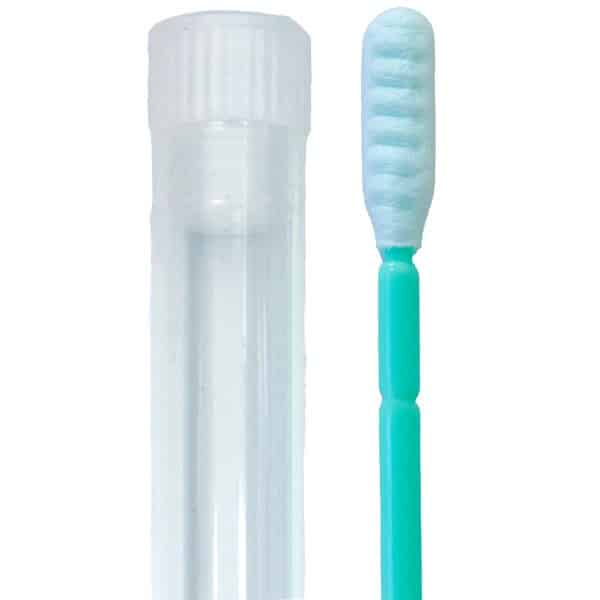
SK-1S buccal swab and Dri-Capsule

Click here to see other publications that used Isohelix products to investigate methylation status: https://isohelix.com/publications/

Read the open-access paper here: https://doi.org/10.1186/s13148-024-01637-7

Can Peanut Butter Boost Strength and Cognitive Function?

We are excited to see that the Isohelix RapiDri Buccal Swab Kit has been selected as the sample collection method for an Australian study investigating the effects of peanut butter supplementation on physical function, cognitive function, body composition, nutritional status, and DNA telomere length in older adults.

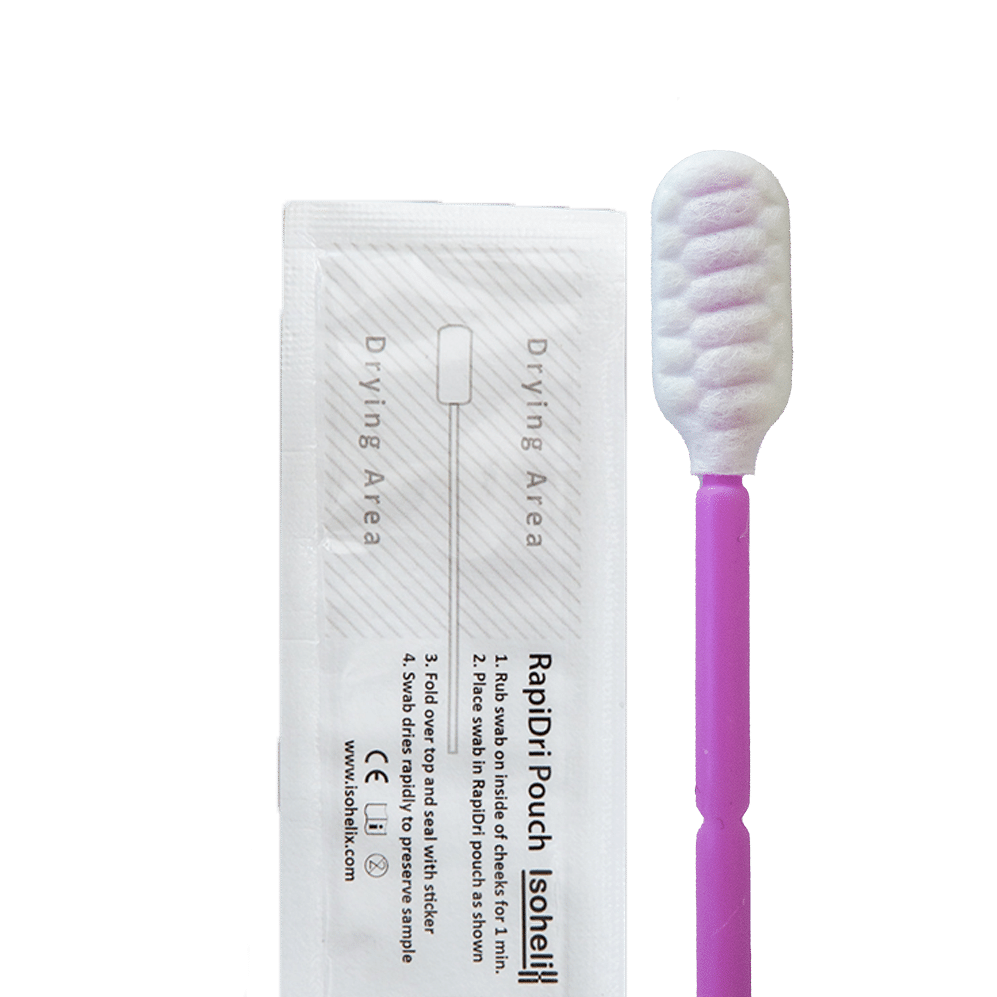
In the “Capacity of Older Individuals after Nut Supplementation (COINS) study,” buccal cell samples from participants’ inner cheeks will be collected using the Isohelix RapiDri Buccal Swab Kit, following the procedure outlined in the kit. RapiDri is an easy-to-use buccal swab that includes a quick-drying pouch that stabilizes DNA and acts as a secure transport pack. Cell samples will be processed and analyzed for DNA telomere length using the quantitative PCR method.

Alongside the DNA analysis, participants will undergo various physical and cognitive function assessments, body composition, and nutritional status analyses.

Once available, the results will indicate whether daily peanut butter intake improves physical function, cognitive health, and overall well-being in older adults.

We can’t wait to see the results of the study when they are published!

For more details on the study, click here.

How Genetics and Caffeine Shape Cognitive Performance: Insights from a New Study

Check out this hot-off-the-press publication by Kapellou et al. from St Mary’s University in London, where questionnaires, cognitive tests, and genotyping were used to investigate the interactions between genetics and habitual caffeine consumption on cognitive performance.

Healthy participants completed questionnaires on sociodemographic, health, and lifestyle factors and caffeine and alcohol intake.

They were then subjected to cognitive tests to assess social and emotional cognition, memory, attention, and executive function.

Finally, DNA was collected remotely from participants using an Isohelix RapiDri™ Swab kit. DNA was extracted and samples were genotyped at loci associated with caffeine metabolism and response, using TaqMan® SNP genotyping assays.

The findings suggest an association between genetic caffeine metabolism, habitual caffeine intake, and cognitive function in terms of social cognition and executive function.

Participants were grouped into ‘fast’ and ‘slow’ metabolizers:

  • ‘Fast’ metabolizers consumed significantly more caffeine than ‘slow’ metabolizers.
  • ‘Slow’ metabolizers performed better than ‘fast’ metabolizers in emotion recognition among high-caffeine consumers.
  • “Fast’ metabolizers performed better than ‘slow’ metabolizers in the executive function domain, but only within moderate caffeine consumers.

The study confirms that the association between caffeine and cognition is domain-specific, with social and emotional cognition and executive linked to habitual intake. It also replicates previous findings that ‘fast’ metabolizers consume more caffeine. More research in natural environments using larger cohorts is needed to confirm these findings and understand how habitual caffeine may influence cognitive function based on individual genotypes.

Rapidly extract DNA for sensitive applications with Buccalyse Direct-to-PCR kits

We are always thrilled to see our products cited in peer-reviewed publications.

This month, we would like to share some publications in which our popular Buccalyse Direct-to-PCR (BEK) kits (sometimes referred to as Buccalyse DNA Release kits) have been used to rapidly extract DNA for applications such as PCR and microarray analysis:

“Advancing human genotyping: The Infinium HTS iSelect Custom microarray panel (Rita) development study” Matute et al (2024)

The objective of this research was to assess the sensitivity, repeatability, reproducibility, accuracy, and precision of an HTS iSelect Custom panel called ‘Rita’, a custom SNP microarray panel developed using Illumina Infinium HTS technology. Designed for high-throughput genotyping, the panel efficiently facilitates the analysis of over 4000 markers associated with health, lifestyle, and forensic factors.

Studies revealed consistent panel performance across different batches and operators, with no significant deviations in call rates or genotyping results. The evaluation confirmed the Rita microarray as a robust, high-throughput genotyping tool, underscoring its potential in genetic research and forensic applications.

Samples for the study were extracted from buccal swabs using the Buccalyse DNA Release Kit. The sensitivity study showed that it is possible to obtain more than a 99 % call rate when working with as little as 0.78 ng of DNA.

The ability to a lower DNA input increases the assay’s utility in forensic laboratories, where casework samples may sometimes contain small amounts of genetic material.

Genes Involved in Susceptibility to Obesity and Emotional Eating Behavior in a Romanian Population Vranceanu et al, (2024)

This study examined the relationship between six obesity-related genes (CLOCK, FTO, GHRL, LEP, LEPR, MC4R) and their impact on measures of obesity and emotional eating behavior in 220 Romanian adults.

Buccal cells were collected from the lateral wall of the oral vestibule and sent for processing in a UK laboratory using the Rapidri Swab kit. DNA was then extracted from the buccal cells using Buccalyse, and genotype analysis was performed using the ABI7900 real-time thermocycler system.

The analysis revealed significant variability in obesity-related phenotypes and emotional eating behaviors across different genotypes. The study provides a foundation for targeted interventions to prevent and reduce obesity and suggests potential strategies for gene expression modulation to mitigate the effects of emotional eating.

“Systemic immunity shapes the oral microbiome and susceptibility to bisphosphonate-associated osteonecrosis of the jaw.” Kaylan et al (2015)

Osteonecrosis of the jaw (ONJ) is a rare but serious adverse drug effect linked to long-term and/or high-dose exposure to nitrogen-bisphosphonates (N-BP). The objective of this investigation was to assess the relationship linking immune function, N-BP exposure, the oral microbiome, and ONJ susceptibility.

To investigate the oral microbiome, Isohelix DNA swabs were used to obtain microbial DNA by running the swab along an area of the outer gumline of subjects. DNA was extracted using the Isohelix Buccalyse DNA extraction kit and stored at −20°C until analysis.

The oral microbiome was characterized by 454 pyrosequencing of the 16S rRNA gene in 93 subjects stratified by N-BP exposure and a history of ONJ.

The oral microbiome was found to be unlikely to cause ONJ. Instead, individuals with bisphosphonate-associated ONJ lacked immune resiliency, which impaired their capacity to respond adequately to the immunological stress of N-BP.

Buccalyse offers researchers a robust, user-friendly tool that consistently delivers reliable results. Its widespread adoption in diverse studies reflects its quality and adaptability, making it an indispensable asset for advancing research in genetics, microbiome studies, and forensic science.

Summary

The above publications feature DNA extracted using the Buccalyse Direct-to-PCR kit being used in a range of molecular biology applications including (but not limited to) genotyping using SNP micorarrays and PCR methods, and 454 pyrosequencing of the 16S rRNA gene for microbiome characterization.

The Buccalyse Direct-to-PCR Kit has been specially formulated to produce high DNA yields from buccal swabs. The kit is a quick and simple one-tube alternative to existing DNA isolation methods when extracting DNA for use in PCR reactions. The yield of DNA from a single buccal swab using Buccalyse is generally around 2 to 4ug from an adult.

CLICK HERE TO FIND OUT MORE ABOUT BUCCALYSE

Meet Isohelix at ASHG 2024 in Denver!

Isohelix is delighted to be attending ASHG 2024 in Denver from November 5 to 9. Join us at Booth #775!

We can’t wait to hear about your projects and introduce you to our innovative solutions for sample collection, stabilization, and purification.

Come by to discuss how our products can enhance your research efforts. We look forward to connecting with you at the event!