
Real-World Applications: How Scientists Are Using Isohelix Products to Advance Cancer Research

Genomic research is at the heart of efforts to understand, detect and treat cancer. From identifying hereditary risk variants to characterising tumour biology, the quality of genetic analysis depends on the quality of nucleic acid samples analysed.

Whether samples are collected in the lab or remotely, extracted nucleic acids must be able to support sensitive downstream applications such as genome-wide association studies (GWAS), next-generation sequencing (NGS) and epigenetic analyses.

Isohelix sample collection, stabilisation and extraction products have been designed to meet this challenge. Combining non-toxic, guanidinium-free chemistry with high-yield collection formats and a room-temperature storage capability of up to 60 months, Isohelix products are trusted by researchers around the world for their sample collection needs.

In this article, we present four studies where Isohelix products have been used for different aspects of cancer research:

  • Identifying Breast Cancer Risk in Younger Women: The BCAN-RAY Study
  • Expanding Access to BRCA Testing: The BRCA-DIRECT Study
  • Oral Microbiome Disruption as a Marker of Oral Cancer
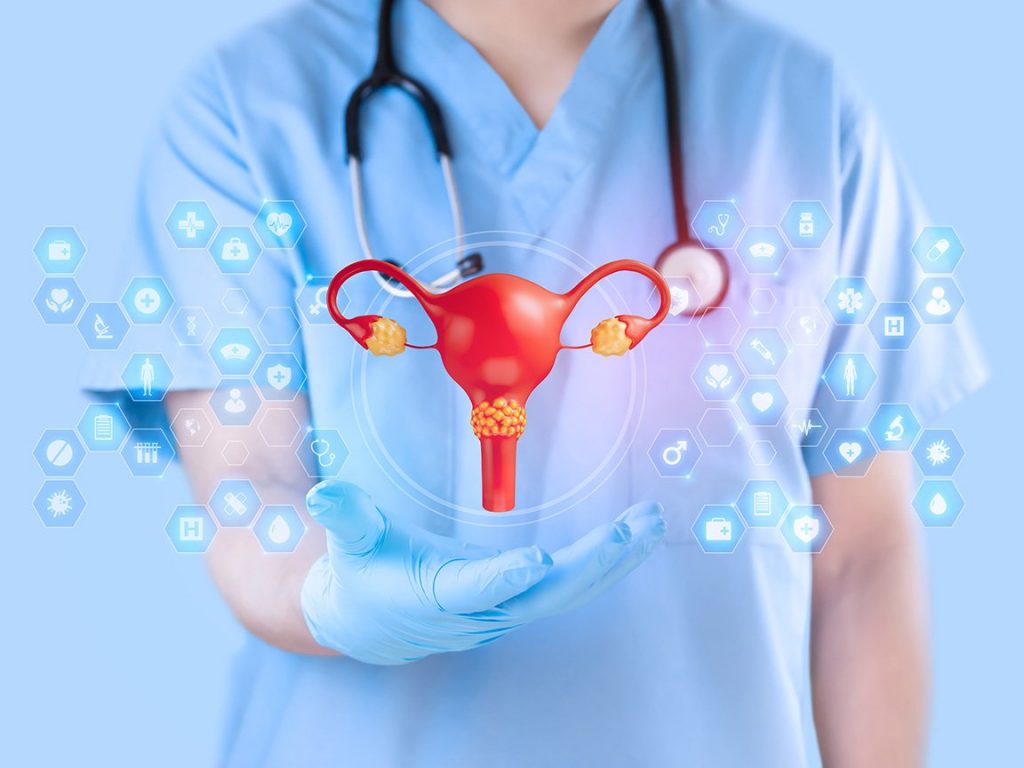
  • Genomic Biomarkers of Chemoradiation Response in Cervical Cancer

Identifying Breast Cancer Risk in Younger Women: The BCAN-RAY Study

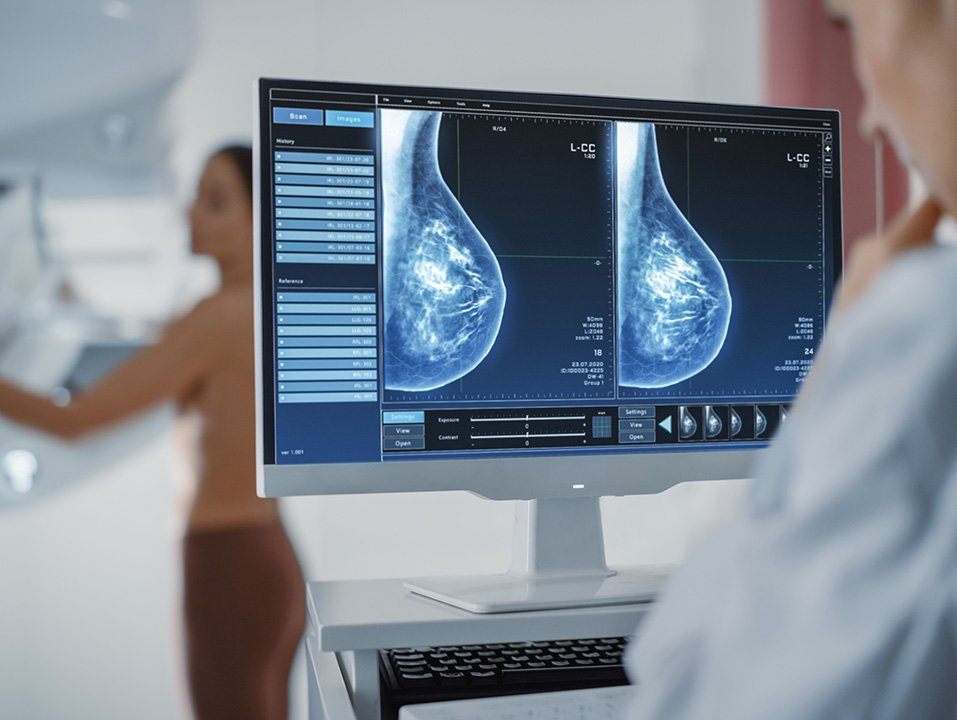
The Breast Cancer Risk Assessment in Younger Women (BCAN-RAY)[i] study began in May 2023. This ongoing study aims to evaluate a comprehensive breast cancer risk assessment strategy among a diverse ethnic and socioeconomic population of women aged 30–39 years, without a strong family history of breast cancer.

The study recruited 250 women previously diagnosed with breast cancer alongside 750 control participants aged 30–39 years. None of the participants had a strong family history of the disease.

Control participants complete questionnaires about breast cancer risk factors, undergo low-dose mammograms, and donate a saliva sample which is collected using Isohelix GeneFix Saliva Collection Kits. Saliva samples are used to analyse the genetic makeup of all participants and identify those at higher risk using a tool called a polygenic risk score, which is a powerful predictor of breast cancer risk.

Expanding Access to BRCA Testing: The BRCA-DIRECT Study

A second breast cancer study, the BRCA-DIRECT study[ii] aims to provide an easy way for patients with breast cancer to access genetic testing within the NHS, and examines the feasibility, safety, and acceptability of a digital information model.

The study investigates the BRCA1, BRCA2, and PALB2 genes, which are associated with hereditary breast cancer. The identification of a pathogenic variant in one of these genes can have health implications for patients and their relatives.

Participants provide a saliva or blood sample and access a digital platform. Family history details are collected, and information gathered about the donor’s general knowledge of BRCA testing. Participants were asked about their anxiety levels at different points in the process. Half of all those who took part saw digital information, and half booked a standard appointment with genetic counsellors.
Participants are then randomized to receive their results digitally or by booking a telephone appointment with a genetic counsellor. Everyone who has a positive result is then referred to their local clinical genetics team. If the digital pathway is successful, the concept could be expanded to other cancers and hospitals.

Oral Microbiome Disruption as a Marker of Oral Cancer

The oral microbiome is increasingly recognised as a potential biomarker for diseases including oral cancer. In the publication, “Differences in the bacteriome of swab, saliva, and tissue biopsies in oral cancer” (Gopinath et al 2021[iii]), researchers characterised the bacteriome of saliva, swab, and tissue biopsy samples.
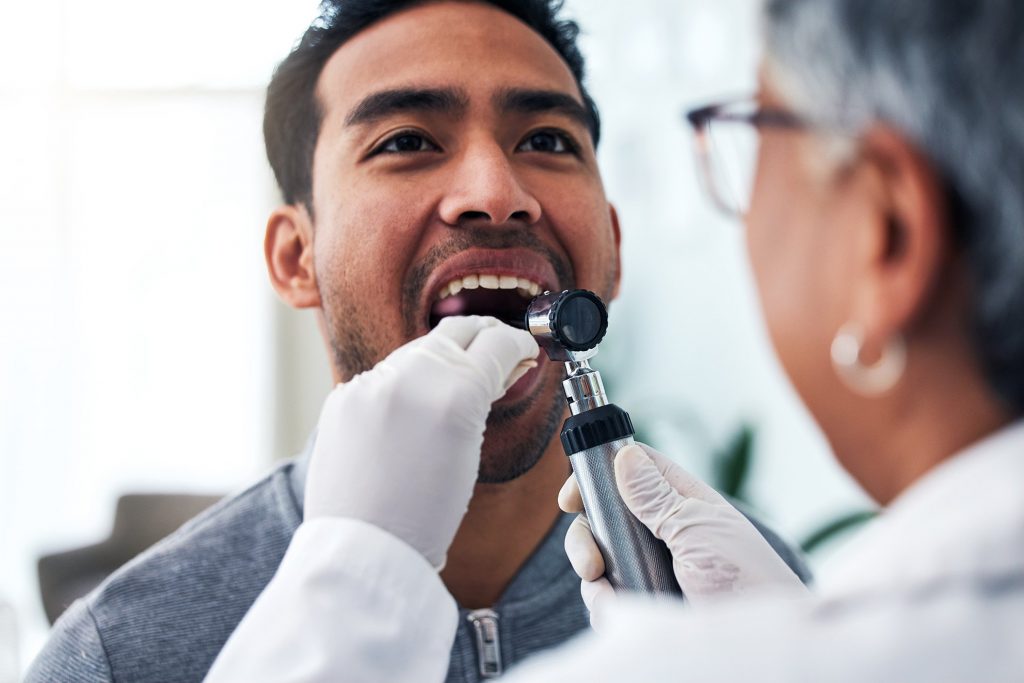
Isohelix sample collection products were used to collect samples, which were analysed using MiSeq sequencing to compare the bacterial communities of oral cancer patients to those of normal healthy controls in Indian cohorts. The study found significant variation in the bacterial flora in whole mouth fluid (WMF), tumor tissue and the tumor surface. The oral bacteriome of patients with oral cancer differed from that of healthy mouths, and these variations were not restricted to oral cancer tissues.

The ability to detect cancer-associated microbiome signatures using saliva rather than tissue biopsy has obvious clinical potential. The non-invasive longitudinal monitoring of microbiome composition in high-risk patients could offer an early warning system for malignant progression without the need for repeated invasive procedures.

Genomic Biomarkers of Chemoradiation Response in Cervical Cancer

In the final featured study, by Nolasco et al[iv] (2025), genomic changes were investigated as biomarkers of chemoradiation therapy response in locally advanced cervical cancer.

Locally advanced cervical cancer is typically treated with concurrent chemoradiation therapy (CRT), but clinical responses vary considerably between patients. Identifying genomic biomarkers that can predict or monitor treatment response would enable clinicians to personalise care and potentially intervene earlier in patients who are not responding as expected.

Using Isohelix sample collection and processing technology to obtain high-integrity DNA from study participants, the investigators evaluated whether genomic alterations detectable before and during treatment could serve as indicators of response or resistance to chemoradiation therapy. The study found that genomic changes can be observed before and after CRT in cervical cancer, but further validation is needed to determine their clinical utility in guiding CRT outcomes.
This study exemplifies a rapidly growing application area for non-invasive DNA collection: serial sampling across the course of treatment. Isohelix GeneFix™ devices stabilise DNA immediately upon collection and require no cold storage, so the same participant can donate samples at multiple time points, in the clinic, at home, or at a local collection point, without compromising sample quality. This longitudinal flexibility is increasingly important as cancer research moves toward real-time monitoring of treatment response.

Why Researchers Choose Isohelix for Cancer Genomics

As cancer genomics continues to evolve towards larger cohorts, more sensitive assays, longitudinal monitoring, and increasingly personalised treatment decisions, the need for reliable, accessible, and scalable sample collection solutions continues to grow.

Across each of these studies, Isohelix products provided reliable, high-quality DNA and RNA samples enabling cancer researchers to generate meaningful results.

Several features make Isohelix particularly well-suited to cancer genomics research:

  • Non-invasive collection: Saliva and buccal swab sampling removes barriers to participant recruitment, particularly for community-based studies and those involving patients who may find repeated venepuncture difficult or distressing.
  • Room-temperature stability: GeneFix™ products stabilise DNA at room temperature for up to 60 months, eliminating cold chain requirements and making postal sample collection straightforward
  • Guanidinium-free chemistry: All GeneFix™ stabilisation buffers are non-toxic and guanidinium-free, making them safe for participants to handle at home and compliant with standard postal regulations.
  • High-yield, high-purity DNA: Isohelix extraction kits are optimised to work with GeneFix™ collectors, delivering DNA of sufficient purity and integrity for demanding applications including GWAS, whole-genome sequencing and microbiome analysis.
  • Scalability: Isohelix products are available in formats suitable for studies ranging from small, single-site investigations to large-scale biobanking programmes enrolling thousands of participants.

To find out how Isohelix can support your cancer research programme, visit www.isohelix.com or contact our team to discuss your sample collection requirements.


[i] Breast Cancer Risk Assessment in Younger Women (BCAN-RAY) study. Manchester University NHS Foundation Trust / Cancer Research UK (ACED). Ongoing.

[ii] https://doi.org/10.1186/ISRCTN87845055

[iii]Gopinath, D., Menon, R.K., Wie, C.C. et al. Differences in the bacteriome of swab, saliva, and tissue biopsies in oral cancer. Sci Rep 11, 1181 (2021). https://doi.org/10.1038/s41598-020-80859-0

[iv] Nolasco B, Ehsan S, Wang R et al.Evaluating Genomic Changes as Biomarkers of Chemoradiation Therapy Response in Locally Advanced Cervical Cancer International Journal of Radiation Oncology, Biology, Physics, 123e368

Field Sampling Made Easy: How Researchers Use Isohelix Kits in Extreme Environments

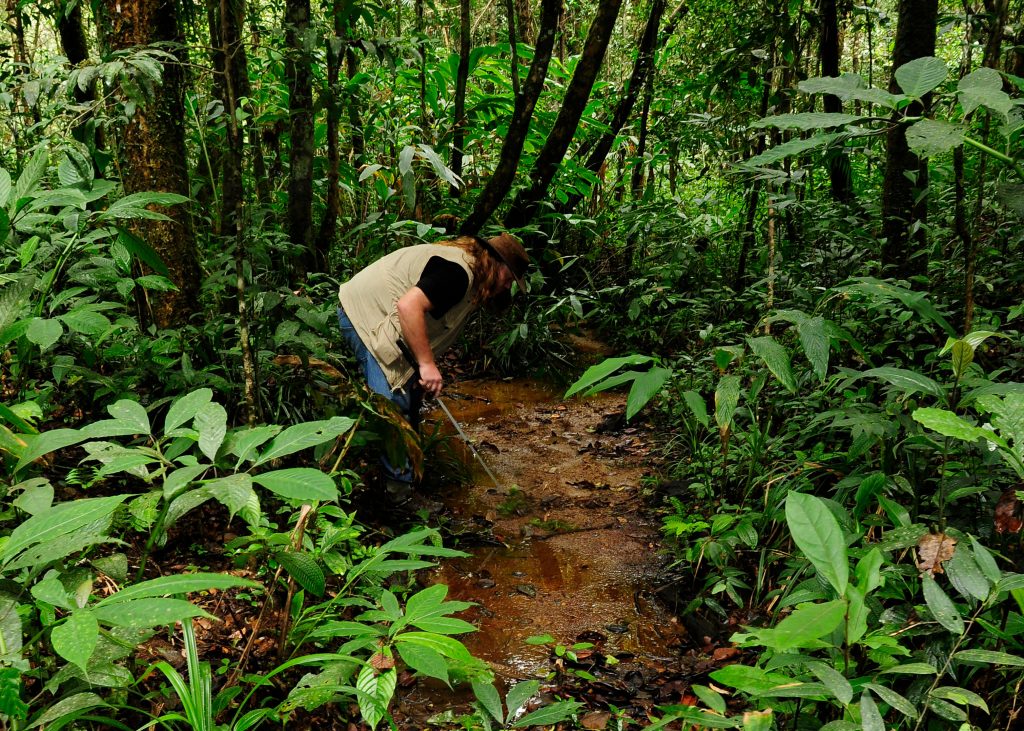
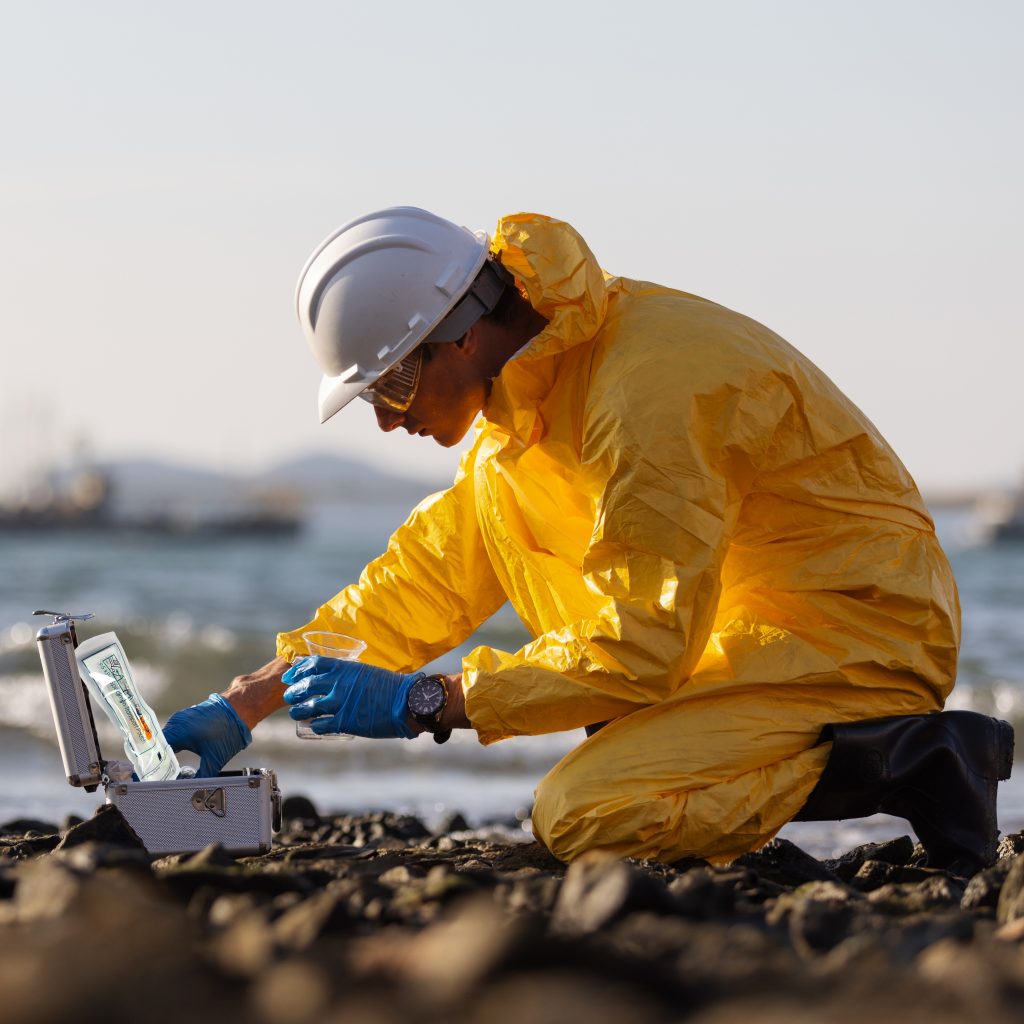
The ability to collect high-quality nucleic acid samples in the field is key to conservation, population genetics, epidemiology, forensics, and environmental genomics.

However, collecting samples outside the lab can involve working in extreme environments, with unpredictable temperature changes, high humidity, exposure to dust and dirt, and the presence of water.

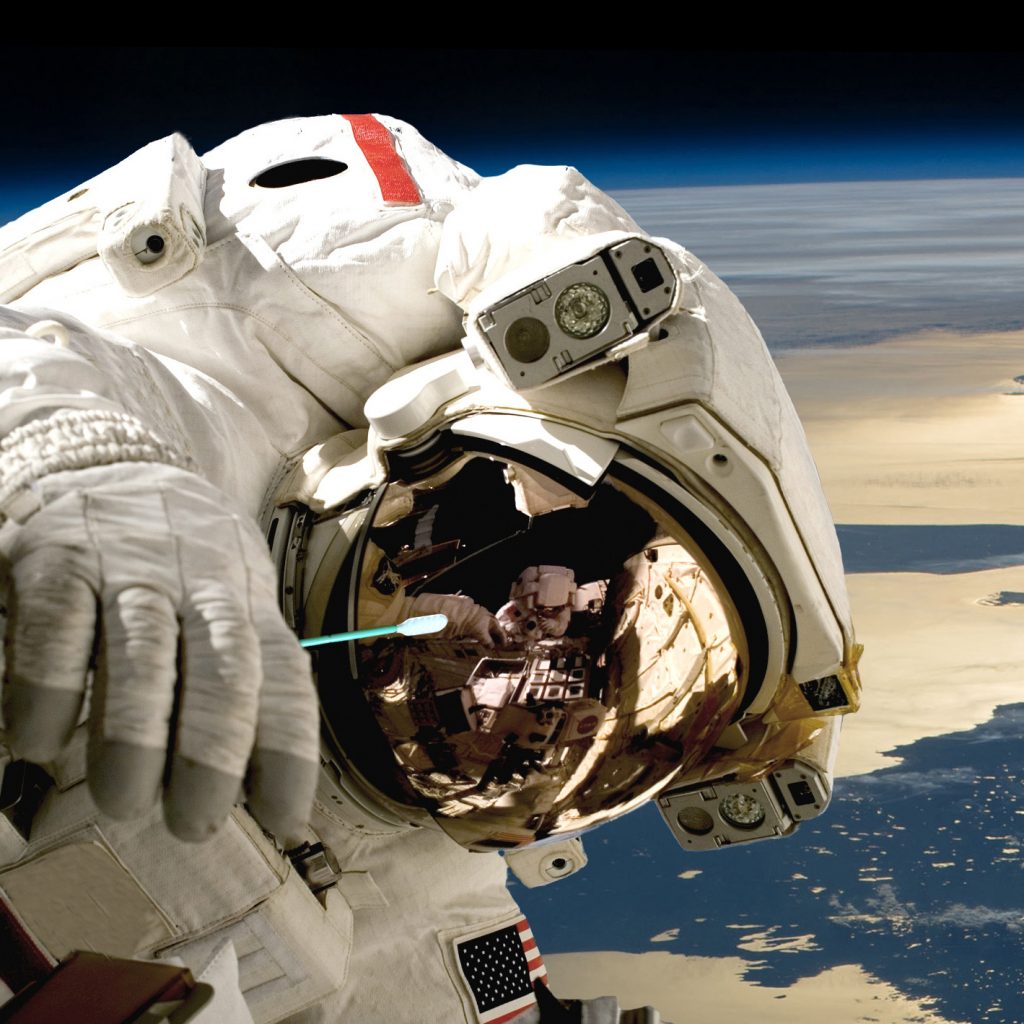
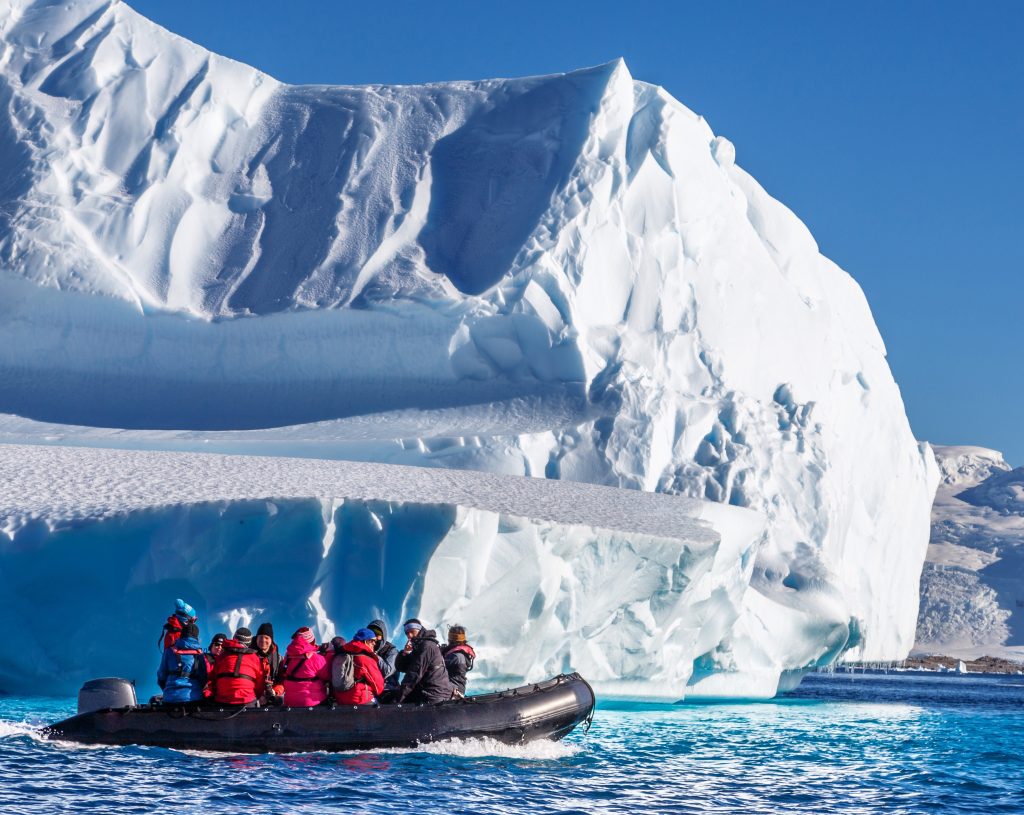
Read on to find out how scientists are using Isohelix products to collect high-quality nucleic acid samples from a range of environments, such as jungles, deserts, marine environments, and even from space!

The Challenges of Collecting Biological Samples in Extreme Environments

In the lab, it is relatively easy to collect and store biological samples. However, outside the lab, the sample collection and extraction workflow must be carefully considered to produce good results.

Extreme environments expose your precious samples to:

  • Thermal stress from tropical sun or hot transport vehicles, which can accelerate DNA degradation.
  • Humidity and water in rainforests, monsoons, wetlands, or coastal areas, which may enable microbial growth and the enzymatic breakdown of your samples.
  • Dust, grit, salt, and other inhibitors from dirty environments, which may interfere with downstream PCR/NGS workflows.

Stabilising DNA at the point of collection

Maintaining a cold chain for sample collection, storage, and shipment is particularly challenging when working in the field. With no power available for cold chain shipping and storage, logistics delays may mean that samples are not dealt with for a long time. For teams sampling in deserts, polar regions, offshore locations, or remote rainforest sites, maintaining sample stability at ambient temperatures can be the difference between success and failure.

Isohelix stabilization reagents maintain DNA integrity for several years without refrigeration or freezing. This not only reduces costs but also safeguards sample quality throughout shipping and long-term storage.

Isohelix stabilization chemistries are designed to protect nucleic acids immediately upon collection, enabling reliable downstream performance for sensitive applications such as microarray analysis, RT-PCR, and long-read sequencing.

Read our blog, https://isohelix.com/resources/how-to/how-to-maintain-the-integrity-of-dna-in-your-samples-without-freezing/,to find out more about Isohelix DNA Stabilization solutions.

Robust Packaging to Protect Samples

In extreme environments, contamination risks increase. Wind-blown dust, humidity, salt spray, mud, unsterile surfaces, and improvised field setups all increase the likelihood of introducing exogenous DNA or inhibitors. In these conditions, secure packaging and easy-to-handle collection kits are critical factors in maintaining sample integrity.

Robust packaging helps prevent:

  • Physical damage to collection devices
  • Seal failure during transit
  • Exposure to moisture
  • Environmental contamination during shipping

Isohelix’s robust, field-ready packaging helps ensure that what you analyse in the lab truly represents what was collected in the field. Isohelix swabs can be supplied individually wrapped and sterilised, ensuring that each device is protected from environmental exposure before use.

Isohelix collection tubes comply with UN3373 for leak-proof sample transport, which specifies that collection tubes must withstand a defined physical pressure differential of 95kPa. Transport packs for saliva and swab samples include an absorbent pad to contain leaks, a separate document pocket, and are tested to withstand 95kPa.

Click here to find out more about Isohelix packaging solutions

Summary

Isohelix kits and stabilization solutions empower researchers to collect reliable, high-quality DNA samples even in the most challenging field conditions. By safeguarding sample integrity through robust packaging, ambient temperature stabilization, and user-friendly collection devices, Isohelix enables vital research across diverse environments, from rainforests and deserts to the ocean and beyond.

Check out the publications below to see some examples of how Isohelix’s DNA collection and stabilisation products have been used to collect and stabilize nucleic acid samples in a range of challening environments:

Forest

Meier, Amelia C., et al. “Fruit availability and human disturbance influence forest elephant group size.” Animal Behaviour 203 (2023): 171-182.

Rivers

Gillman, Victoria H., et al. “Genomic evidence of local adaptation in Scottish freshwater pearl mussels.” Conservation Genetics 27.1 (2026): 10.

Adcock, Mia C., et al. “Population genomics of the endangered freshwater mussel, Arcidens wheeleri (Unionoidea: Unionidae: Anodontini), in the Little River, Arkansas, USA.” Journal of Molluscan Studies 90.3 (2024): eyae029.

Coastal Areas

Lee, Ji-Eun, et al. “Identification of Simultaneous Occurrence of Amphibian Chytrid Fungi and Ranavirus in South Korea.” Animals 15.14 (2025): 2132.

Cold Climates

Perrault, Charlotte, et al. “Dressed for the Weather: Tawny Owl Feather Adaptations Across a Climatic Gradient.” Ecology and Evolution 15.6 (2025): e71441.

Natural Habitats

Sinovas, Pablo, et al. “Giants in the landscape: status, genetic diversity, habitat suitability and conservation implications for a fragmented Asian elephant (Elephas maximus) population in Cambodia.” PeerJ 13 (2025) e18932.

Dicks, Kara L., et al. “Genetic diversity in global populations of the critically endangered addax (Addax nasomaculatus) and its implications for conservation.” Evolutionary Applications 16.1 (2023): 111-125.

Koutsokali, Maria, Christina Dianni, and Michael Valahas. “Buccal swabs as an effective alternative to traditional tissue sampling methods for DNA analyses in Chamaeleonidae.” Wildlife Biology 2023.2 (2023): e01052.

Helmstetter, Nolan A., et al. “Predator‐specific mortality of sage‐grouse nests based on predator DNA on eggshells.” Ecology and Evolution 14.10 (2024): e70213.

Space

Overbey, Eliah G., et al. “Collection of biospecimens from the inspiration4 mission establishes the standards for the space omics and medical atlas (SOMA).” Nature Communications 15.1 (2024): 4964.

Tierney, Braden T., et al. “Longitudinal multi-omics analysis of host microbiome architecture and immune responses during short-term spaceflight.” Nature Microbiology (2024): 1-15.

Maximise Every Sample: How Using Isohelix Swabs improves Nucleic Acid Collection

Your genomics results are only as good as the sample you start with, regardless of which sequencing platform or analytics packages you use.

Across population genetics, clinical research, microbiome studies, and diagnostic workflows, swabs remain one of the most widely used tools for DNA collection. Yet despite their apparent simplicity, not all swabs perform the same. In fact, your choice of swab can have a significant impact on sample integrity, nucleic acid yield, and therefore the overall success of your study.

At Isohelix, we’ve spent decades optimising swab and saliva-based sampling. Here’s what we’ve learned about why your choice of swab matters, and how Isohelix’s unique swab designs ensure you get the best from your samples.

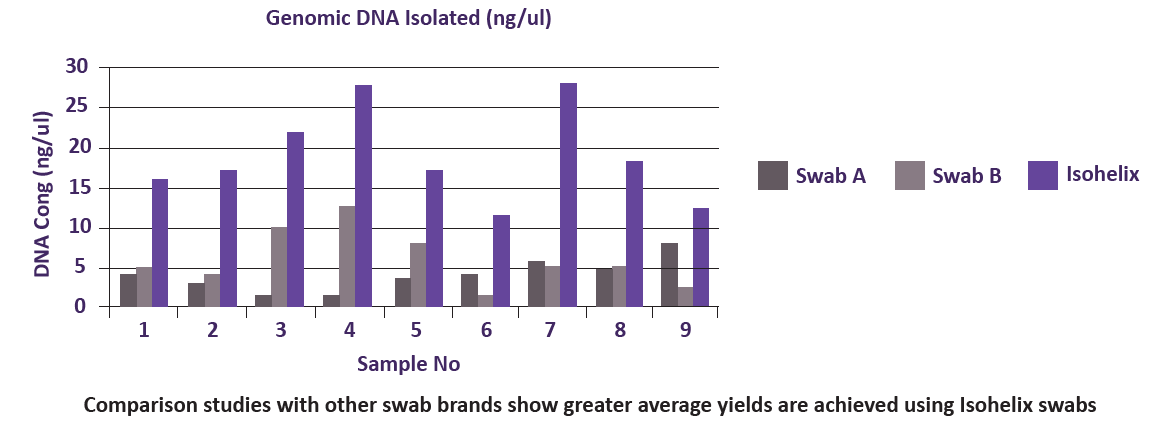
Isohelix swabs deliver higher yields, better DNA integrity, simpler handling, and more consistent results, helping you protect your data quality from the very first step.

Read on to find out why world-class research groups use Isohelix collection kits for their studies:

Most Swabs Leave Material Behind

One of the most significant advantages of buccal swab DNA collection is its completely non‑invasive nMany standard swabs were designed for microbiological or diagnostic applications, but not specifically for collecting DNA. The fibre structure in the heads of these swabs can trap cells, but not efficiently release the sample into lysis buffer for nucleic acid extraction. This limites the amount of DNA that can be recovered.

Isohelix swabs use a unique swab matrix with a quick release surface specifically engineered to maximise sample capture and release.

Users consistently report:

  • Higher DNA yields
  • Higher purity
  • Less variability between donors

This translates to fewer failed samples and better results.

The unique, Isohelix high-yielding swab matrix, ensures greater DNA yields.

Maintaining DNA Sample Integrity

As long-read sequencing, high-molecular-weight workflows, and advanced epigenetic assays become mainstream, the quality of DNA samples becomes increasingly critical.

To reduce the risk of sample deterioration and remove the cost of cold chain shipping and storage, Isohelix has developed a number of nucleic acid stabilization products, including collection tubes prefilled with BuccalFix reagent, Dri Capsules that can be added to tubes containing swabs, and Rapi-Dri collection kits that include a quick drying pouch that stabilizes DNA on a swab when it is placed inside.

Isohelix swab systems with proprietary stabilisation chemistries ensure:

  • Long-term ambient sample stability
  • Protection against nuclease activity
  • Preservation of microbial composition (where required)
  • No toxic chemicals, making shipping easier and safer

Whether you’re running a large epidemiological study or collecting samples in remote locations, stabilised swabs eliminate common failure points.

Simple Handling of DNA Samples

Isohelix products are designed by scientists, for scientists. We understand the challenges researchers face and have designed our products to be as straightforward to use as possible.

To ensure simple handling and efficient workflows, Isohelix collection and processing solutions include:

  • Innovative swab and tube design
  • Snap-in tubes and transport vials
  • Automation-friendly and custom formats
  • Matching consumables for high-throughput labs

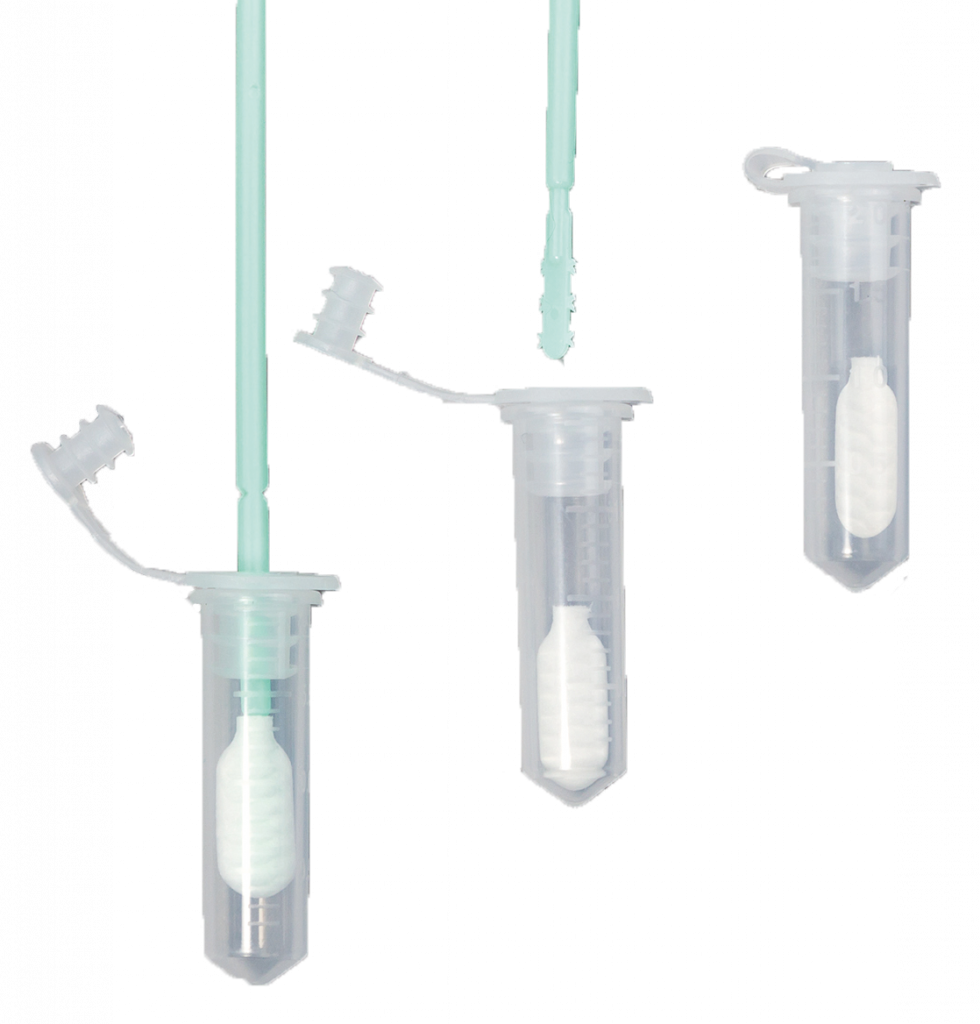
For example, we have developed the SK-2S Isohelix Swab kit, which includes a unique cap design that allows you to push the entire swab head off the shaft and into the collection tube after sampling. This format has the advantage of being easier to manipulate at the isolation stage, whether using manual or high-throughput extraction methods.

SK-2S

SwabCatcher Tubes Simplify Sample Handling

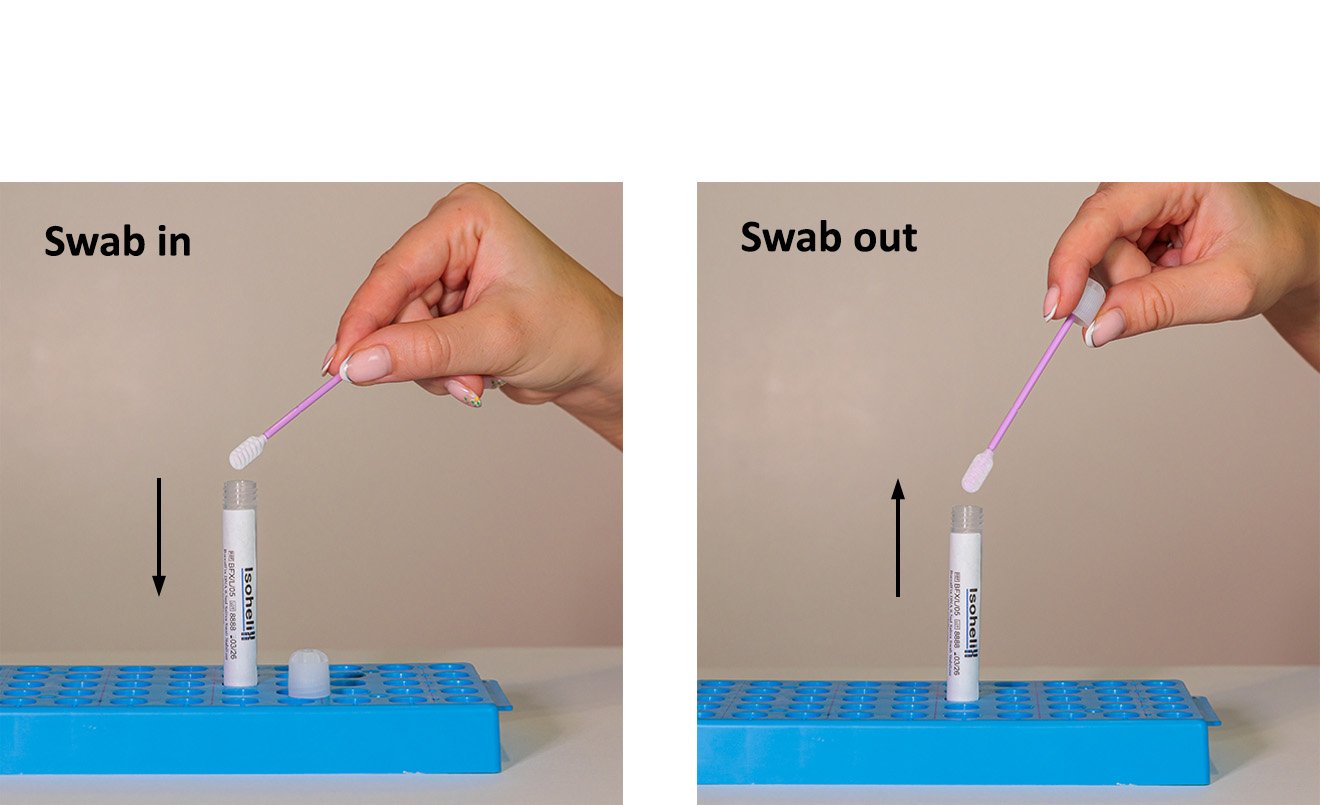
Another innovative product designed for ease of use is the SwabcatcherTM tube, which features a unique cap that automatically removes the swab from the tube after lysis.

SwabCatcher™ tubes simplify sample processing for Isohelix swabs, making them easy to integrate into manual or automated extraction workflows. The cap designs allow rapid swab removal during processing, saving time and minimizing cross-contamination. The tubes are automation- and high-throughput friendly. They can be integrated into automated capping and decapping machines, and are available with customizable barcoding and labelling, if required.

DNA Sampling of Small Animals and Invertebrates

To make DNA sampling of small subjects easier, Isohelix developed the MS Mini DNA swab. Mini DNA Isohelix Swabs use the same matrix material as the SK swabs, but have reduced dimensions and area. The width of the swab has been reduced from 8mm to 6mm, and it employs a slightly different shaft attachment, enabling yields close to those of the SK swabs. The breakpoint has been reduced compared to standard swabs, allowing it to be used in smaller tubes.

These swabs are perfect for veterinary use, and have been used in projects such as mouse genotyping and sampling fish.

MS and SK swabs showing size difference

Simple workflows from Collection to Extraction

In genomics and diagnostics, the pressure to deliver reliable, reproducible data has never been higher. The choice of swab might seem a small one, but the consequences of poor sample collection ripple through every stage of the workflow.

Isohelix swabs offer significant advantages over other swab designs in terms of cell collection efficiency, thanks to the unique swab matrix, which, combined with a quick-release surface, maximises yields of nucleic acids.

Isohelix is fully certified to ISO 9001:2015 and ISO 13485:2016, and holds membership of key medical device and regulatory bodies. Isohelix swabs are certified DNA-free and RNase-free, and are free of PCR inhibitors or enzymes that may contaminate your sample and prevent downstream analysis.

Find out more at isohelix.com, or contact us to discuss the best collection devices for your application.

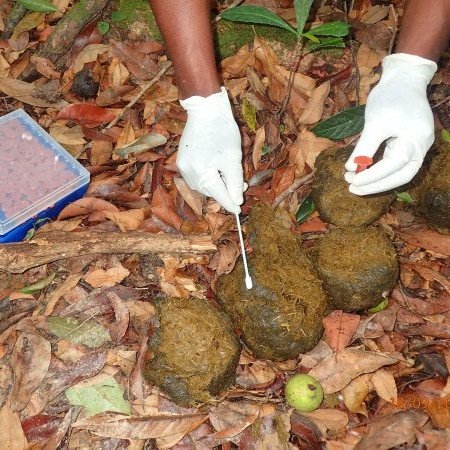
Although Isohelix buccal swabs have been primarily designed for buccal applications, they have been used extensively for other applications, including skin, hard-surface sampling, teeth and gums, tongue, and stool/faecal samples.

If you have any queries about other tissues or sampling areas, please refer to Isohelix for further information.