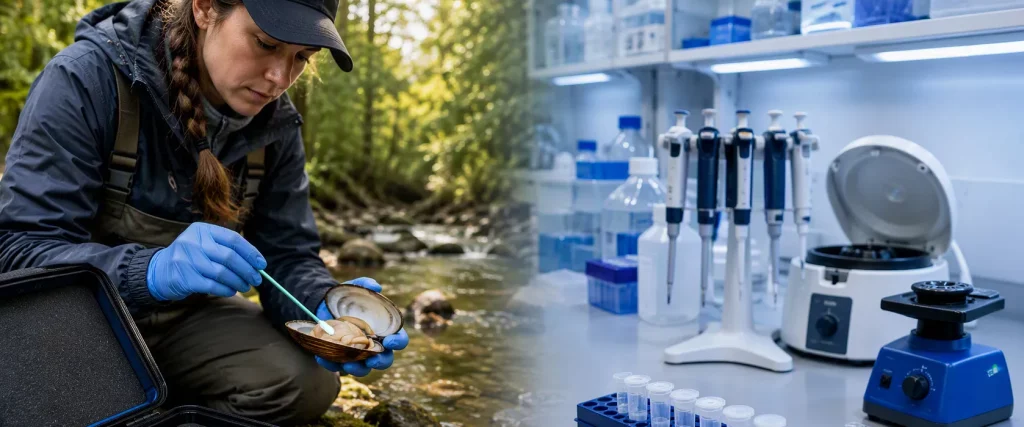
The success of any genomics project depends on the quality of the DNA sample. Whether researchers are conducting genotyping, next-generation sequencing (NGS), molecular diagnostics, or biobanking studies, preserving DNA integrity from the moment of collection is essential. Effective DNA preservation methods help prevent degradation, maintain sample quality, and ensure reliable downstream results.
As sample collection increasingly takes place outside traditional laboratory settings, researchers need preservation solutions that can withstand transport and long-term storage without compromising DNA quality. Isohelix has developed a range of collection and stabilization technologies designed to support these requirements for both buccal swab and saliva samples.
Why DNA Preservation Matters
DNA can degrade when exposed to moisture, heat, microbial contamination, and naturally occurring enzymes. If samples are not stabilized quickly, researchers may experience reduced DNA yield, fragmented genetic material, and lower-quality analytical results.
Implementing appropriate DNA preservation methods helps maintain the integrity of samples throughout collection, transportation, storage, and extraction. This is particularly important for applications such as PCR, qPCR, sequencing, and long-term biobanking projects.
1. Stabilize Samples Immediately After Collection
One of the most important steps in DNA preservation is minimizing the time between collection and stabilization. Rapid stabilization helps prevent degradation and protects DNA from environmental factors that can affect sample quality.
Chemical stabilization solutions are especially valuable for field collections and decentralized studies because they preserve DNA directly after collection while enabling room-temperature storage and transport. Isohelix stabilization systems are designed specifically to maintain sample integrity without relying on cold-chain logistics.
2. Select the Right Collection Method
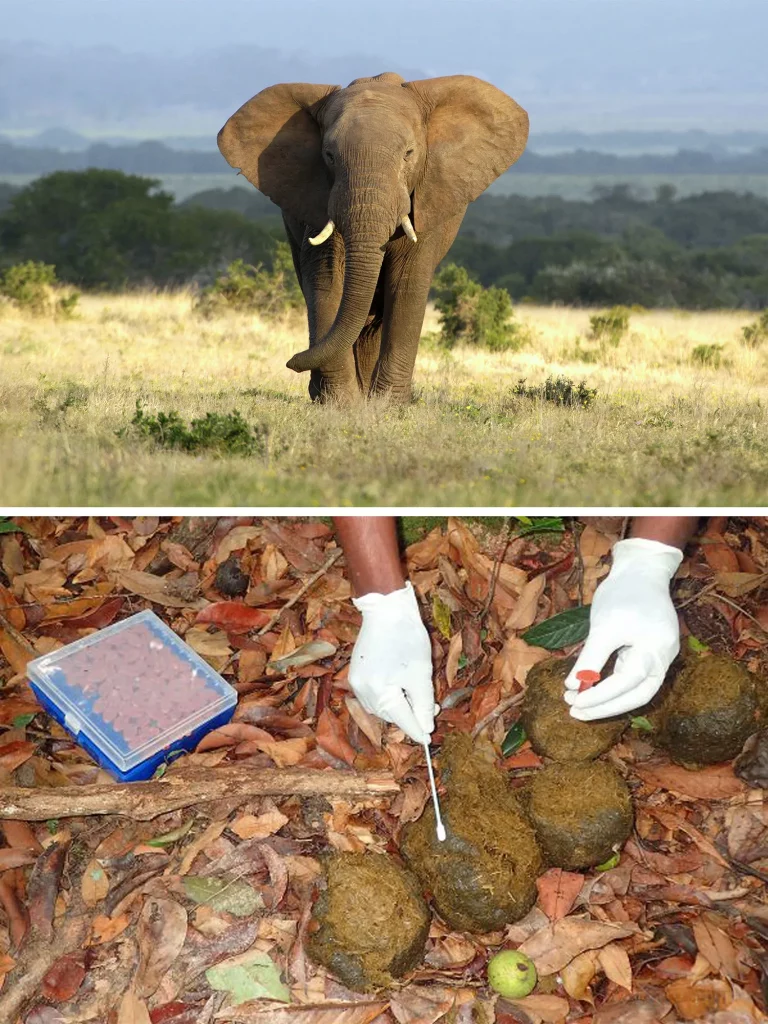
High-quality preservation starts with high-quality sample collection. Buccal swabs and saliva are popular choices because they are non-invasive, easy to collect, and suitable for large-scale studies.
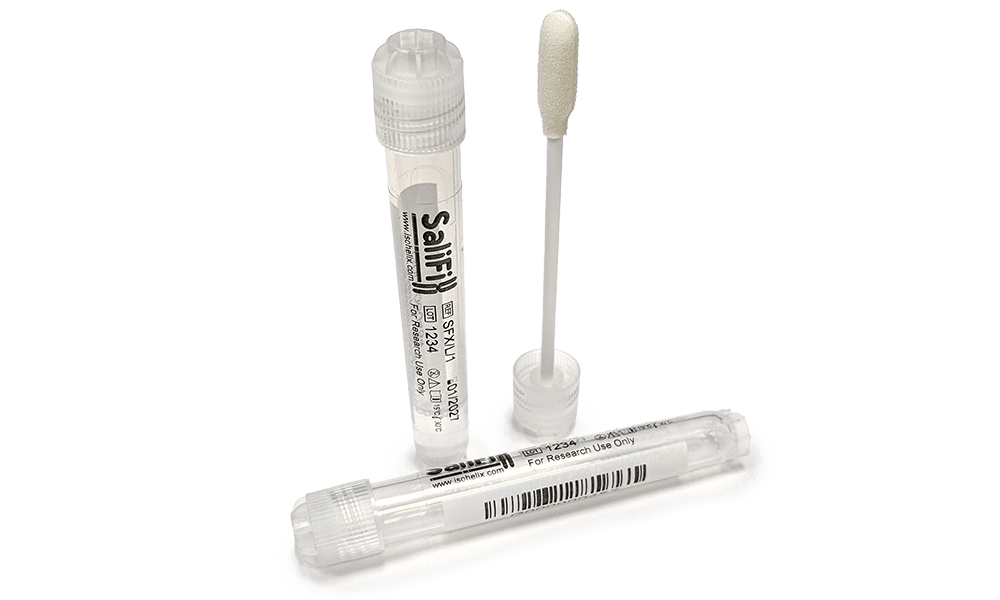
Isohelix buccal swabs are engineered with a unique collection matrix that maximizes cell capture, helping researchers obtain higher DNA yields. These swabs are widely used in applications ranging from genetic research and clinical studies to forensics and animal genomics.
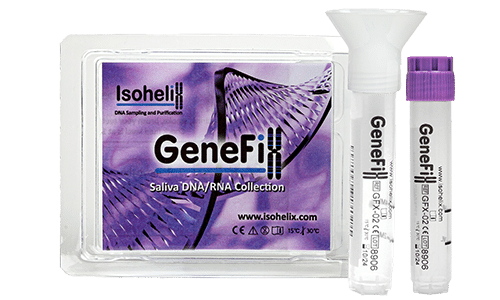
For projects requiring higher DNA quantities, GeneFix™ saliva collection devices combine simple collection with integrated stabilization technology to protect samples during transport and storage.

3. Protect Samples from Moisture
Moisture is a major contributor to DNA degradation. Dry-state preservation is therefore one of the most effective DNA preservation methods, particularly for buccal samples.
Isohelix Dri-Capsules are designed to create a low-moisture environment within the collection tube, helping stabilize DNA during long-term room-temperature storage. This approach can simplify study logistics while protecting sample quality over time.

4. Reduce Dependence on Freezer Storage
Traditional DNA preservation often relies on frozen storage. While effective, freezing can increase costs and create logistical challenges related to transportation and long-term storage.
Modern stabilization technologies allow samples to be stored and transported at room temperature, reducing the need for expensive cold-chain infrastructure. This is particularly beneficial for remote studies, global research projects, and large biobanking initiatives.
5. Consider Your Downstream Applications
Different applications require different levels of DNA quality. For example, PCR & SNP genotyping require don’t require as high quality samples as whole-genome sequencing and biobanking.
Choosing collection and stabilization systems that are optimized for genomic workflows can improve reproducibility and reduce sample failures. Isohelix solutions are designed to support a wide range of molecular biology applications while maintaining high DNA quality from collection through extraction.
6. Use Optimized Extraction Workflows
Preservation is only one step in the process. DNA extraction methods also play a crucial role in determining final yield and purity.
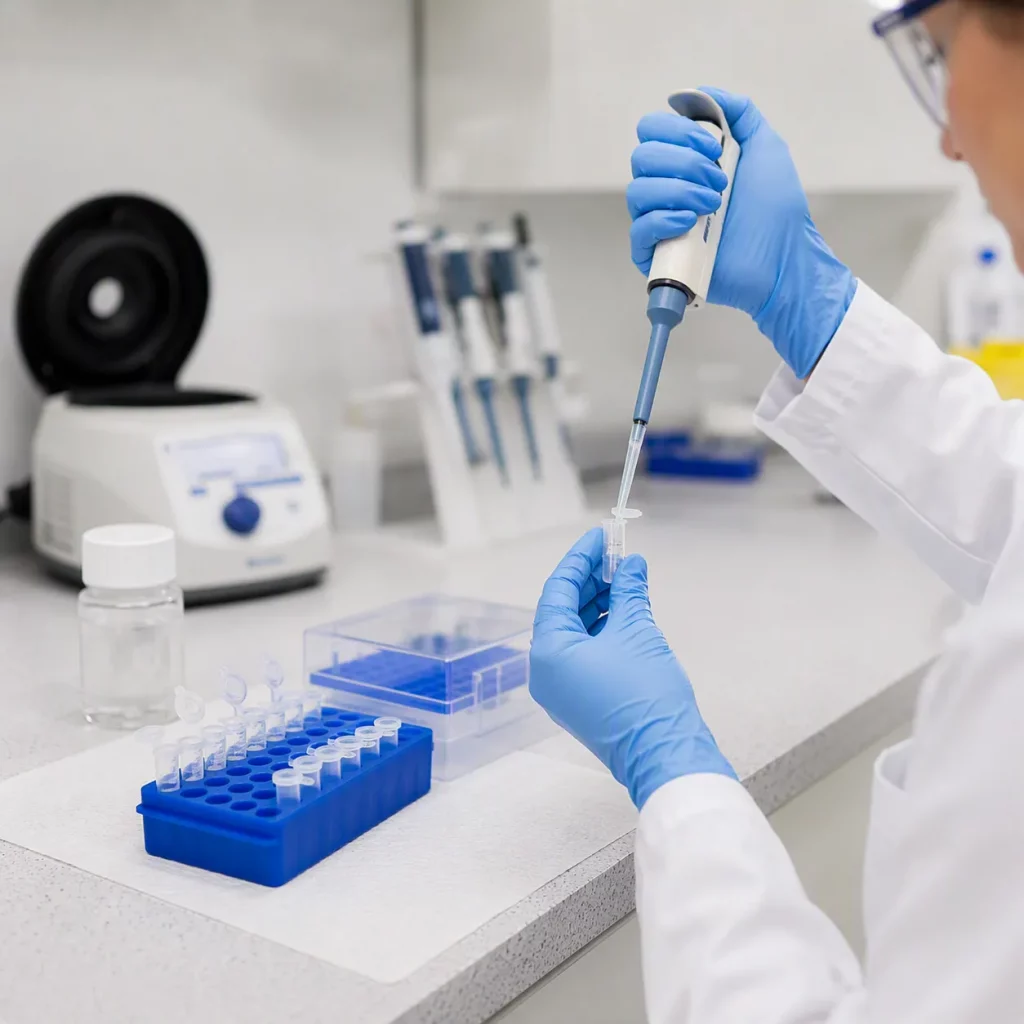
Isohelix extraction kits are specifically developed for buccal and saliva samples and are designed to integrate seamlessly with the company’s collection and stabilization products. This helps maximize DNA recovery and supports reliable downstream analysis.
Conclusion
Successful genomic research begins with proper sample preservation. By implementing effective DNA preservation methods, researchers can protect DNA integrity, improve yields, and ensure dependable results across a wide range of applications.
From buccal swabs and saliva collectors to advanced stabilization and extraction solutions, Isohelix provides an integrated approach to DNA preservation that supports field collection, laboratory workflows, and long-term storage. As genomics continues to expand into larger and more geographically distributed studies, robust preservation strategies will remain essential for generating high-quality genetic data..




 Email Us
 Call Us