
Buccal swab collection is a proven and widely used method for obtaining human DNA for genomics research, biobanking, clinical studies, and molecular testing. By collecting epithelial cells from the inner cheek, researchers can obtain high-quality genomic DNA using a non-invasive procedure that is easy to perform and well accepted by participants.
For successful downstream analysis, sample quality starts at the point of collection. DNA yield, purity, and stability are all influenced by the collection device, sampling technique, and storage conditions.
Why Buccal Swabs Are Used for DNA Collection
Compared with blood sampling, buccal swabs offer a practical alternative for large-scale studies and remote collection programmes. They are easy to use, require minimal training, and simplify sample transport and storage.
Buccal samples are commonly used for:
- PCR and qPCR analysis
- SNP genotyping
- Pharmacogenomics studies
- Population genetics research
- Biobanking projects
- Next-generation sequencing (NGS)
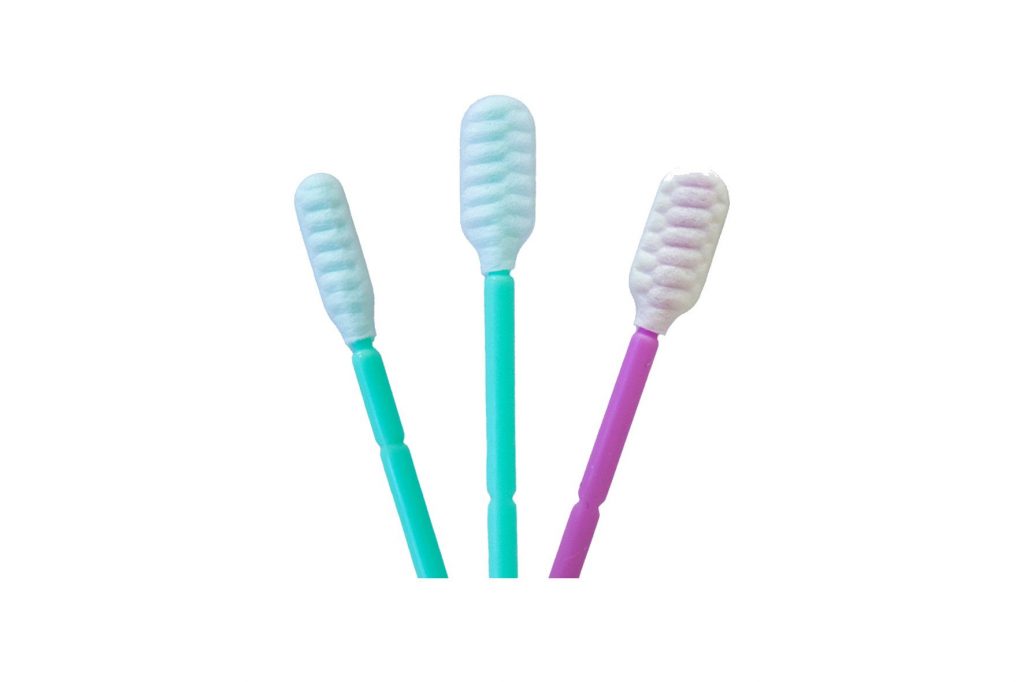
The key to generating reliable results is collecting sufficient epithelial cells rather than saliva alone.
The Importance of Effective Cell Collection
The inner cheek continuously sheds epithelial cells that contain genomic DNA. During collection, the swab should be rubbed firmly against the cheek surface to maximise cell recovery.
Insufficient swabbing can lead to:
- Lower DNA yields
- Inconsistent sample quality
- Reduced assay performance
- Repeat sample collection
Following a standardised collection protocol helps ensure consistent results across participants and study sites.
Buccal Swab Collection Best Practices & Steps
Before collecting a sample, participants should avoid eating, drinking, smoking, or chewing gum for at least 30 minutes. This helps minimise contamination and improves sample quality.
For optimal collection, the following steps should be followed:
- Open & Remove: Gently remove the sterile swab from its packaging without touching the collection head.
- Position: Place the swab against the inside of the cheek.
- Swab: Rotate and move the swab across the cheek surface while maintaining firm pressure.
- Collect: Continue swabbing for approximately 30–60 seconds.
- Repeat: Repeat on the opposite cheek if required by the study protocol.
- Storage/Package
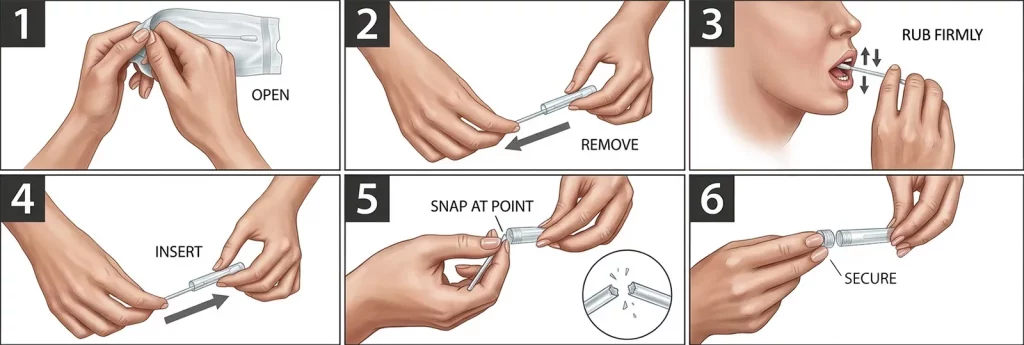
The objective is to collect a high number of epithelial cells to support efficient DNA extraction and downstream analysis.
Using Isohelix Buccal Swabs
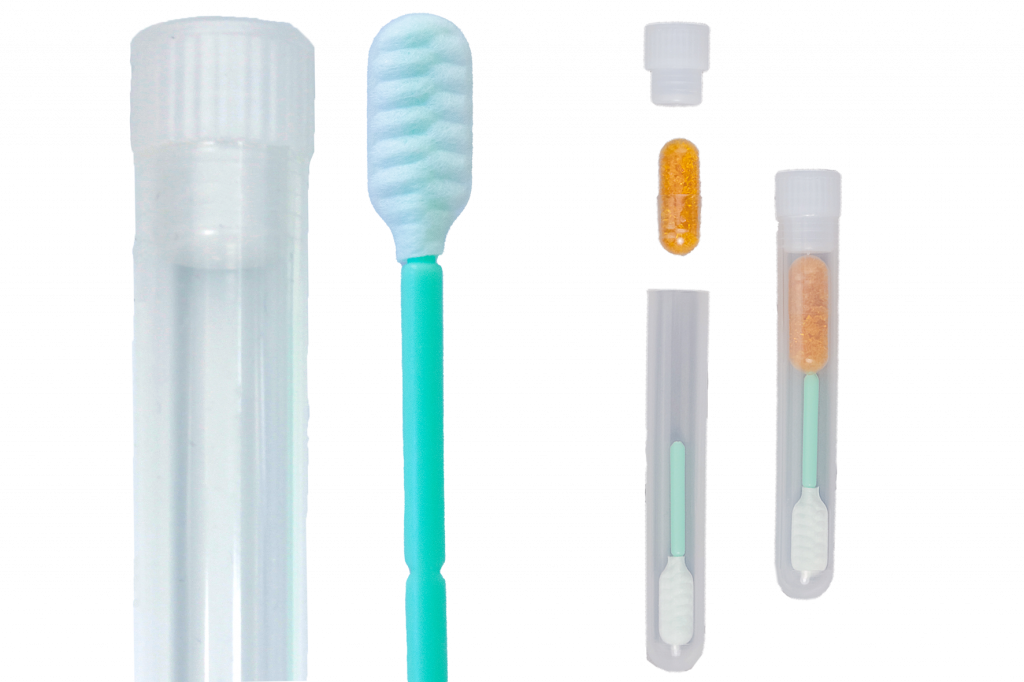
Isohelix buccal swabs have been developed specifically for DNA and RNA collection and are designed to be easy to handle and quick to use. The Isohelix SK-1S swab includes a 5 ml storage tube and can include Isohelix Dri-Capsules for ambient DNA stabilisation and transport.
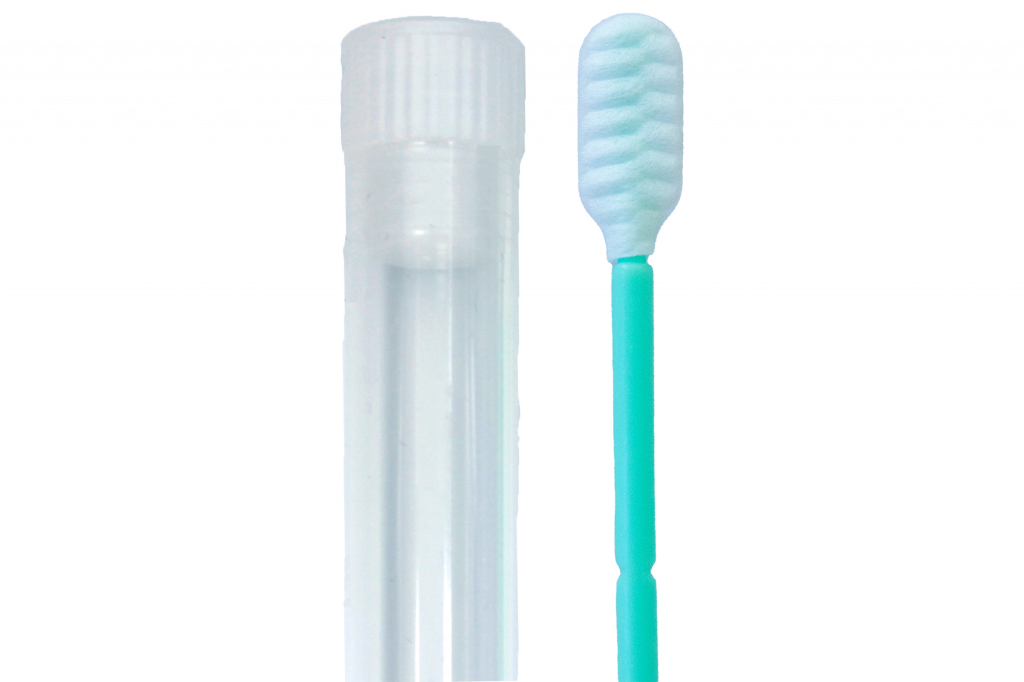
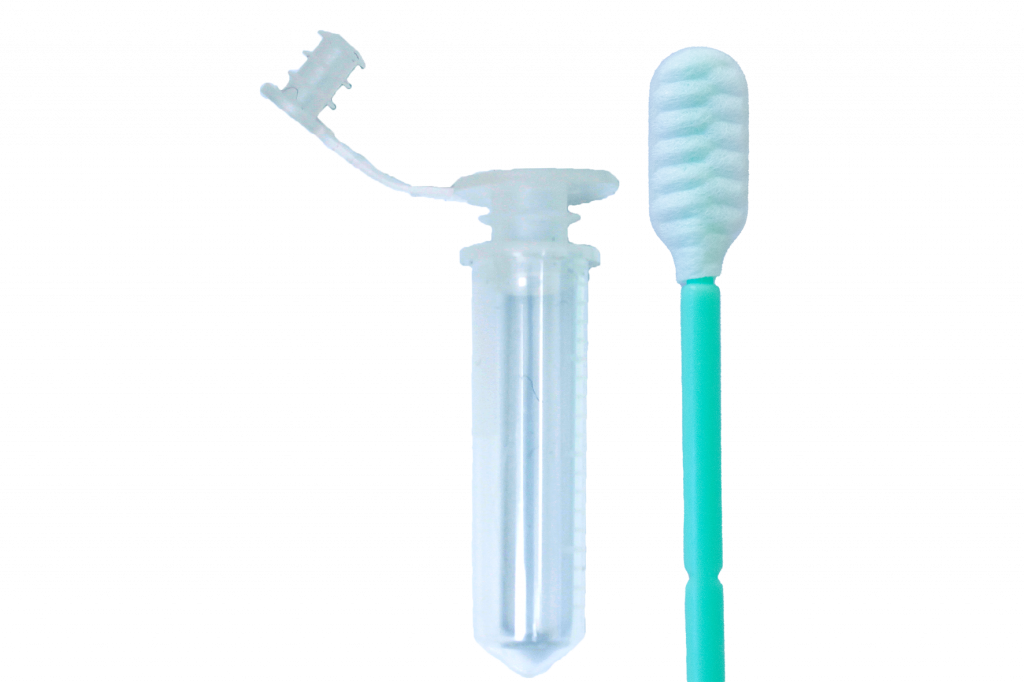

For studies requiring longer-term storage before DNA extraction, Isohelix recommends stabilisation using BuccalFix stabilising reagents, Dri-Capsules, or frozen storage conditions, depending on the workflow requirements. The stabilisation options help preserve DNA integrity during transport and storage.
DNA Stability and Storage
Maintaining nucleic acid integrity after collection is just as important as the sampling process itself. Poor storage conditions can lead to DNA degradation, reduced yields, and greater variability between samples, potentially impacting downstream analyses.
Isohelix has developed a range of collection and stabilisation solutions designed to help preserve sample quality while simplifying logistics. Depending on study requirements, researchers can choose from chemical and non-chemical stabilisation approaches that support long-term ambient storage and transportation without the need for expensive cold-chain infrastructure.
Available options include:
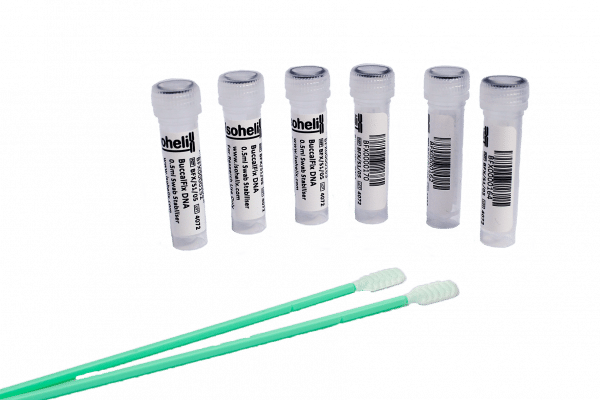

Maintains DNA integrity, improves DNA yield and purity, and inhibits enzymatic and microbial activity to preserve sample quality from collection through analysis.
A liquid-free solution that stabilises DNA on the swab, reduces the risk of cross-contamination, and is particularly suitable for remote or field-based sample collection.
Provides rapid DNA self-stabilisation immediately after collection through a simple, integrated workflow, helping preserve sample integrity while streamlining collection and handling.
By combining high-yield buccal swabs with validated preservation technologies, researchers can improve sample integrity from collection through to extraction, helping to generate more reliable and reproducible genomic data.
Supporting Reliable Genomics Research
High-quality DNA collection is fundamental to successful molecular analysis. Factors such as collection technique, swab design, and sample stabilisation all influence the quality of the final DNA sample.
By following established buccal collection best practices and using purpose-designed collection devices, researchers can maximise DNA yield, improve sample consistency, and support reliable downstream applications ranging from PCR to next-generation sequencing.




 Email Us
 Call Us