
Genomic research is at the heart of efforts to understand, detect and treat cancer. From identifying hereditary risk variants to characterising tumour biology, the quality of genetic analysis depends on the quality of nucleic acid samples analysed.
Whether samples are collected in the lab or remotely, extracted nucleic acids must be able to support sensitive downstream applications such as genome-wide association studies (GWAS), next-generation sequencing (NGS) and epigenetic analyses.
Isohelix sample collection, stabilisation and extraction products have been designed to meet this challenge. Combining non-toxic, guanidinium-free chemistry with high-yield collection formats and a room-temperature storage capability of up to 60 months, Isohelix products are trusted by researchers around the world for their sample collection needs.
In this article, we present four studies where Isohelix products have been used for different aspects of cancer research:
- Identifying Breast Cancer Risk in Younger Women: The BCAN-RAY Study
- Expanding Access to BRCA Testing: The BRCA-DIRECT Study
- Oral Microbiome Disruption as a Marker of Oral Cancer
- Genomic Biomarkers of Chemoradiation Response in Cervical Cancer
Identifying Breast Cancer Risk in Younger Women: The BCAN-RAY Study
The Breast Cancer Risk Assessment in Younger Women (BCAN-RAY)[i] study began in May 2023. This ongoing study aims to evaluate a comprehensive breast cancer risk assessment strategy among a diverse ethnic and socioeconomic population of women aged 30–39 years, without a strong family history of breast cancer.
The study recruited 250 women previously diagnosed with breast cancer alongside 750 control participants aged 30–39 years. None of the participants had a strong family history of the disease.
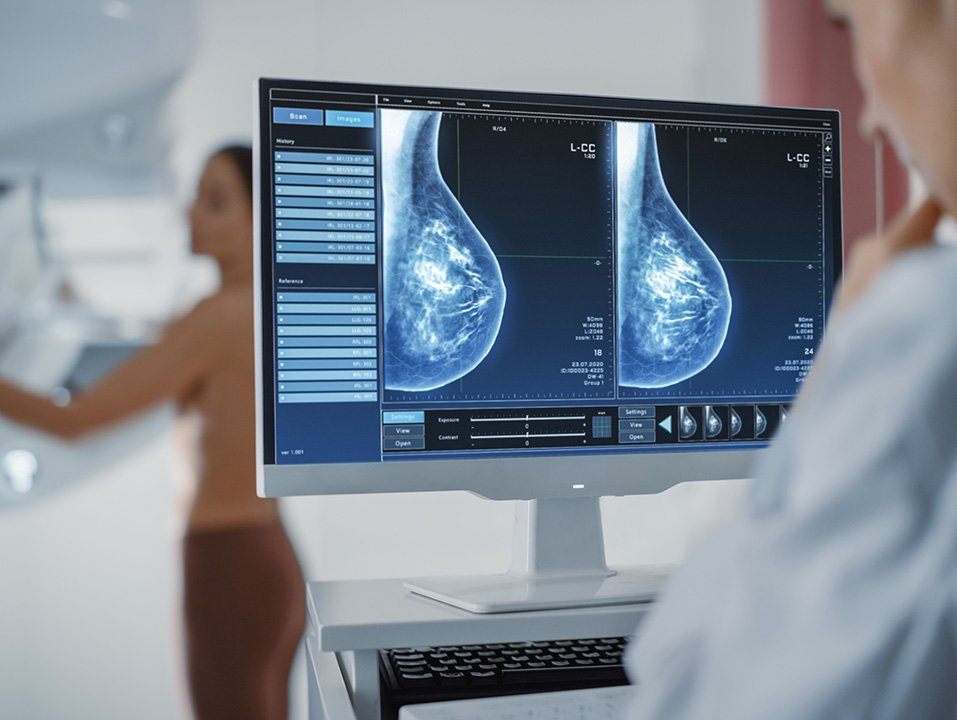
Control participants complete questionnaires about breast cancer risk factors, undergo low-dose mammograms, and donate a saliva sample which is collected using Isohelix GeneFix Saliva Collection Kits. Saliva samples are used to analyse the genetic makeup of all participants and identify those at higher risk using a tool called a polygenic risk score, which is a powerful predictor of breast cancer risk.
Expanding Access to BRCA Testing: The BRCA-DIRECT Study
A second breast cancer study, the BRCA-DIRECT study[ii] aims to provide an easy way for patients with breast cancer to access genetic testing within the NHS, and examines the feasibility, safety, and acceptability of a digital information model.
The study investigates the BRCA1, BRCA2, and PALB2 genes, which are associated with hereditary breast cancer. The identification of a pathogenic variant in one of these genes can have health implications for patients and their relatives.
Participants provide a saliva or blood sample and access a digital platform. Family history details are collected, and information gathered about the donor’s general knowledge of BRCA testing. Participants were asked about their anxiety levels at different points in the process. Half of all those who took part saw digital information, and half booked a standard appointment with genetic counsellors.
Participants are then randomized to receive their results digitally or by booking a telephone appointment with a genetic counsellor. Everyone who has a positive result is then referred to their local clinical genetics team. If the digital pathway is successful, the concept could be expanded to other cancers and hospitals.
Oral Microbiome Disruption as a Marker of Oral Cancer
The oral microbiome is increasingly recognised as a potential biomarker for diseases including oral cancer. In the publication, “Differences in the bacteriome of swab, saliva, and tissue biopsies in oral cancer” (Gopinath et al 2021[iii]), researchers characterised the bacteriome of saliva, swab, and tissue biopsy samples.
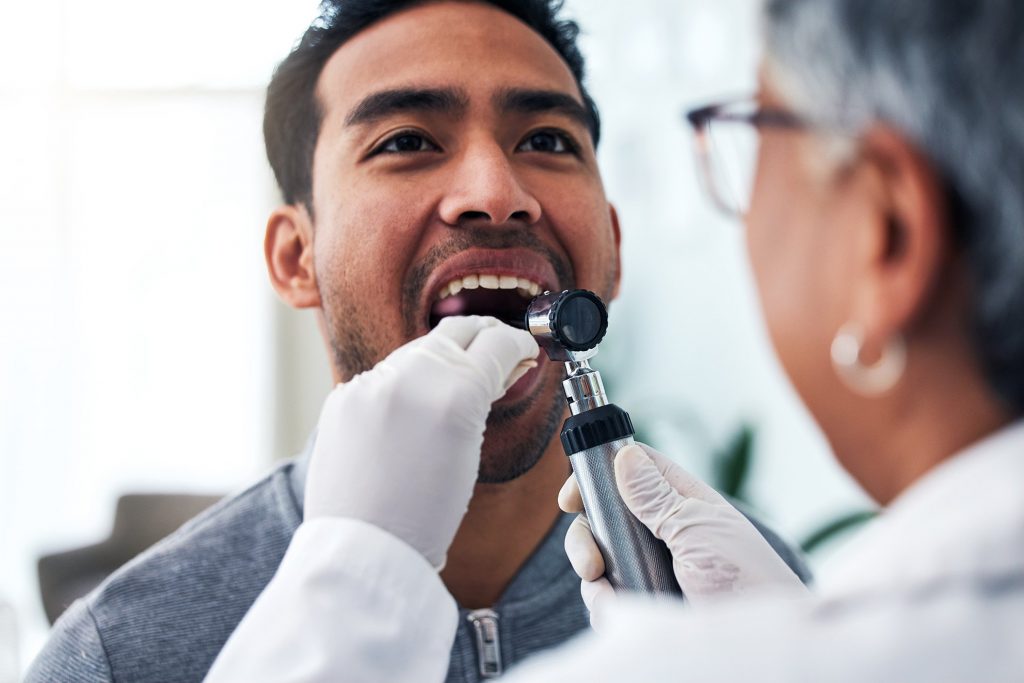
Isohelix sample collection products were used to collect samples, which were analysed using MiSeq sequencing to compare the bacterial communities of oral cancer patients to those of normal healthy controls in Indian cohorts. The study found significant variation in the bacterial flora in whole mouth fluid (WMF), tumor tissue and the tumor surface. The oral bacteriome of patients with oral cancer differed from that of healthy mouths, and these variations were not restricted to oral cancer tissues.
The ability to detect cancer-associated microbiome signatures using saliva rather than tissue biopsy has obvious clinical potential. The non-invasive longitudinal monitoring of microbiome composition in high-risk patients could offer an early warning system for malignant progression without the need for repeated invasive procedures.
Genomic Biomarkers of Chemoradiation Response in Cervical Cancer
In the final featured study, by Nolasco et al[iv] (2025), genomic changes were investigated as biomarkers of chemoradiation therapy response in locally advanced cervical cancer.
Locally advanced cervical cancer is typically treated with concurrent chemoradiation therapy (CRT), but clinical responses vary considerably between patients. Identifying genomic biomarkers that can predict or monitor treatment response would enable clinicians to personalise care and potentially intervene earlier in patients who are not responding as expected.
Using Isohelix sample collection and processing technology to obtain high-integrity DNA from study participants, the investigators evaluated whether genomic alterations detectable before and during treatment could serve as indicators of response or resistance to chemoradiation therapy. The study found that genomic changes can be observed before and after CRT in cervical cancer, but further validation is needed to determine their clinical utility in guiding CRT outcomes.

This study exemplifies a rapidly growing application area for non-invasive DNA collection: serial sampling across the course of treatment. Isohelix GeneFix™ devices stabilise DNA immediately upon collection and require no cold storage, so the same participant can donate samples at multiple time points, in the clinic, at home, or at a local collection point, without compromising sample quality. This longitudinal flexibility is increasingly important as cancer research moves toward real-time monitoring of treatment response.
Why Researchers Choose Isohelix for Cancer Genomics
As cancer genomics continues to evolve towards larger cohorts, more sensitive assays, longitudinal monitoring, and increasingly personalised treatment decisions, the need for reliable, accessible, and scalable sample collection solutions continues to grow.
Across each of these studies, Isohelix products provided reliable, high-quality DNA and RNA samples enabling cancer researchers to generate meaningful results.
Several features make Isohelix particularly well-suited to cancer genomics research:
- Non-invasive collection: Saliva and buccal swab sampling removes barriers to participant recruitment, particularly for community-based studies and those involving patients who may find repeated venepuncture difficult or distressing.
- Room-temperature stability: GeneFix™ products stabilise DNA at room temperature for up to 60 months, eliminating cold chain requirements and making postal sample collection straightforward
- Guanidinium-free chemistry: All GeneFix™ stabilisation buffers are non-toxic and guanidinium-free, making them safe for participants to handle at home and compliant with standard postal regulations.
- High-yield, high-purity DNA: Isohelix extraction kits are optimised to work with GeneFix™ collectors, delivering DNA of sufficient purity and integrity for demanding applications including GWAS, whole-genome sequencing and microbiome analysis.
- Scalability: Isohelix products are available in formats suitable for studies ranging from small, single-site investigations to large-scale biobanking programmes enrolling thousands of participants.
To find out how Isohelix can support your cancer research programme, visit www.isohelix.com or contact our team to discuss your sample collection requirements.
[i] Breast Cancer Risk Assessment in Younger Women (BCAN-RAY) study. Manchester University NHS Foundation Trust / Cancer Research UK (ACED). Ongoing.
[ii] https://doi.org/10.1186/ISRCTN87845055
[iii]Gopinath, D., Menon, R.K., Wie, C.C. et al. Differences in the bacteriome of swab, saliva, and tissue biopsies in oral cancer. Sci Rep 11, 1181 (2021). https://doi.org/10.1038/s41598-020-80859-0
[iv] Nolasco B, Ehsan S, Wang R et al.Evaluating Genomic Changes as Biomarkers of Chemoradiation Therapy Response in Locally Advanced Cervical Cancer International Journal of Radiation Oncology, Biology, Physics, 123e368




 Email Us
 Call Us