
The ability to collect high-quality nucleic acid samples in the field is key to conservation, population genetics, epidemiology, forensics, and environmental genomics.
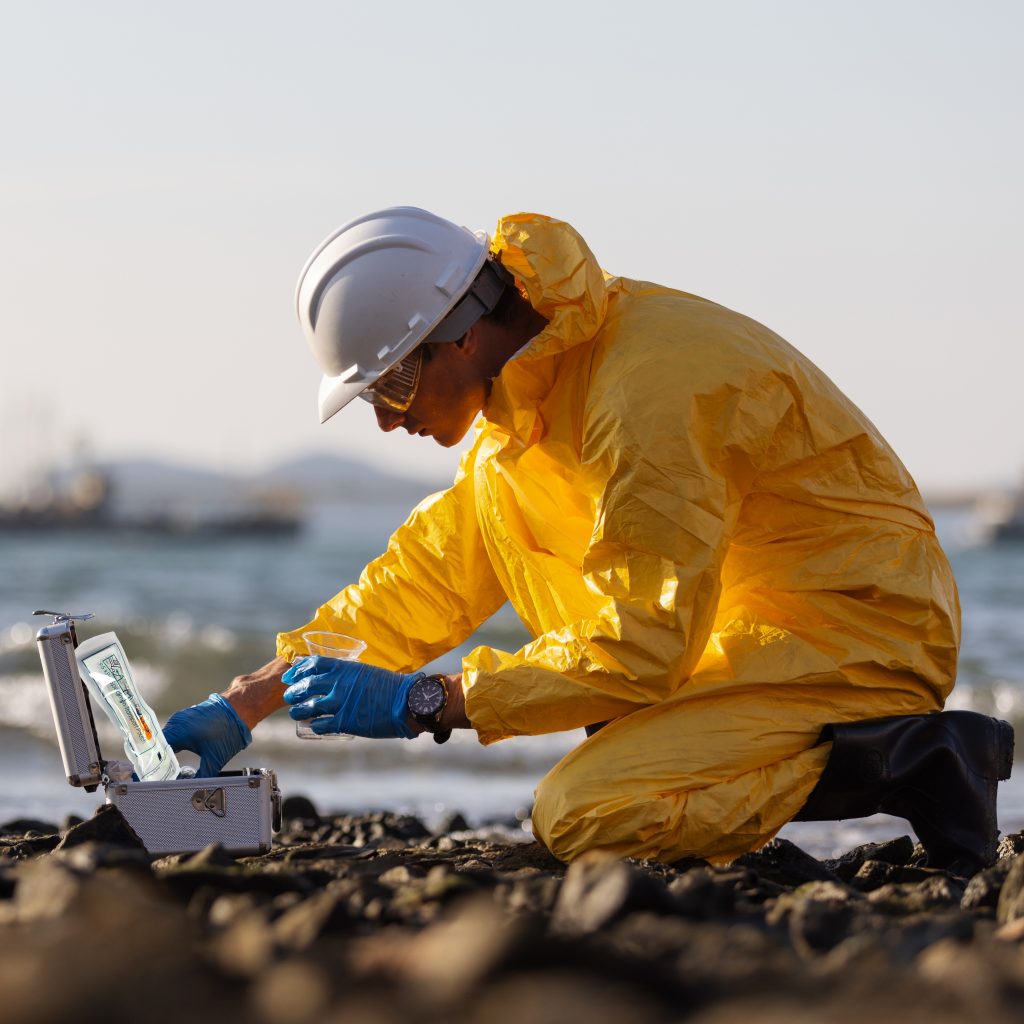
However, collecting samples outside the lab can involve working in extreme environments, with unpredictable temperature changes, high humidity, exposure to dust and dirt, and the presence of water.
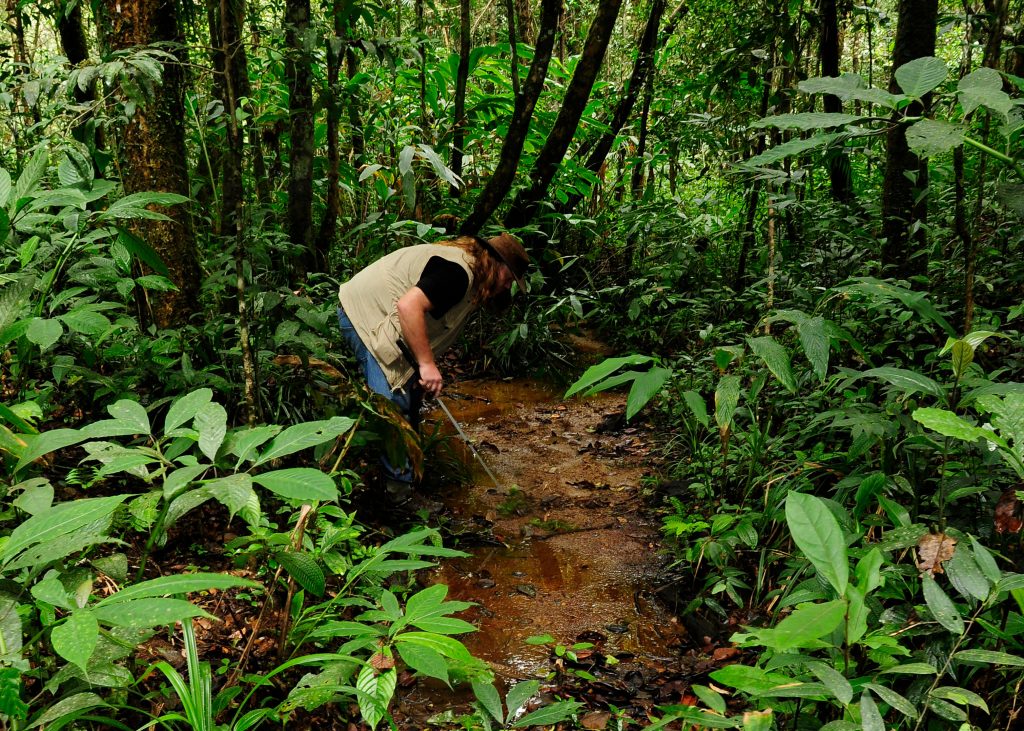
Read on to find out how scientists are using Isohelix products to collect high-quality nucleic acid samples from a range of environments, such as jungles, deserts, marine environments, and even from space!
The Challenges of Collecting Biological Samples in Extreme Environments
In the lab, it is relatively easy to collect and store biological samples. However, outside the lab, the sample collection and extraction workflow must be carefully considered to produce good results.
Extreme environments expose your precious samples to:
- Thermal stress from tropical sun or hot transport vehicles, which can accelerate DNA degradation.
- Humidity and water in rainforests, monsoons, wetlands, or coastal areas, which may enable microbial growth and the enzymatic breakdown of your samples.
- Dust, grit, salt, and other inhibitors from dirty environments, which may interfere with downstream PCR/NGS workflows.
Stabilising DNA at the point of collection
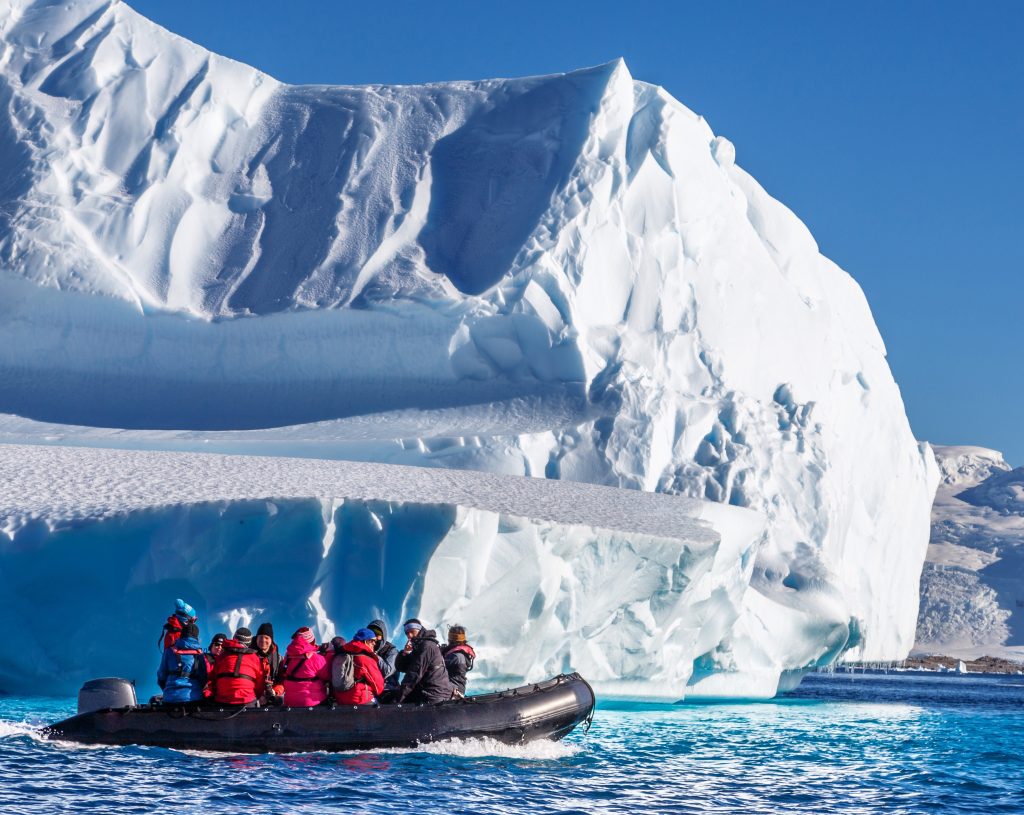
Maintaining a cold chain for sample collection, storage, and shipment is particularly challenging when working in the field. With no power available for cold chain shipping and storage, logistics delays may mean that samples are not dealt with for a long time. For teams sampling in deserts, polar regions, offshore locations, or remote rainforest sites, maintaining sample stability at ambient temperatures can be the difference between success and failure.
Isohelix stabilization reagents maintain DNA integrity for several years without refrigeration or freezing. This not only reduces costs but also safeguards sample quality throughout shipping and long-term storage.
Isohelix stabilization chemistries are designed to protect nucleic acids immediately upon collection, enabling reliable downstream performance for sensitive applications such as microarray analysis, RT-PCR, and long-read sequencing.
Read our blog, https://isohelix.com/resources/how-to/how-to-maintain-the-integrity-of-dna-in-your-samples-without-freezing/,to find out more about Isohelix DNA Stabilization solutions.
Robust Packaging to Protect Samples
In extreme environments, contamination risks increase. Wind-blown dust, humidity, salt spray, mud, unsterile surfaces, and improvised field setups all increase the likelihood of introducing exogenous DNA or inhibitors. In these conditions, secure packaging and easy-to-handle collection kits are critical factors in maintaining sample integrity.
Robust packaging helps prevent:
- Physical damage to collection devices
- Seal failure during transit
- Exposure to moisture
- Environmental contamination during shipping
Isohelix’s robust, field-ready packaging helps ensure that what you analyse in the lab truly represents what was collected in the field. Isohelix swabs can be supplied individually wrapped and sterilised, ensuring that each device is protected from environmental exposure before use.
Isohelix collection tubes comply with UN3373 for leak-proof sample transport, which specifies that collection tubes must withstand a defined physical pressure differential of 95kPa. Transport packs for saliva and swab samples include an absorbent pad to contain leaks, a separate document pocket, and are tested to withstand 95kPa.
Click here to find out more about Isohelix packaging solutions
Summary
Isohelix kits and stabilization solutions empower researchers to collect reliable, high-quality DNA samples even in the most challenging field conditions. By safeguarding sample integrity through robust packaging, ambient temperature stabilization, and user-friendly collection devices, Isohelix enables vital research across diverse environments, from rainforests and deserts to the ocean and beyond.
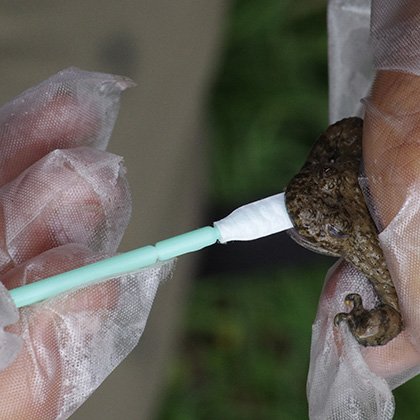
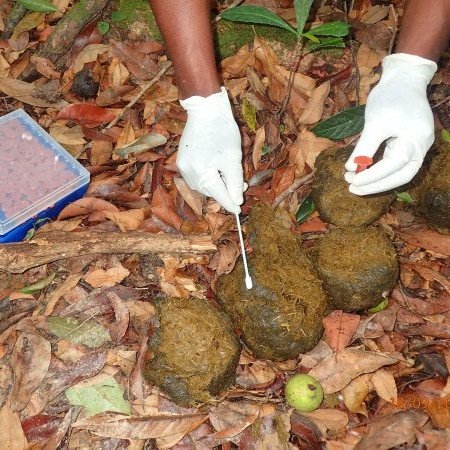

Check out the publications below to see some examples of how Isohelix’s DNA collection and stabilisation products have been used to collect and stabilize nucleic acid samples in a range of challening environments:




 Email Us
 Call Us