
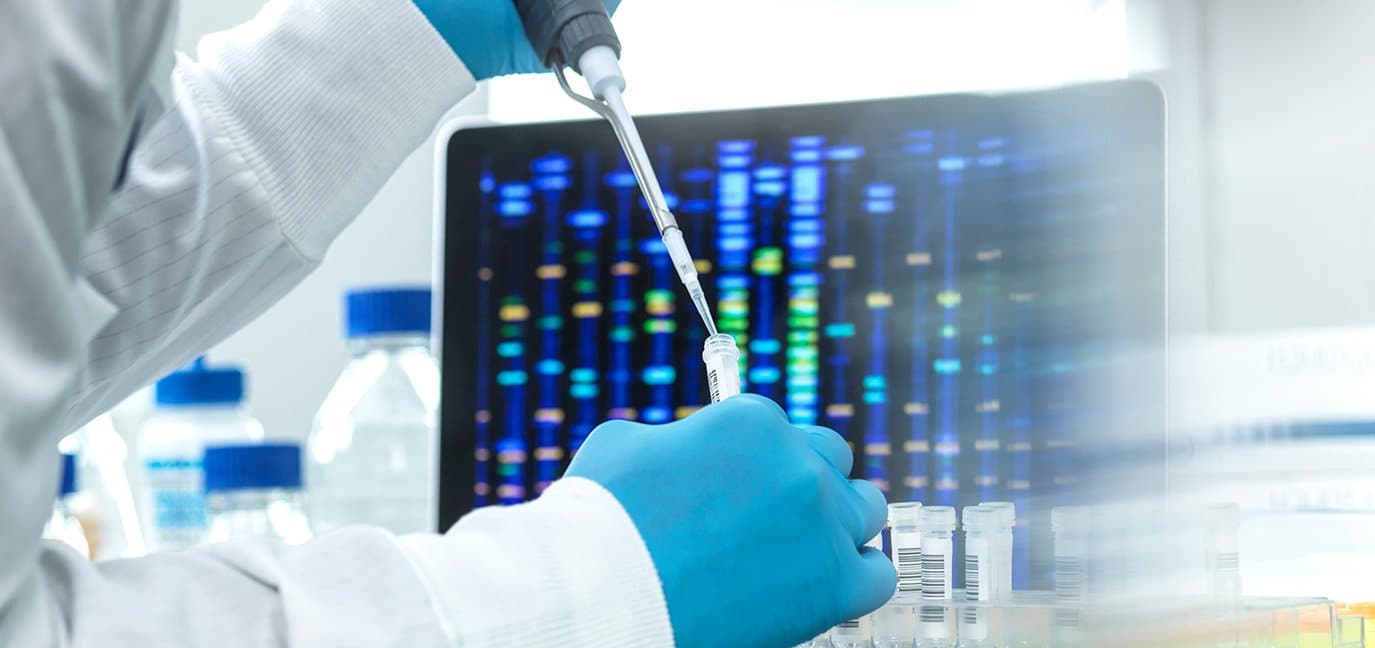
DNA sample stability underpins the reliability of all downstream analyses, from multi-year population studies to high-resolution sequencing workflows. As analysis techniques advance, the requirements for high-quality DNA increase.
This article discusses how to ensure the stability of your DNA samples, covering the following points:
- What threatens DNA stability?
- Do DNA samples need to be frozen for long term storage?
- Isohelix stabilization solutions for saliva & buccal swab samples
- Stabilizing DNA in saliva samples
- Stabilizing DNA in buccal samples
What Threatens DNA Stability?
The DNA integrity of a sample can be reduced during shipping and storage via several mechanisms :
- Endogenous nucleases and chemical components within saliva or buccal cells rapidly digest unprotected DNA.
- Freeze–thaw cycles mechanically shear DNA
- Microbial growth during shipping not only increases the proportion of microbial DNA in the sample, but also introduces reactive enzymes and metabolites that may further damage DNA.
These risks are amplified in large-scale studies involving at-home collection, where samples may spend several days in transit and experience wide fluctuations in ambient temperature. Ensuring stability from the moment of collection to laboratory processing is essential.
Do DNA Samples Need to Be Frozen for Long Term Storage?
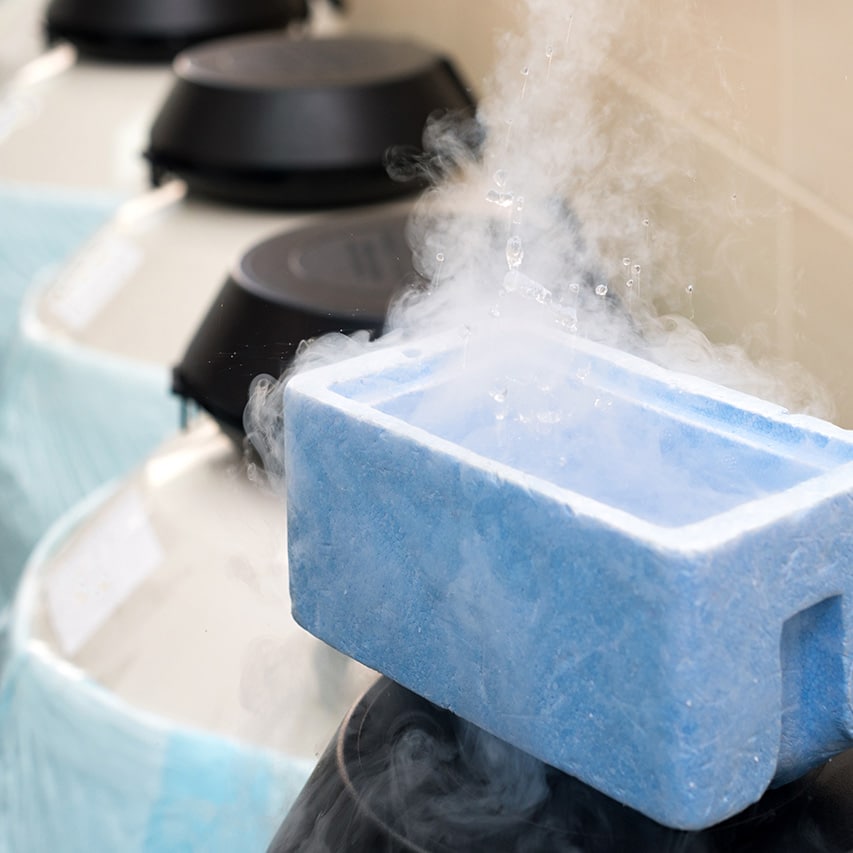
Historically, freezing was considered the only DNA sample preservation method. However, cold-chain shipping and freezing for long term storage introduces several challenges:
- High energy requirements and reliance on consistent freezer access
- Increased shipping weight due to ice or dry ice
- Risk of partial thawing, which triggers damaging freeze–thaw cycles
- Logistical complexity for shipping from remote or decentralised donors
Thanks to the introduction of room temperature nucleic acid stabilization reagents such as the Isohelix product range, freezing is no longer considered the best option.
Isohelix Stabilization Solutions for Saliva & Buccal Swab Samples
At Isohelix, our mission is to help researchers get the highest-quality DNA from every sample. Isohelix stabilization reagents maintain DNA integrity for several years without the need for refrigeration or freezing. This not only reduces costs but also safeguards sample quality throughout shipping and long-term storage.
The stabilization chemistries are designed to protect nucleic acids immediately upon collection, enabling reliable downstream performance for sensitive applications such as microarray analysis, RT-PCR, and long-read sequencing.
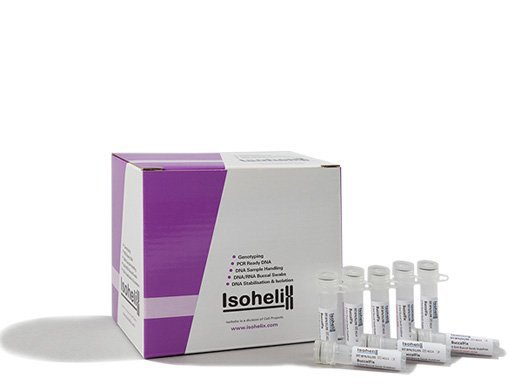
Isohelix stabilization kits :
- Maintain DNA yield and integrity during long-term room-temperature storage
- Eliminate the risk of freeze–thaw cycles during shipping
- Contain no hazardous chemicals, making them safe for home-based sampling
- Have been validated through extensive accelerated ageing studies
| Different workflows call for different formats, so we offer a suite of optimized solutions: |
|---|
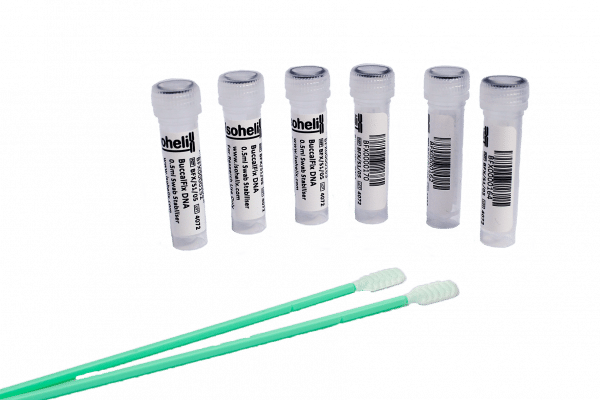
| Stabilizing DNA in Buccal Swab Samples: Isohelix BuccalFix™ DNA Stabilisation kits are specifically engineered for long-term room-temperature storage of buccal swab samples. BuccalFix not only preserves DNA integrity but also enables high-yield, high-purity extraction. |
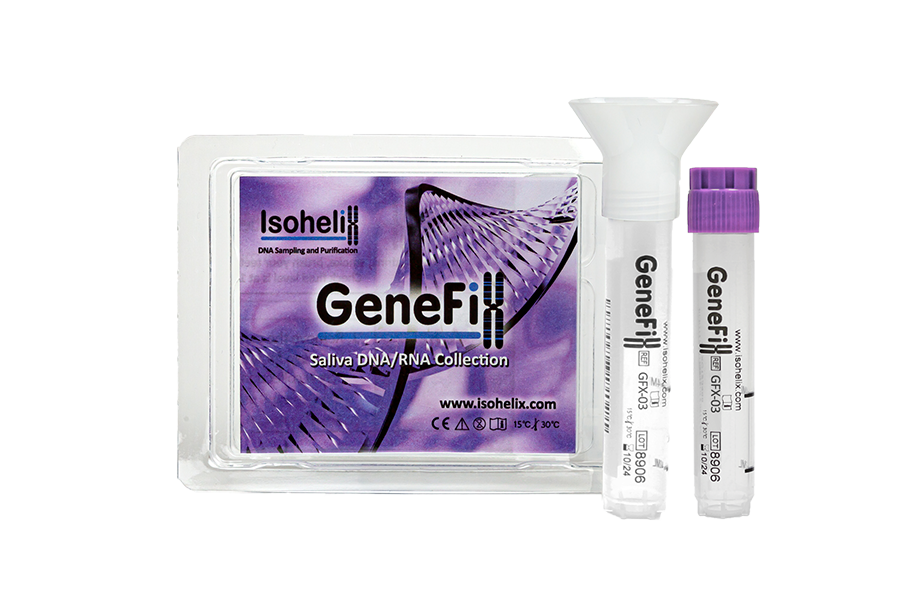
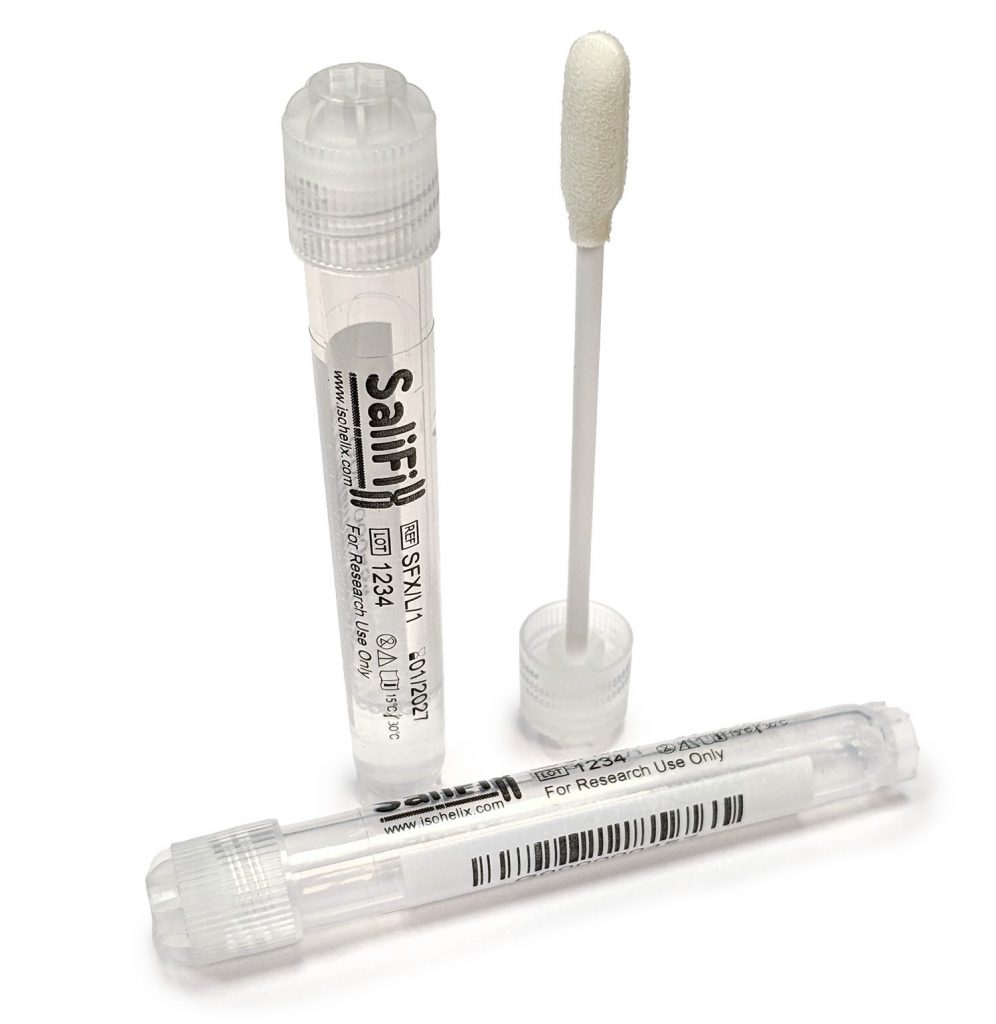
| Stabilizing DNA in Saliva Samples: For saliva-based workflows, Isohelix offers several tailored systems: • GeneFix™ Saliva Collection Kits – Prefilled tubes with DNA stabilization buffer – Available in 1 ml, 2 ml, and 3 ml saliva volumes – Maintain DNA stability at room temperature for extended storage or biobanking • SaliFix™ DNA/RNA Swab Collection Kits For studies preferring saliva collection using swabs, SaliFix is the recommended choice. SwabCatcher tubes prefilled with SaliFix buffer ensure rapid stabilization of nucleic acids in low-volume saliva swab samples. |
Summary
DNA preservation must begin at the point of collection. Inadequate swab design, poor-quality saliva tubes, or suboptimal chemistries can allow nuclease activity, microbial proliferation, or temperature fluctuations to compromise your samples before they ever reach the bench.
Sometimes, for example when biobanking, samples may need to be stored for several years, without deterioration.
Cold chain shipping and storage, and sample freezing is no longer the best option. Choosing the right collection device and stabilization chemistry is one of the most important steps you can take to protect your samples, whether you plan to analyse them tomorrow, or ten years from now.
Isohelix offer a range of stabilization solutions to fit different study requirements. If you’d like information on the full range of Isohelix stabilization solutions, or help selecting the best stabilization format for your study, contact us on info@isohelix.com.




 Email Us
 Call Us