
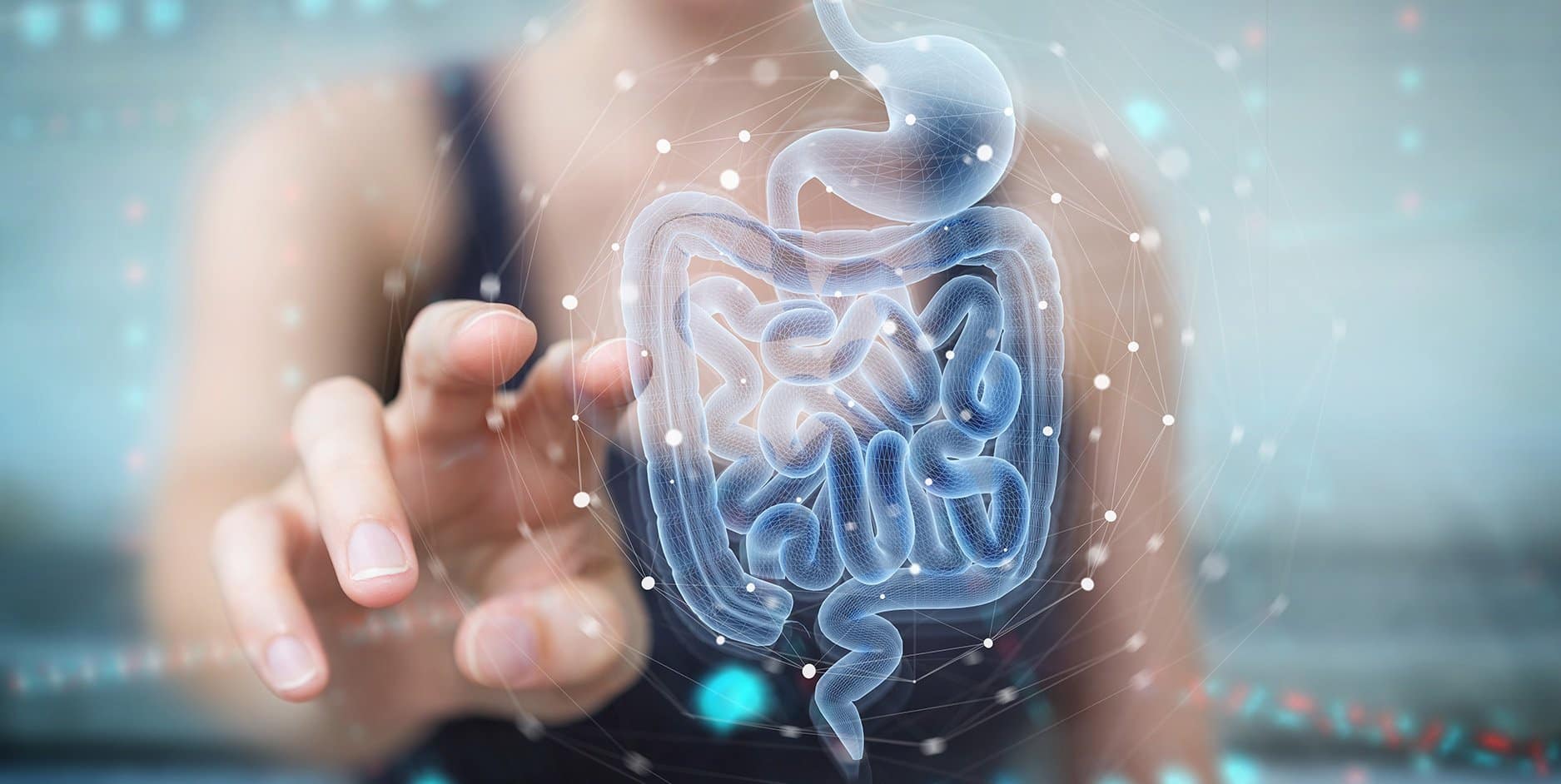
Microbiome research has evolved from descriptive microbial surveys to highly technical investigations into microbial function, host interaction, and molecular regulation. Advances in sequencing technologies and bioinformatics have revealed that microbiome data quality is strongly influenced by pre‑analytical variables, including sample collection, stabilisation, and DNA preservation. Understanding these technical considerations is essential for generating reproducible, biologically meaningful results.
Below are key microbiome insights framed from a technical and analytical perspective, highlighting the molecular complexity of microbial communities and the importance of robust sampling methodologies.
1. The Microbiome Represents a Complex Genetic System
The microbiome is not merely a collection of microorganisms but a dynamic genetic network. Microbial genomes encode metabolic and regulatory pathways that interact directly with host physiology. From an analytical standpoint, this genetic complexity necessitates sampling systems capable of preserving community‑level DNA integrity to ensure accurate functional and taxonomic profiling.
2. Microbial Community Structure Is Highly Sensitive to Environmental Change
Once removed from the host or environment, microbial communities can rapidly shift due to oxygen exposure, temperature fluctuations, and residual metabolic activity. These alterations may occur within minutes to hours, emphasising the need for immediate DNA stabilisation at the point of collection to maintain in vivo community composition.
3. Low-Abundance Taxa Are Particularly Vulnerable to Bias
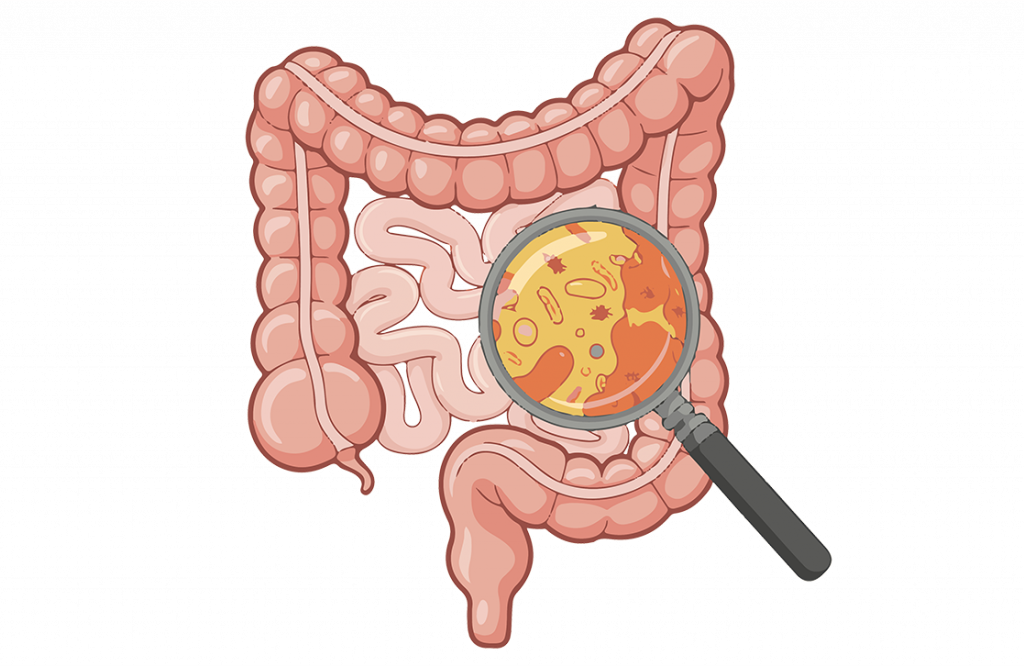
Rare microbial species often play disproportionally important functional roles, yet they are highly susceptible to degradation and sampling bias. Inadequate collection or stabilisation may result in selective loss of these taxa, distorting diversity metrics and functional inference during sequencing analysis.
Isohelix collection technologies are designed to support consistent microbial recovery and protect DNA across the full abundance spectrum.
4. The Oral Microbiome Is a Technically Challenging Sampling Environment
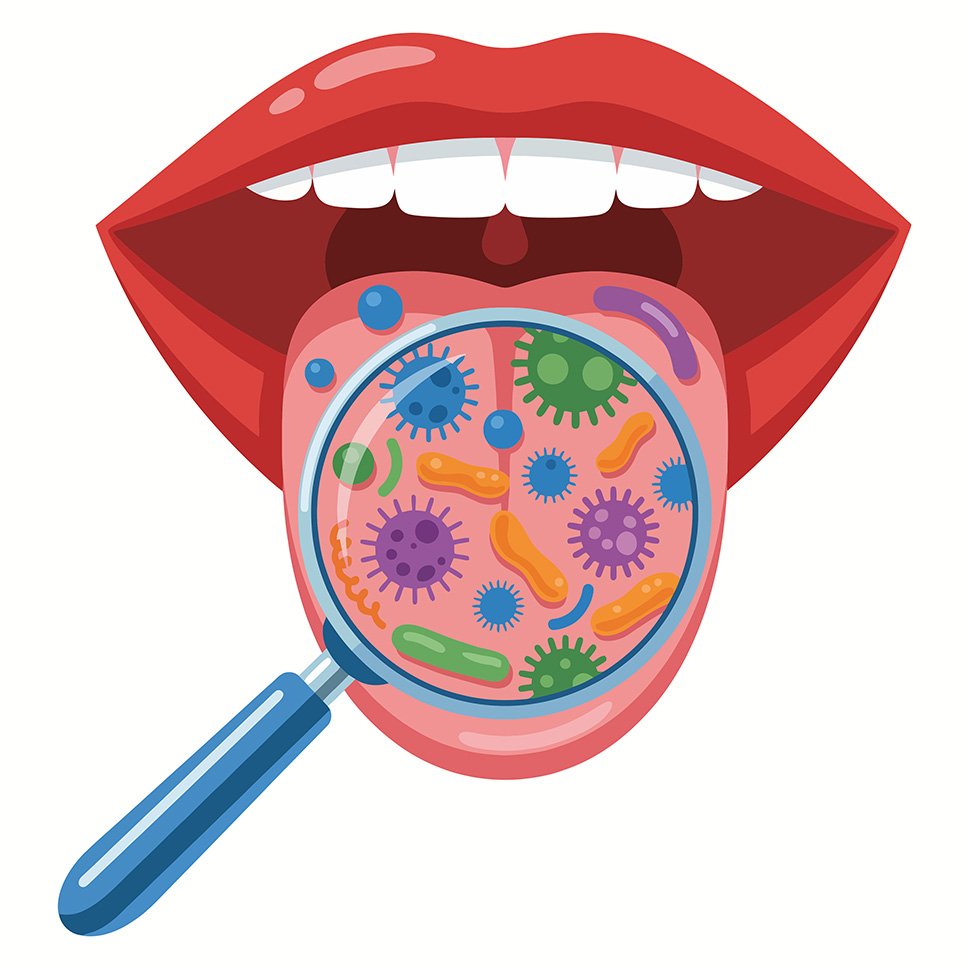
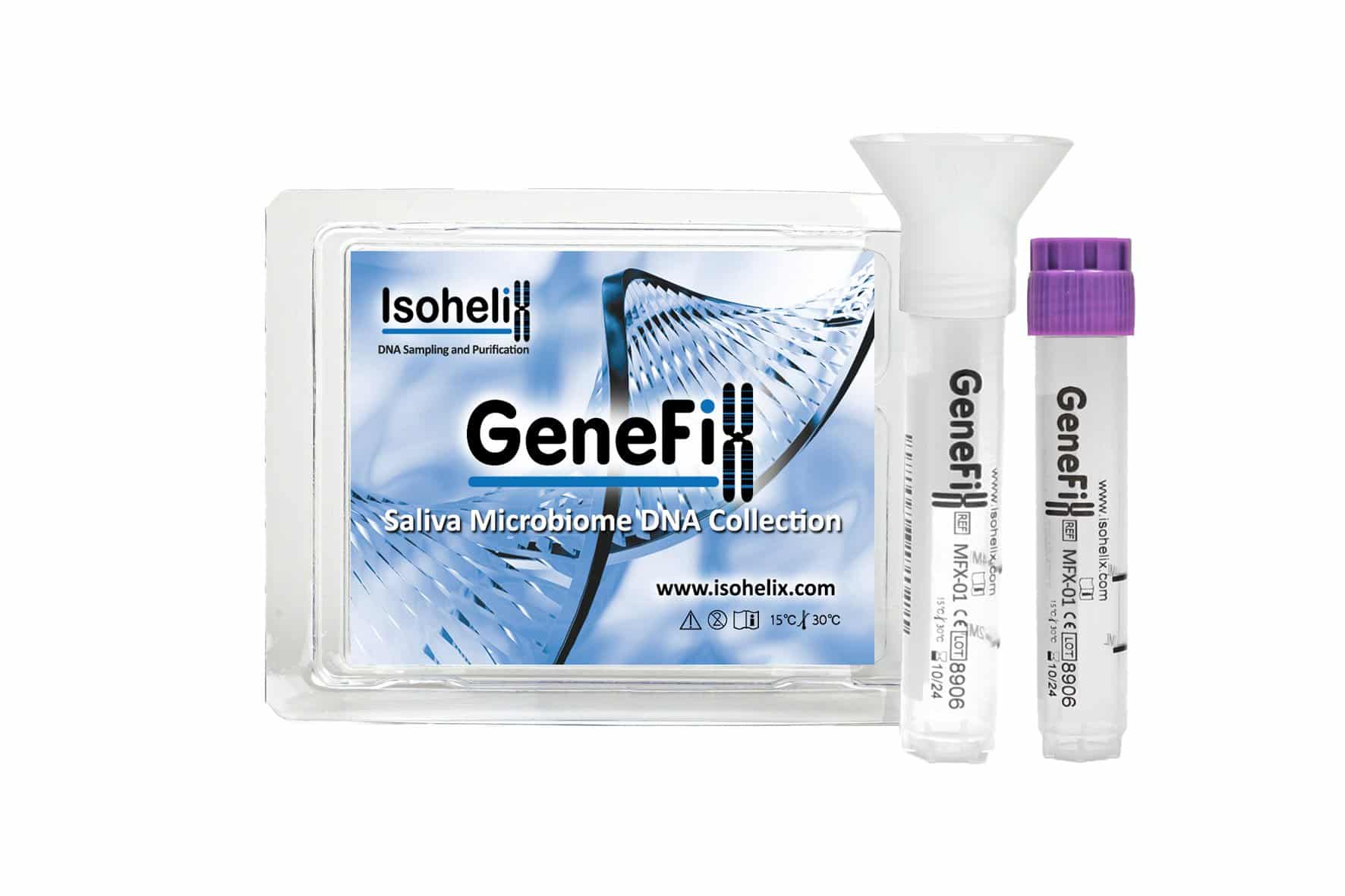
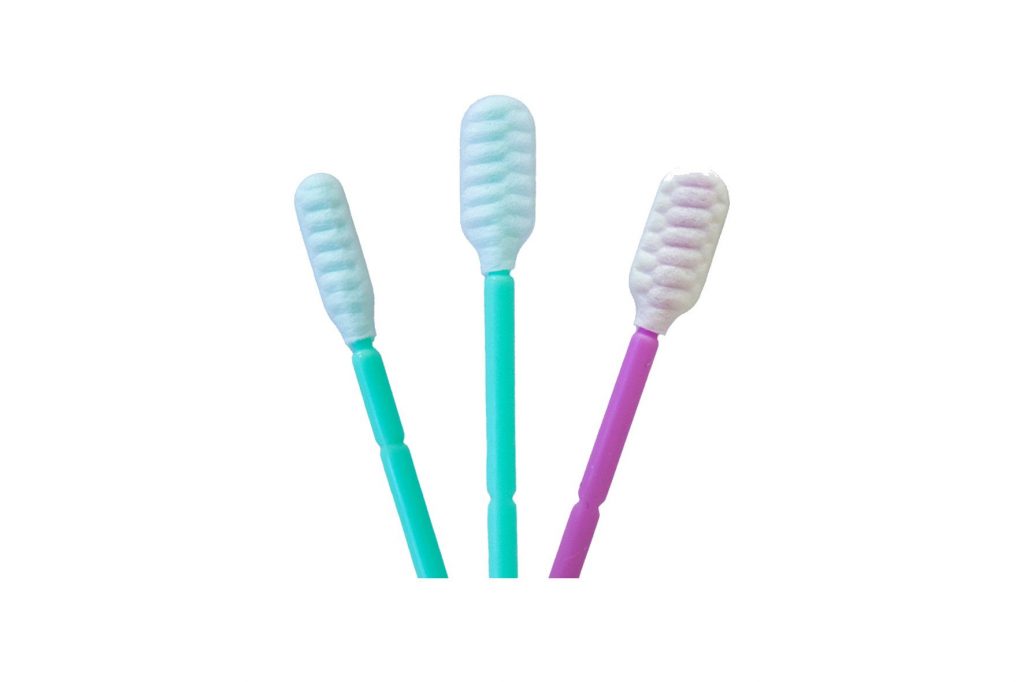
The oral cavity contains diverse microbial niches characterised by fluctuating moisture levels, enzymatic activity, and mechanical disturbance. Technically, this requires sampling systems that efficiently collect microbial biomass while preserving DNA integrity. Isohelix buccal and oral swabs provide a controlled, standardised approach for oral microbiome studies.
5. Sample Collection Is a Primary Source of Technical Variation
Inter‑operator variability, swab material composition, and sampling duration all contribute to microbiome data inconsistency. Without standardised collection devices, technical noise may exceed biological variation, particularly in multi‑centre or longitudinal studies.
Isohelix swabs are engineered to minimise variability through reproducible sampling performance and low background interference.
6. DNA Stabilisation Determines Sequencing Fidelity
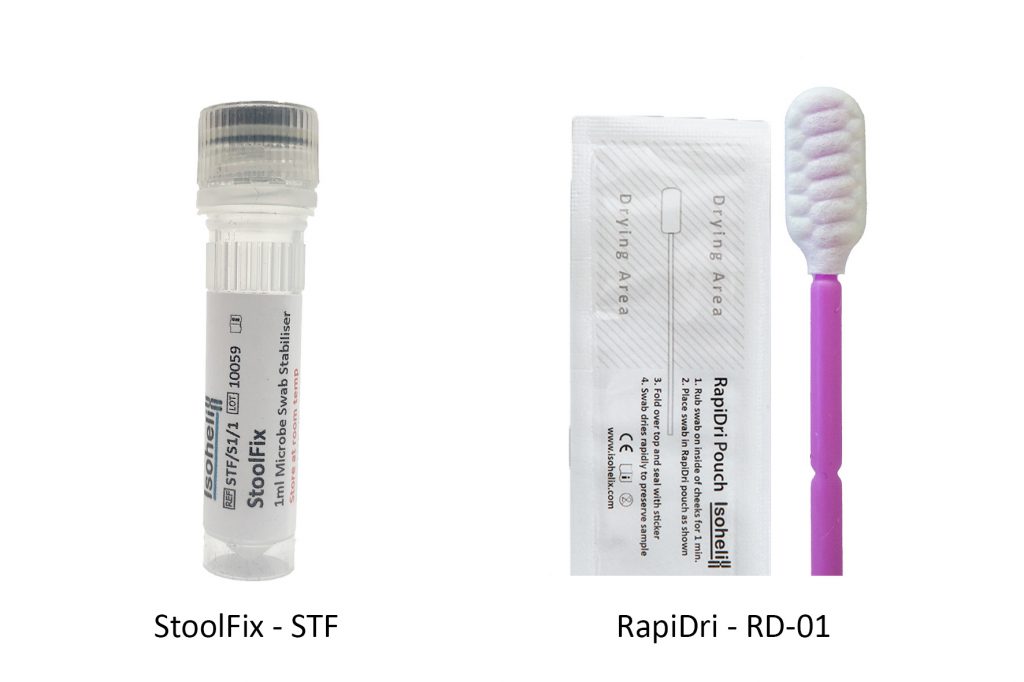
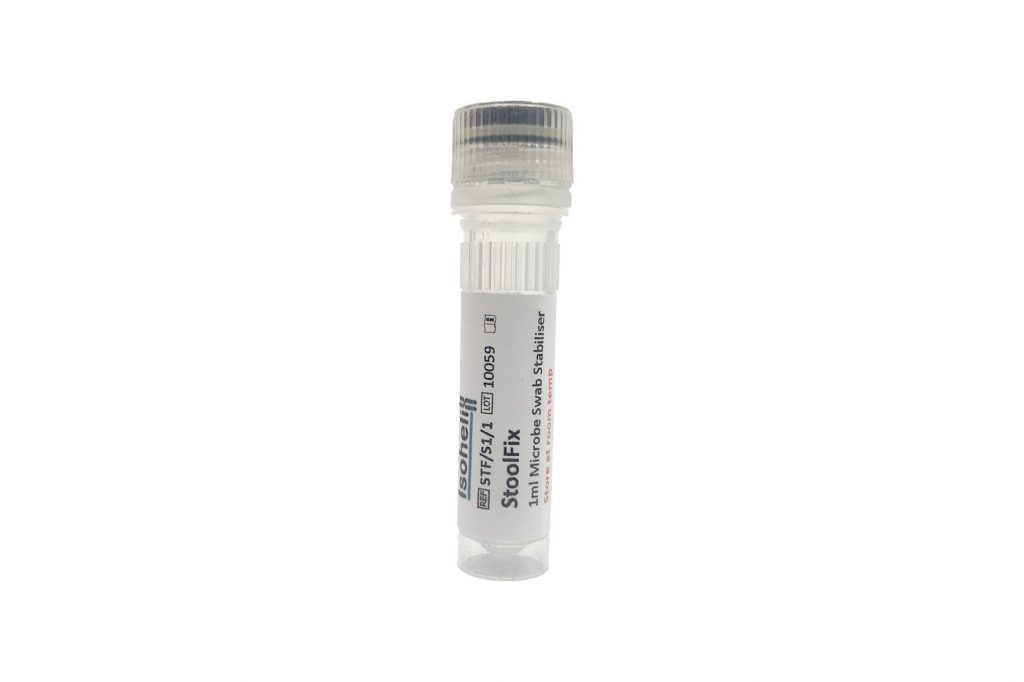
Microbial DNA degradation impacts fragment size distribution, amplification efficiency, and sequencing depth. Isohelix stabilisation approaches—including dry and chemical stabilisation—are designed to arrest biological activity, inhibit nuclease function, and protect DNA during storage and transport at ambient temperatures.
7. Extraction Efficiency Influences Taxonomic Representation
Downstream microbiome analysis depends on effective DNA extraction across diverse microbial cell types. Sampling and stabilisation methods must be compatible with extraction workflows that recover DNA from both Gram‑positive and Gram‑negative organisms to avoid taxonomic bias.
8. Microbiome Data Are Highly Workflow‑Dependent
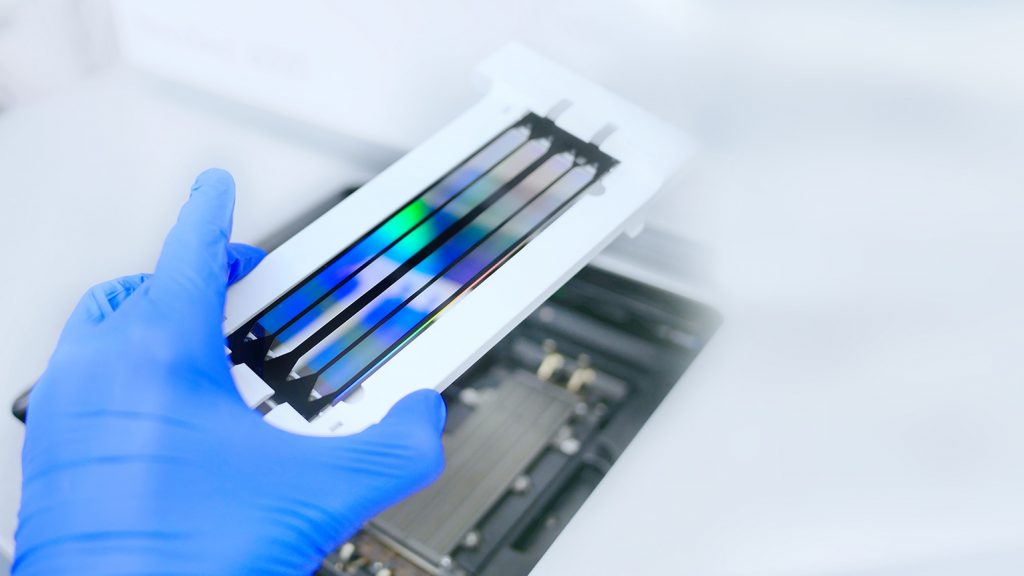
Sequencing outputs reflect cumulative effects across collection, stabilisation, extraction, and library preparation. Variation at any stage may introduce batch effects that confound biological interpretation. Integrated solutions that align upstream and downstream processes are critical for high‑confidence microbiome analysis.
9. Ambient-Temperature Stability Enables Scalable Research
Cold-chain logistics present a major limitation for large or decentralised microbiome studies. Isohelix stabilisation technologies support ambient‑temperature storage and transport, improving feasibility while maintaining molecular integrity.
10. High-Quality Sampling Enables Translational Microbiome Research
As microbiome studies move toward clinical and translational applications, technical rigour becomes increasingly important. Reliable sample collection and preservation are foundational for biomarker discovery, longitudinal monitoring, and comparative studies across populations.
Conclusion
Modern microbiome research demands more than high‑throughput sequencing—it requires precise control of pre‑analytical variables that shape data quality. Isohelix provides microbiome‑optimised collection and stabilisation technologies that preserve microbial DNA integrity, minimise technical bias, and support reproducible downstream analysis. By addressing these technical challenges at the point of collection, researchers can generate microbiome data that accurately reflect biological reality.




 Email Us
 Call Us